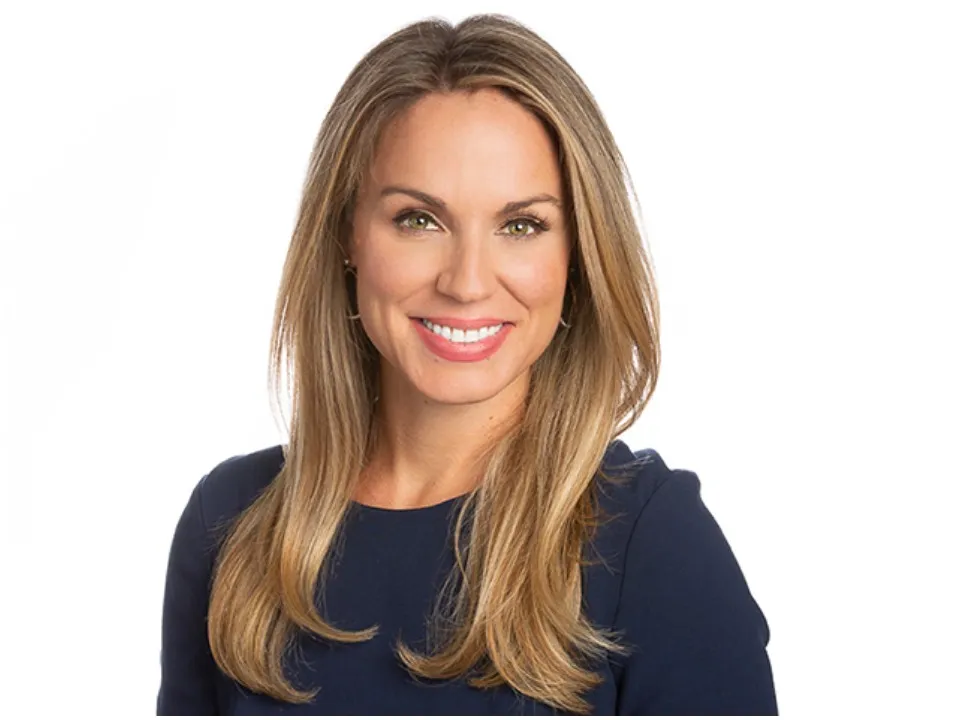
Nicole Saphier has been nominated by President Donald Trump as the next U.S. surgeon general, following the withdrawal of Casey Means amid controversies surrounding vaccine views and medical qualifications. This nomination comes at a time when public health policies are scrutinized more than ever.
Before Saphier’s nomination, the expectation was that Casey Means would take the role. However, her lack of a current medical license and her controversial stance on vaccines led to significant opposition. Critics questioned her suitability for such an influential position in health policy.
The decisive moment came when Trump announced Saphier’s appointment, effectively sidelining Means. This shift signals a preference for candidates who align more closely with the administration’s views on health issues—especially regarding vaccines. Saphier’s history includes questioning the necessity of the hepatitis B vaccine for newborns and criticizing COVID vaccine booster requirements.
For those involved, this change has immediate implications. Saphier is a breast radiologist with established credentials—serving as director of breast imaging at Memorial Sloan Kettering Cancer Center-Monmouth and holding an associate professorship at Weill Cornell Medical College. Yet her views on vaccines have stirred skepticism among public health advocates.
Key quotes:
- “Nicole is a STAR physician who has spent her career guiding women facing breast cancer through their diagnosis and treatment while tirelessly advocating to increase early cancer detection and prevention.” — Donald Trump
- “I don’t necessarily think it’s necessary [for newborns to get the hepatitis B vaccine].” — Nicole Saphier
- “The President’s recent comments on Tylenol in pregnancy are a prime example. Advising moderation was sound; delivering it in a patronizing, simplistic way was not.” — Nicole Saphier
This nomination reflects broader trends within the Trump administration—favoring candidates who express skepticism towards established health policies. As Saphier steps into this role, she brings both expertise in breast cancer treatment and a contentious perspective on vaccination that could shape public health discourse.
The landscape of public health is evolving rapidly, with figures like Saphier at the forefront of these discussions. Whether she can navigate these challenges while maintaining credibility remains uncertain, but her appointment marks a significant moment in U.S. health policy.