In 2021, Canada’s Parliament declared China’s treatment of Uyghurs in Xinjiang, including forced labour, as genocide. This declaration has set a significant precedent for how Canada engages with China on human rights issues. However, recent comments made by Liberal MP Michael Ma during a parliamentary committee hearing have raised eyebrows and sparked controversy.
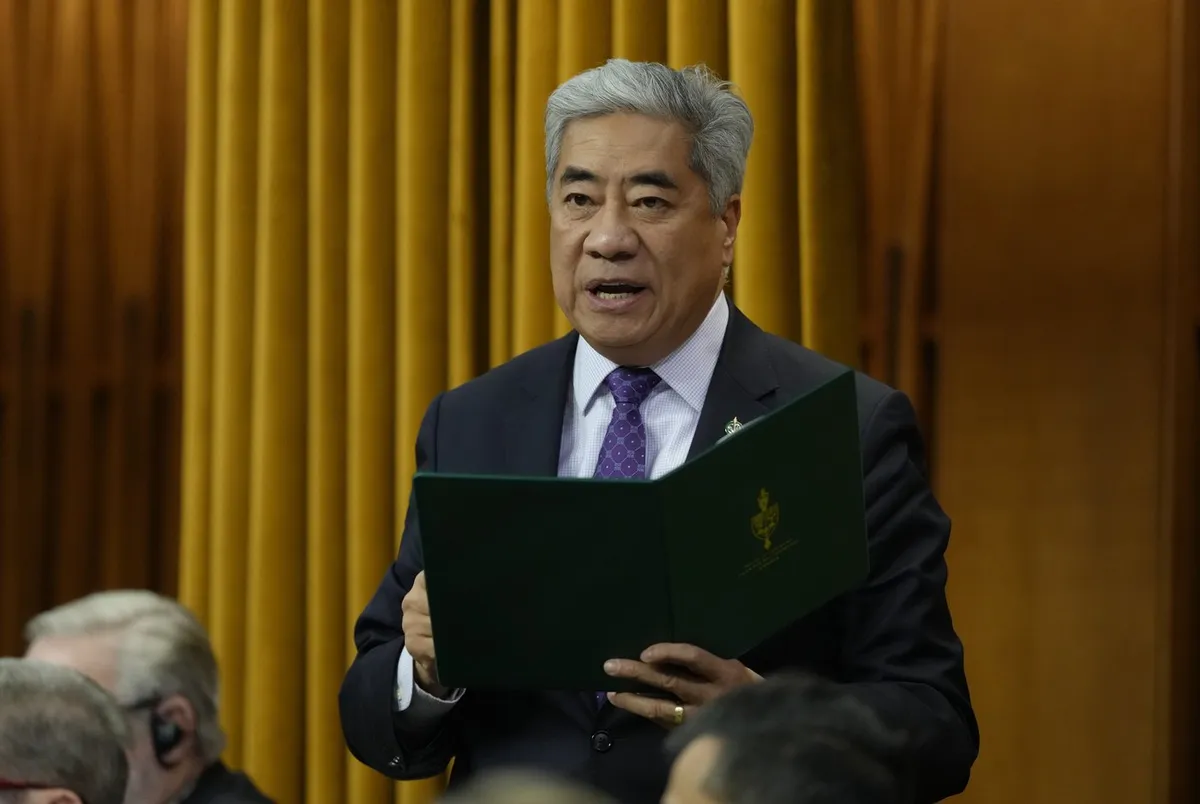
During the hearing, Ma cast doubt on the existence of forced labour in Xinjiang, questioning whether any experts had personally witnessed such practices. His remarks came as the House industry committee was examining a decision to lower Canadian restrictions on Chinese electric vehicles, a topic that has become increasingly sensitive given the backdrop of human rights concerns.
Margaret McCuaig-Johnston, who has worked closely with Human Rights Watch, responded directly to Ma’s questioning, stating, “I work closely with Human Rights Watch where researchers did witness it.” Her assertion highlights the stark divide between those advocating for human rights and those who appear to dismiss the evidence presented by experts.
Criticism of Ma’s comments did not come solely from human rights advocates. Conservative MP Michael Chong and NDP MP Jenny Kwan also expressed their disapproval. Kwan remarked, “Either he is deliberately uninformed, or he is deliberately blind to the reality,” emphasizing the gravity of the situation regarding Uyghurs in China.
In defense of his approach, Ma’s office indicated that he was employing a common tactic of asking short yes or no questions to control the dialogue. However, this rationale did little to quell the backlash, with McCuaig-Johnston labeling his question as “stupid” and suggesting that he was attempting to undermine her expertise.
Ma, who joined the Liberal Party in December 2025 after previously being affiliated with the Conservative Party, has found himself at the center of a growing debate about Canada’s stance on China and its human rights record. His questioning has raised concerns about the implications for Canadian foreign policy and the treatment of Uyghurs.
As the situation unfolds, observers are keen to see how Ma’s comments will impact discussions surrounding Canadian sanctions against China for its human rights abuses. The Canadian government has already imposed sanctions, and any perceived shift in parliamentary sentiment could influence future actions.
Details remain unconfirmed regarding the long-term effects of Ma’s remarks on his political career and the broader implications for Canada’s relationship with China.
In light of these developments, it is clear that the discourse surrounding human rights in China remains a contentious issue within Canadian politics, with significant ramifications for both domestic and international relations.