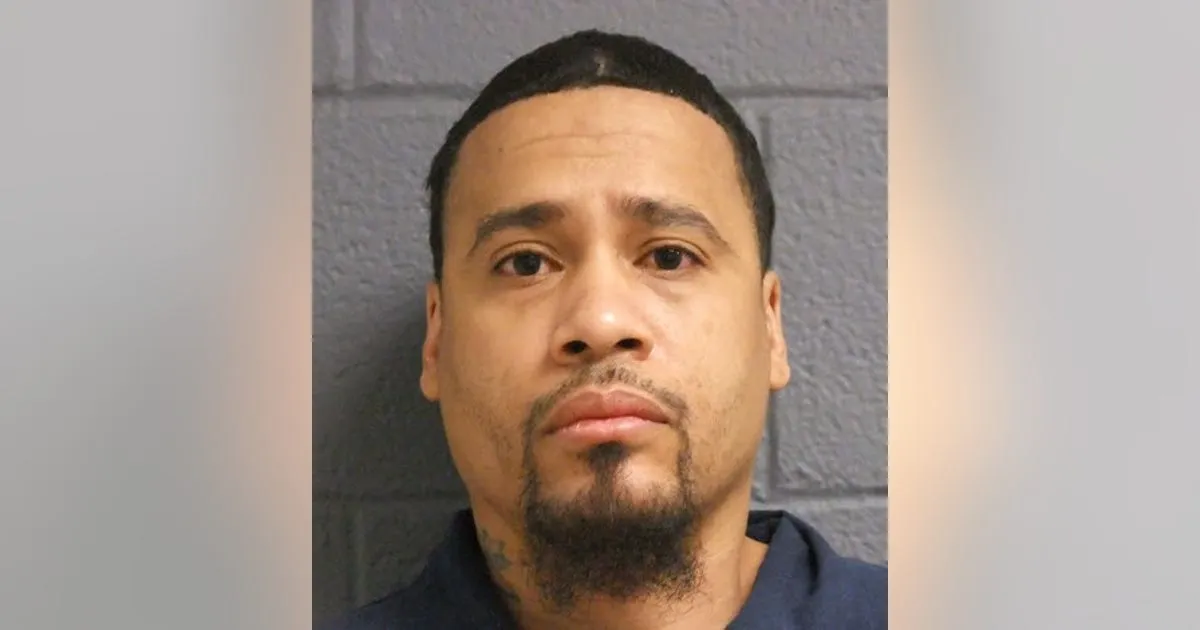
Before the tragic events of March 26, 2026, expectations surrounding Jarvis Butts were grim yet straightforward. Convicted of second-degree murder for the death of 13-year-old Na’Ziyah Harris, Butts had been sentenced to 35 to 60 years in prison. His plea deal, which included multiple counts of sexual assault against five girls aged 4 to 13, was seen as a necessary step toward justice for the victims and their families.
However, the situation took a decisive turn when Butts was found dead in his prison cell just one week after his sentencing. Initial reports indicate that he died from an apparent suicide, a shocking development that has left many grappling with the implications of his actions and the justice system’s response.
The immediate effects of Butts’ death reverberate through the community and the families involved. Na’Ziyah’s family, already devastated by her loss, now faces the additional trauma of unresolved questions surrounding her murder. “I feel like justice hasn’t been served,” lamented Tamara Liberty Smith, reflecting the sentiments of many who sought closure through Butts’ conviction.
Experts note that the plea agreement was intended to provide some semblance of closure for Na’Ziyah’s family. Kym Worthy, a prominent prosecutor, emphasized that one of the most important aspects of the deal was to give the family answers regarding Na’Ziyah’s whereabouts, as Butts was required to disclose the location of her body. Unfortunately, her remains have yet to be found.
As the Michigan State Police investigate Butts’ death, questions linger about the conditions within the Michigan Department of Corrections. Jenni Riehle, a spokesperson for the MDOC, confirmed that staff provided life-saving measures that were ultimately unsuccessful. This raises concerns about the mental health resources available to inmates, particularly those with histories of violent crime.
Butts, who was 43 at the time of his death, had a history of predatory behavior, as highlighted by Marketta Harris, who described him as a “serial habitual predator.” This characterization adds a layer of complexity to the narrative, suggesting that the justice system may have failed to adequately address the risks posed by individuals like Butts.
Details remain unconfirmed regarding the exact circumstances of Butts’ death, and the investigation continues. Meanwhile, the location of Na’Ziyah Harris’ body remains a haunting mystery, leaving her family and the community in a state of unresolved grief.
The tragic end of Jarvis Butts not only closes a chapter on a deeply disturbing case but also opens up broader discussions about justice, mental health in prisons, and the ongoing search for closure in the face of unspeakable loss.