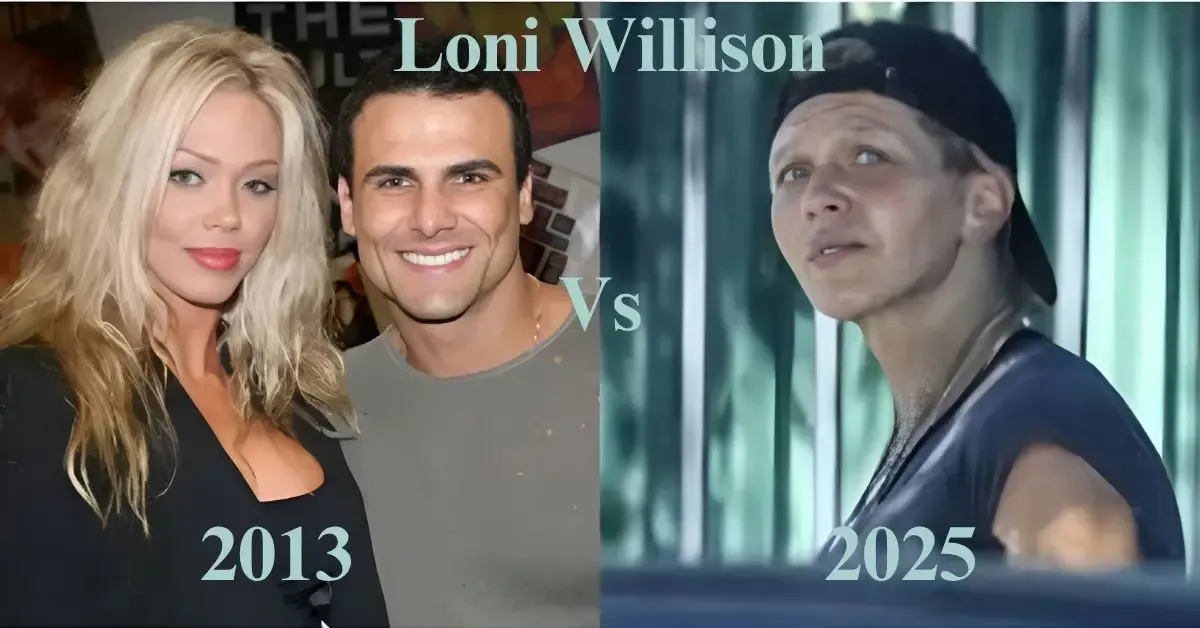
Loni Willison’s tragic fall from a multi-millionaire fitness model to living homeless on the streets of Los Angeles underscores the devastating impact of untreated mental illness and substance abuse. As of April 30, 2026, she struggles with severe challenges after her life took a downward turn.
Once valued at $1.6 million, Loni’s decline began following her 2014 divorce from actor Jeremy Jackson, which was marred by domestic violence and alcohol abuse. This tumultuous period marked the start of a downward spiral that led to her current situation.
Key events in her decline:
- 2014: Divorce from Jeremy Jackson, characterized by domestic violence.
- 2016: Lost her job at a Beverly Hills cosmetic surgery clinic.
- 2016: Became homeless after facing eviction.
Her struggles are compounded by untreated mental illness, specifically crystal methamphetamine addiction. Loni experiences delusions about electrical torture—an issue that makes indoor environments psychologically intolerable for her. This has driven her to refuse offers of rehabilitation and housing from friends and professionals.
Kristin Rossettin, a friend, expressed concern: “Loni desperately needs our help; she needs to be off the street and in care. It makes me very sad, but you can’t force someone to accept your help; they have to want to help themselves.” This statement encapsulates the heartbreaking reality faced by many in similar situations.
Loni has developed survival strategies for living outdoors, including scavenging for food and belongings. She intentionally maintains a dirty appearance as a protective measure against potential predators. “I get robbed all the time. People take my stuff. I basically make myself as dirty as possible so that no one attacks me,” she explained.
Her situation highlights broader issues regarding the lack of social safety nets for domestic abuse survivors and those battling addiction. The absence of adequate rehabilitation services in Los Angeles exacerbates these problems, leaving individuals like Loni vulnerable.
While there is hope for change, officials have not confirmed any immediate plans for intervention or support tailored to her needs. As Loni continues living on the streets since 2016, the question remains—what will it take for society to address these critical issues effectively?