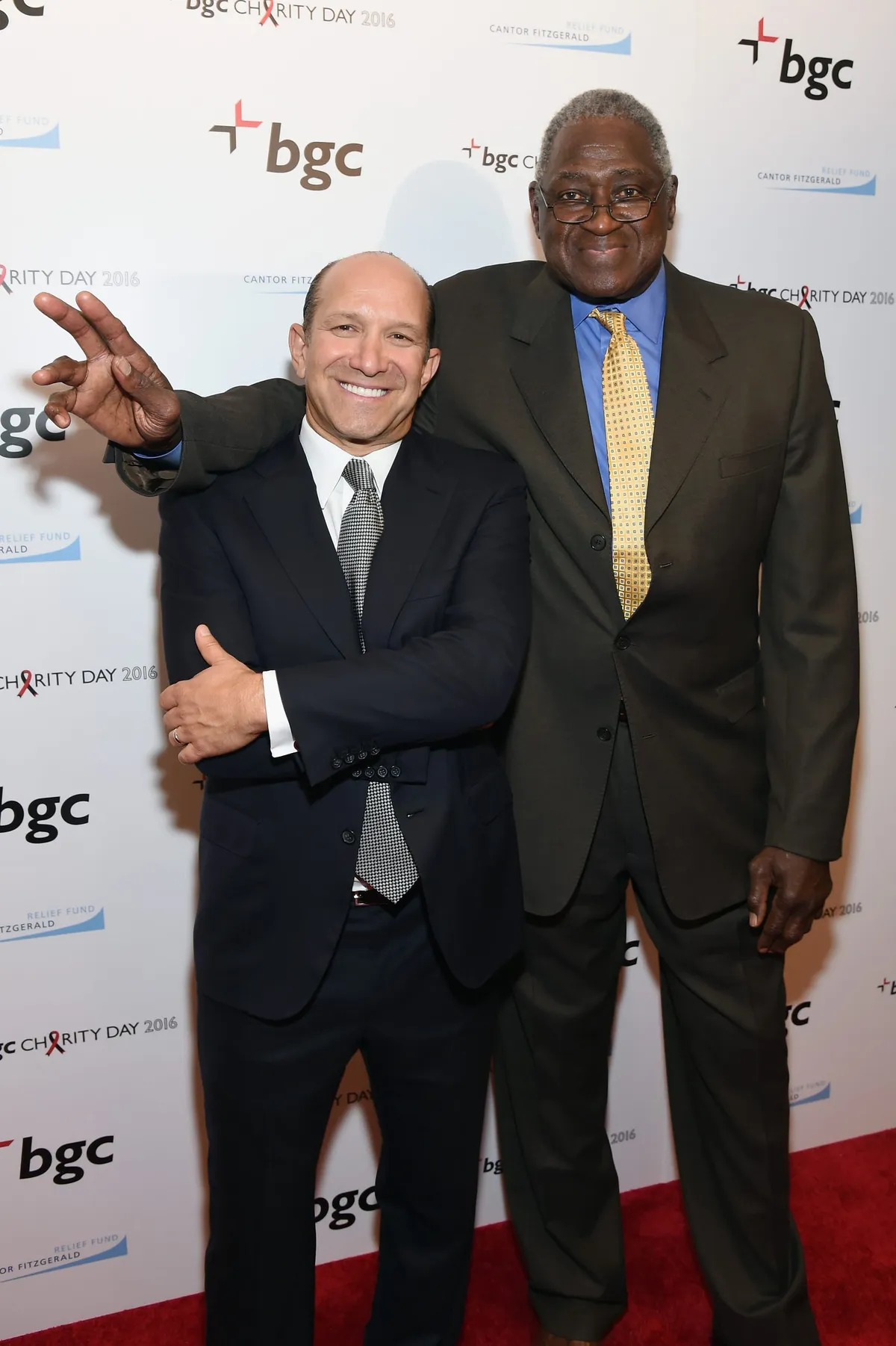
Before Howard Lutnick stepped onto the political stage, expectations surrounding U.S. trade policy were largely shaped by established norms. CUSMA—an agreement designed to bolster trade relations with Canada and Mexico—was seen as a significant improvement over NAFTA. It was intended to create a balanced framework that would benefit all parties involved. Yet, this perception was largely unchallenged until Lutnick, a billionaire businessman with no prior political experience, was appointed as U.S. Commerce Secretary by Donald Trump.
Then came the decisive moment. Lutnick publicly criticized CUSMA, suggesting it may need reworking before its renewal. His assertion that Trump views the agreement as ‘a bad deal’ raised eyebrows across the political spectrum. This stark departure from previous administrations’ approaches sent ripples through Washington, D.C., and beyond.
The immediate effects of Lutnick’s comments have been palpable. His critique of the agreement’s impact on the U.S. auto industry has resonated with various stakeholders—from automakers to labor unions—who have long felt the pressures of international competition. When he claimed that Canada ‘sucks off of’ the U.S. economy, it was more than just a provocative statement; it was an invitation for deeper scrutiny of trade dynamics.
Experts have begun to weigh in on this shift in tone and strategy. Economists are debating whether Lutnick’s aggressive stance could lead to renegotiations that might better serve U.S. interests or if it risks alienating crucial trading partners like Canada and Mexico. The stakes are high; after all, the U.S. economy stands at a staggering $30 trillion.
But it’s not just about numbers; it’s about strategy and perception as well. Lutnick has openly criticized Canada’s trade policies, particularly its agreement with China, labeling it as ‘the worst strategy I’ve ever heard.’ This raises questions about how such remarks will influence future negotiations and relationships in North America.
The contrast between Lutnick’s brash approach and traditional diplomatic niceties is striking. His willingness to speak candidly—often bluntly—could either invigorate discussions or sow discord among allies. The potential for a new era in trade policy is palpable, but so too are the risks involved.
As Lutnick continues to navigate his role within an unpredictable administration, observers are left wondering how this will play out in practical terms. Will his critiques lead to substantive changes that benefit American workers? Or will they merely create further tension with key allies? Details remain unconfirmed.
In this evolving landscape, one thing is clear: Howard Lutnick is not afraid to challenge established norms—and his influence could reshape the future of U.S. trade policy significantly.