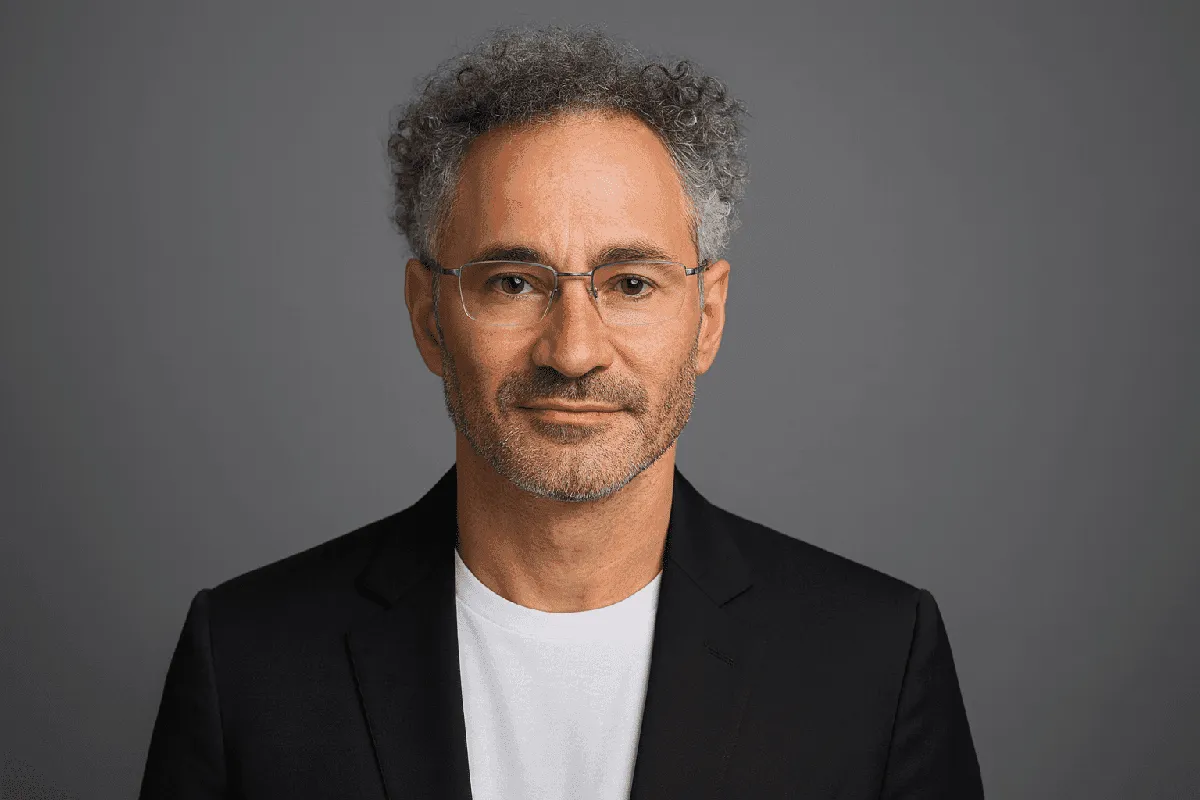
As the world grapples with the rapid advancement of artificial intelligence, Alex Karp, the 58-year-old CEO of Palantir Technologies, has been vocal about the dual pathways to securing a future in this evolving landscape. Just before a recent downturn in Palantir’s stock, Karp emphasized the importance of vocational training and the unique perspectives offered by neurodivergent individuals.
On a notable occasion, Karp stated, “There are basically two ways to know you have a future,” highlighting his belief that skilled trades, such as electricians and plumbers, are increasingly seen as “AI-proof” careers. This perspective resonates in an age where many professionals face uncertainty regarding job security due to AI advancements.
However, the market’s reaction to Karp’s leadership has been mixed. Following bearish comments from investor Michael Burry, who claimed that Palantir is heavily reliant on government contracts and that “Anthropic is eating $PLTR Palantir’s lunch,” the company’s shares experienced a significant drop. Specifically, Palantir shares fell by 6.2% after Burry’s remarks, and another 7% the following day, reflecting investor concerns about the company’s future.
Karp’s insights into neurodiversity are particularly intriguing. He argues that neurodivergent individuals often possess a unique, non-linear way of thinking that can provide value beyond what AI can replicate. This assertion not only underscores Karp’s personal connection to the topic—having openly discussed his own dyslexia—but also positions Palantir as a company that values diverse cognitive approaches.
Currently, Palantir is navigating a challenging market environment, with its stock price under pressure and competition from emerging players like Anthropic. The company’s reliance on government contracts raises questions about its long-term sustainability, especially in light of Burry’s critiques.
The sequence of events surrounding Karp and Palantir is significant for both the company and its stakeholders. Investors are closely monitoring how Karp’s vision for AI and the workforce will translate into tangible results, especially as competition intensifies. Karp’s focus on vocational training and neurodiversity may offer a unique angle in the tech landscape, but it remains to be seen whether this will be enough to reassure investors in the face of market volatility.