How it unfolded
In the wake of escalating tensions between the United States and Iran, particularly following the onset of a US and Israeli war on Iran on February 28, 2026, the situation surrounding Hamideh Soleimani Afshar has drawn significant attention. Just before her arrest on April 4, 2026, the political climate was charged, with public sentiment increasingly polarized regarding individuals perceived as supporters of the Iranian regime.
Hamideh Soleimani Afshar, the niece of the late Iranian General Qassem Soleimani, had been living in Los Angeles, California, where she was described as leading a “lavish lifestyle.” Her status as a permanent resident was revoked by the US government, a decision that was heavily influenced by her outspoken support for Iran. The US State Department accused her of being an “outspoken supporter” of the Iranian regime, a label that carries significant weight in the current political climate.
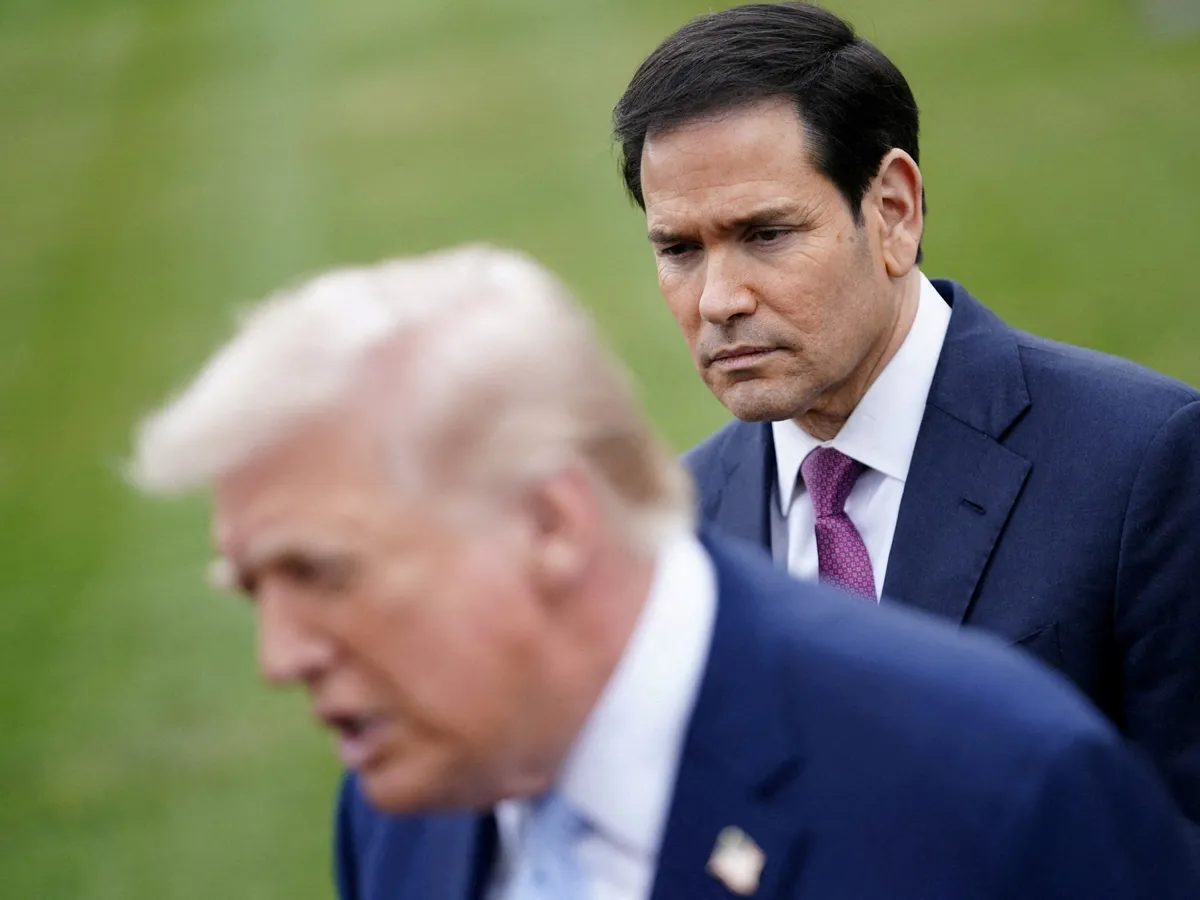
The arrests of Soleimani Afshar and her daughter by US federal agents were part of a broader crackdown on individuals linked to Iranian leadership. Marco Rubio, a prominent US senator, publicly stated that he terminated their legal status due to her comments that celebrated attacks on Americans and referred to the US as the “Great Satan.” This characterization of Soleimani Afshar as a threat to national security reflects a growing intolerance for perceived anti-American sentiments.
Public pressure played a crucial role in this sequence of events. Prior to the arrests, a petition demanding Soleimani Afshar’s deportation garnered over 4,000 signatures, illustrating the extent of public sentiment against her. This was not an isolated incident; similar actions have been taken against other relatives of Iranian leaders, indicating a systematic approach by the US government to distance itself from individuals associated with the Iranian regime.
As the war on Iran entered its fifth week, the implications of Soleimani Afshar’s arrest extend beyond her personal circumstances. Her husband has also been barred from entering the US, further complicating the family’s situation. The arrests have sparked discussions about immigration policies and the extent to which the US government will go to enforce its stance against foreign nationals who are seen as supportive of regimes that oppose American interests.
Zeinab Soleimani, Hamideh’s daughter, has vehemently denied any ties between her mother and the late Qassem Soleimani, asserting that the claims made by the US State Department are false. This denial underscores the complexities of familial connections in the context of international politics, where the legacy of Qassem Soleimani continues to loom large over his relatives.
The ramifications of these events are significant for those involved, particularly as they reflect broader geopolitical tensions. The US government’s actions against Soleimani Afshar and her daughter signal a willingness to take decisive action against individuals perceived as threats, even if they are family members of high-profile figures. This case serves as a stark reminder of the intertwining of personal lives and international relations, where the fallout from political decisions can have profound personal consequences.
As the situation develops, the ongoing scrutiny of individuals linked to the Iranian regime will likely continue, raising questions about the balance between national security and individual rights. The case of Hamideh Soleimani Afshar exemplifies the complexities of immigration policy in a time of heightened geopolitical tensions, and it remains to be seen how these dynamics will evolve in the coming months.