Reaction from the field
The upcoming Gudi Padwa on March 19, 2026, is poised to have a significant impact on the cultural and economic landscape of Maharashtra, India. As the festival marks the beginning of the Hindu New Year for the Marathi and Konkani communities, it symbolizes new beginnings, prosperity, and hope. The celebrations are expected to invigorate local economies, particularly in the real estate sector, as homebuyer sentiment remains strong during this festive period.
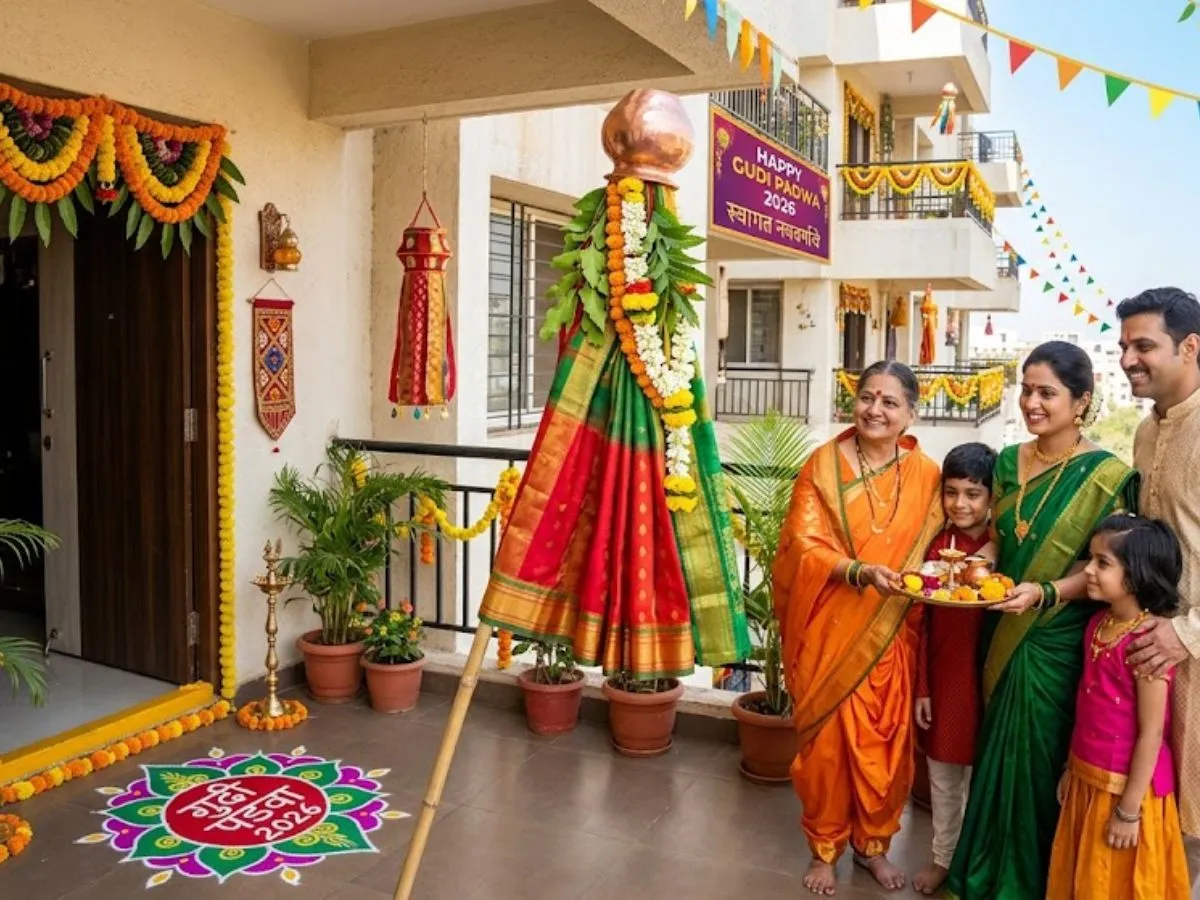
The Pratipada Tithi, which begins at 06:52 AM on March 19 and ends at 04:52 AM on March 20, is a time when families engage in various rituals, including hoisting the Gudi—a decorated bamboo stick topped with an inverted pot. This act is not merely ceremonial; it represents the victory of good over evil, echoing the historical significance of Lord Rama’s return to Ayodhya. Such traditions are deeply rooted in both mythology and history, with Gudi Padwa believed to have been celebrated as a harvest festival during ancient times.
In preparation for the festival, homes are cleaned and adorned with vibrant rangoli designs, creating a festive atmosphere. Special foods are prepared, and the day is marked by family gatherings and community celebrations. The festival also coincides with the first day of Chaitra Navratri, further enhancing its cultural significance. As a result, banks in Maharashtra will be closed on March 19, 2026, allowing citizens to partake in the festivities without the distraction of daily obligations.
Real estate developers are keenly aware of the festival’s potential to boost market activity. Parag Munot, a local real estate expert, noted that “homebuyer sentiment remains strong this Gudi Padwa, marking a positive start to the festive season.” This year, developers are shifting their focus from traditional freebies to offering “real” value-add incentives, indicating a more strategic approach to attracting buyers. Ritesh Mehta commented, “The market is seeing activity, but not urgency,” suggesting a cautious optimism among potential homebuyers.
The festival’s historical roots are significant, tracing back to the Yadava dynasty and King Shalivahan, who is credited with establishing the Marathi Shaka Samvat year in 1948. This historical context adds layers of meaning to the celebrations, as communities reflect on their heritage while looking forward to the future. The Gudi Padwa festival is not just a celebration of the new year but also a reaffirmation of cultural identity and continuity.
As the festival approaches, preparations are in full swing, with families eagerly anticipating the rituals and celebrations that define Gudi Padwa. The Gudi itself, made by tying a colored silk cloth to a bamboo stick with an inverted pot on top, serves as a symbol of hope and renewal. This year, the festival is expected to draw significant attention, both locally and from those observing from afar, as it encapsulates the spirit of resilience and community.
Details remain unconfirmed regarding the full extent of economic impacts resulting from the celebrations, but the anticipation surrounding Gudi Padwa 2026 is palpable. As Maharashtra gears up for this vibrant festival, the intertwining of tradition and modernity is evident, showcasing how cultural heritage continues to shape contemporary life. The coming days will reveal how this year’s celebrations will unfold and what new traditions may emerge as communities come together to celebrate their shared history and aspirations.