Reaction from the field
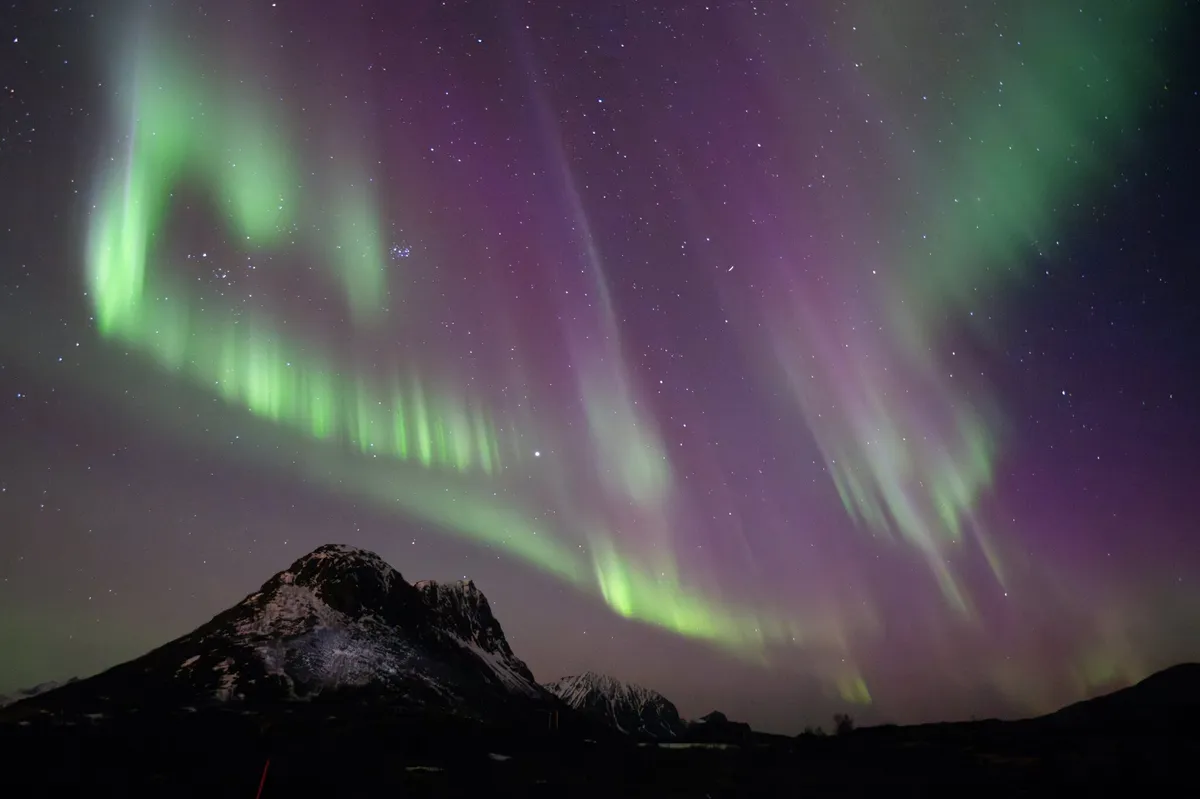
The upcoming aurora borealis forecast is generating excitement among skywatchers in Iowa, as a G2 (Moderate) geomagnetic storm is expected to illuminate the night sky on March 18-19, 2026. This event could allow residents in approximately 20 U.S. states to catch a glimpse of the northern lights, a phenomenon that captivates both the scientific community and the general public alike.
The auroras are caused by the sun’s interaction with the Earth’s atmosphere, resulting in stunning displays of light. The geomagnetic storm is anticipated to begin on March 18 and last until March 19, coinciding with the spring equinox on March 20, which is known to enhance auroral activity. This timing suggests that the northern lights may be particularly vibrant during this period, making it an opportune moment for enthusiasts and casual observers.
In Iowa, the best viewing times for the aurora are expected to be between 10 p.m. and 2 a.m. local time. However, the visibility of the northern lights in the state is contingent on weather conditions. By 10 p.m. on March 18, forecasts indicate that much of Iowa will experience 60-85% cloud cover, which could significantly obstruct the view of the auroras. As the night progresses, particularly in western and southwestern Iowa, cloud cover may decrease to 40-50% by 1 a.m. on March 19, potentially improving visibility.
Despite the challenges posed by cloud cover, the likelihood of observing the aurora increases as one travels farther north in Iowa. This geographic factor could play a crucial role for those determined to witness this celestial spectacle. The phenomenon will be viewable beginning in the late-night hours of March 18 into the early morning of March 19, offering a narrow window for observation.
Local meteorologists and enthusiasts are closely monitoring the situation, hoping for a break in the clouds that would allow for a clearer view of the northern lights. The excitement is palpable, as many residents are preparing for a night of stargazing, equipped with cameras and warm clothing to capture the moment.
As the date approaches, the community is buzzing with anticipation, and social media platforms are likely to be filled with updates and images from those who venture out to see the auroras. However, details remain unconfirmed regarding the exact visibility of the northern lights in Iowa, as the weather can be unpredictable. Observers are advised to stay informed through local forecasts and updates from NOAA, which monitors geomagnetic activity.
In summary, the aurora borealis forecast for March 18-19, 2026, presents a unique opportunity for Iowans to witness one of nature’s most breathtaking displays. While the potential for cloud cover poses a challenge, the excitement surrounding this event underscores the enduring fascination with the northern lights and their ability to inspire awe and wonder among those fortunate enough to witness them.