How it unfolded
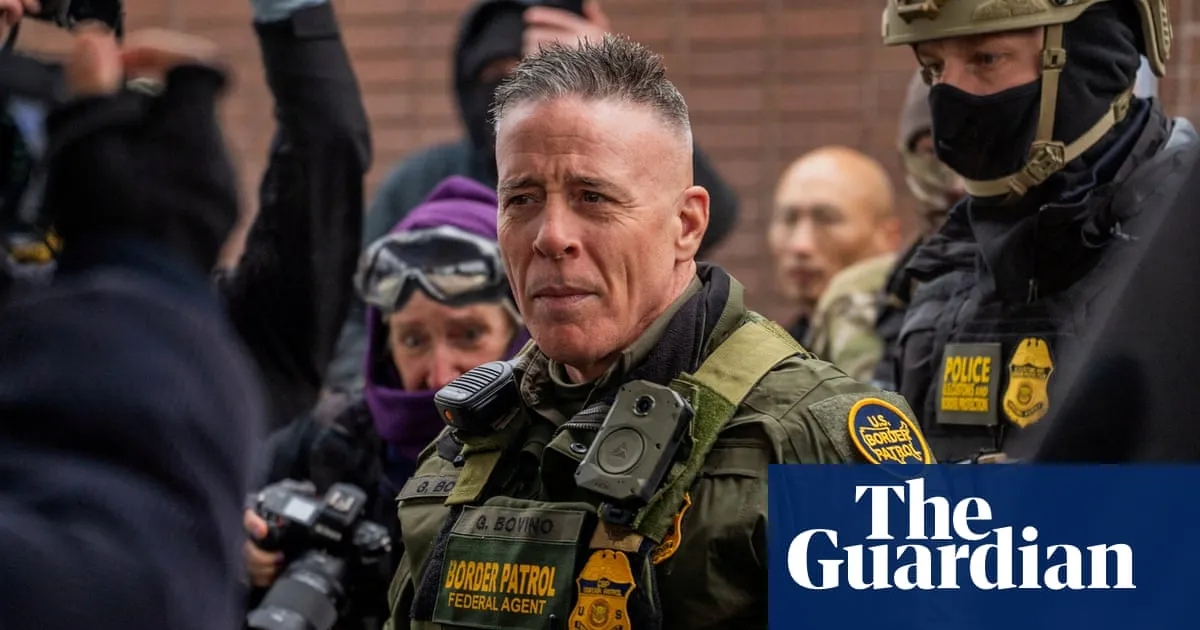
As the sun set on March 24, 2026, Gregory Bovino, the former commander-at-large of the US Border Patrol, announced his retirement, a decision that came amid a backdrop of controversy and scrutiny. Bovino, who had spent 30 years with the Border Patrol, primarily in California’s El Centro sector, was known for his hard-line views on immigration and aggressive enforcement tactics. His tenure was marked by a commitment to the Trump administration’s mass deportation campaign, a strategy that sought to deport millions of undocumented immigrants.
In the months leading up to his retirement, Bovino’s leadership faced increasing criticism, particularly following a tragic incident in January 2026, when two US citizens were killed by federal agents during operations under his command. This incident not only raised questions about the tactics employed by the Border Patrol but also placed Bovino under investigation for his actions during a controversial operation in Minnesota.
Despite the growing backlash, Bovino remained unapologetic about his approach to immigration enforcement. He expressed a desire to have deported more illegal aliens, stating, “I wish I’d caught even more illegal aliens.” His aggressive stance was encapsulated in his remarks about border control, where he declared, “We wanted total border domination,” and emphasized a philosophy of domination over mere control.
Throughout his career, Bovino’s tactics included high-speed operations and a willingness to use aggressive measures, which he believed were necessary to achieve his goals. His controversial methods and the language he used, including derogatory terms for undocumented immigrants in legal documents, drew ire from various advocacy groups, including the American Civil Liberties Union.
As Bovino prepared for retirement, he indicated plans to focus on environmental issues, specifically addressing non-native invasive species in North Carolina. However, it is essential to note that his departure was not entirely voluntary; it came amid ongoing internal investigations regarding his conduct and the operational decisions made during his tenure.
In the wake of his retirement announcement, reactions varied widely. Supporters praised his commitment to strict immigration enforcement, while critics condemned his methods and the consequences of his leadership. Bovino’s legacy will likely be debated for years to come, as the implications of his tenure continue to resonate within the broader context of US immigration policy.
As the Border Patrol moves forward without Bovino, the agency faces the challenge of redefining its approach to immigration enforcement in a landscape that is increasingly scrutinized by both the public and lawmakers. The future of the agency may hinge on how it addresses the controversies of the past while navigating the complex realities of immigration in America.