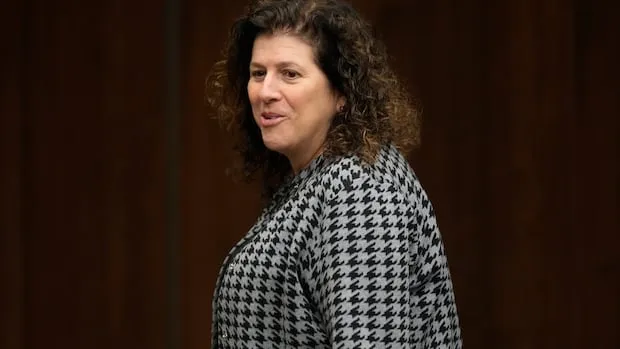
What does the trial of Arielle Konig reveal about the alarming realities of domestic violence? The ongoing case against her husband, Gerhardt Konig, charged with second-degree attempted murder, underscores a harrowing narrative of abuse and its potential repercussions for medical institutions.
On March 24, 2025, at Pali Lookout in Hawaii, Arielle Konig testified that her husband struck her head approximately 10 times with a rock. This chilling account was corroborated by two witnesses who heard her screams for help during the attack. Following the incident, Arielle filed for divorce and secured a restraining order against Gerhardt.
In a gripping courtroom scene, Arielle recounted the moment of terror, stating, “He’s trying to kill me.” She described how she fought back against Gerhardt, clinging to vegetation to prevent herself from being pushed over the cliff. During the assault, she noted seeing him take two syringes from his bag, raising further concerns about his intentions.
The trial commenced on March 19, 2026, and has already included graphic body camera footage of Arielle after the attack, which was shown to jurors. Her testimony emphasized that she viewed the incident as an attack rather than a mere scuffle, a distinction that could significantly influence the jury’s perception.
Gerhardt Konig, an anesthesiologist at Maui Health, was suspended from his position following his arrest. The implications of this case extend beyond personal tragedy, touching on broader discussions surrounding hospital liability and insurance, particularly in cases involving medical professionals accused of violent crimes.
Arielle’s testimony may have lasting effects on how such cases are handled in the future, especially regarding the responsibilities of healthcare institutions in safeguarding patients and staff from potential threats. As the trial unfolds, the legal and ethical ramifications will likely be scrutinized.
Details remain unconfirmed regarding the full background of the incident and its impact on the Konig family. However, the case has already sparked conversations about domestic violence awareness and the need for systemic change in how such matters are addressed.
As the trial progresses, the community watches closely, hoping for justice while grappling with the unsettling realities of domestic violence that often remain hidden behind closed doors.