Reaction from the field
The celebration of Easter is not merely a religious observance; it has become a cultural phenomenon that intertwines sacred beliefs with festive customs. The most significant consequence of this evolution is the way Easter traditions have adapted over nearly 2000 years, reflecting both the resilience of communities and the changing dynamics of society. As families gather to commemorate the resurrection of Jesus Christ, they also partake in various customs that have become synonymous with the holiday, such as the consumption of hot cross buns and the whimsical presence of the Easter Bunny.
Historically, Easter’s roots can be traced back to early Christianity, where the resurrection of Jesus served as the cornerstone of faith. However, as the centuries progressed, various traditions emerged, each contributing to the rich tapestry of Easter celebrations. Hot cross buns, for instance, have been a staple since at least the 12th century, traditionally eaten on Good Friday, symbolizing the end of Lent. The cross on the bun serves as a reminder of the crucifixion, while the sweet spices within evoke the joy of resurrection.
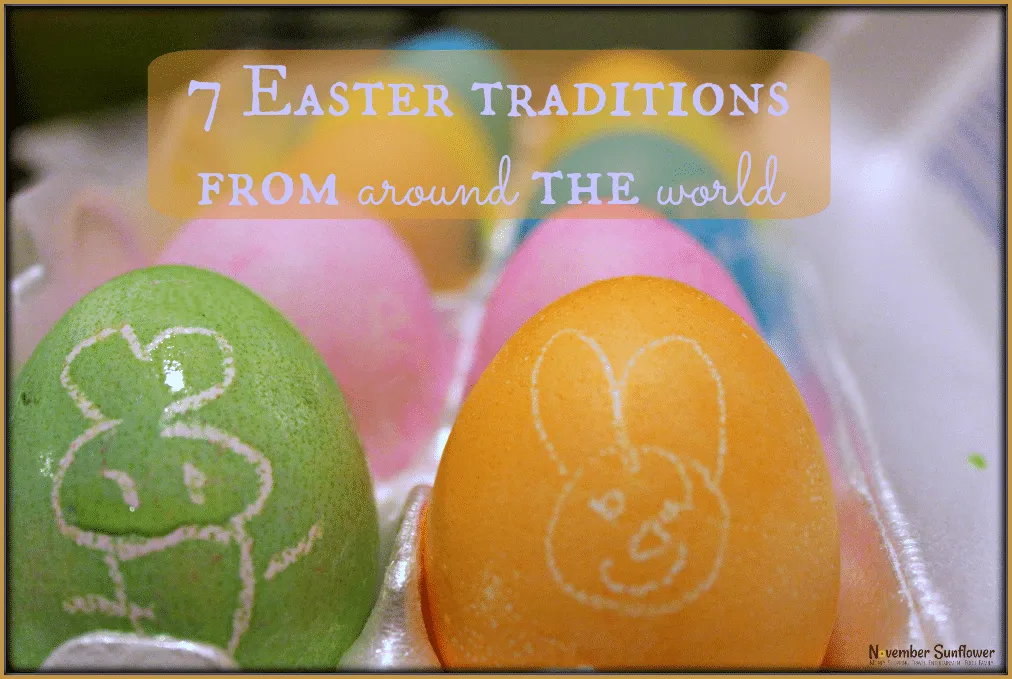
Another enduring symbol of Easter is the decorated egg, which has been part of the celebration since the early days of Christianity. These eggs represent new life and rebirth, aligning perfectly with the themes of resurrection. The tradition of Easter egg hunts, popularized in the 18th and 19th centuries, adds a playful element to the holiday, engaging children and families alike in a joyous search for hidden treasures.
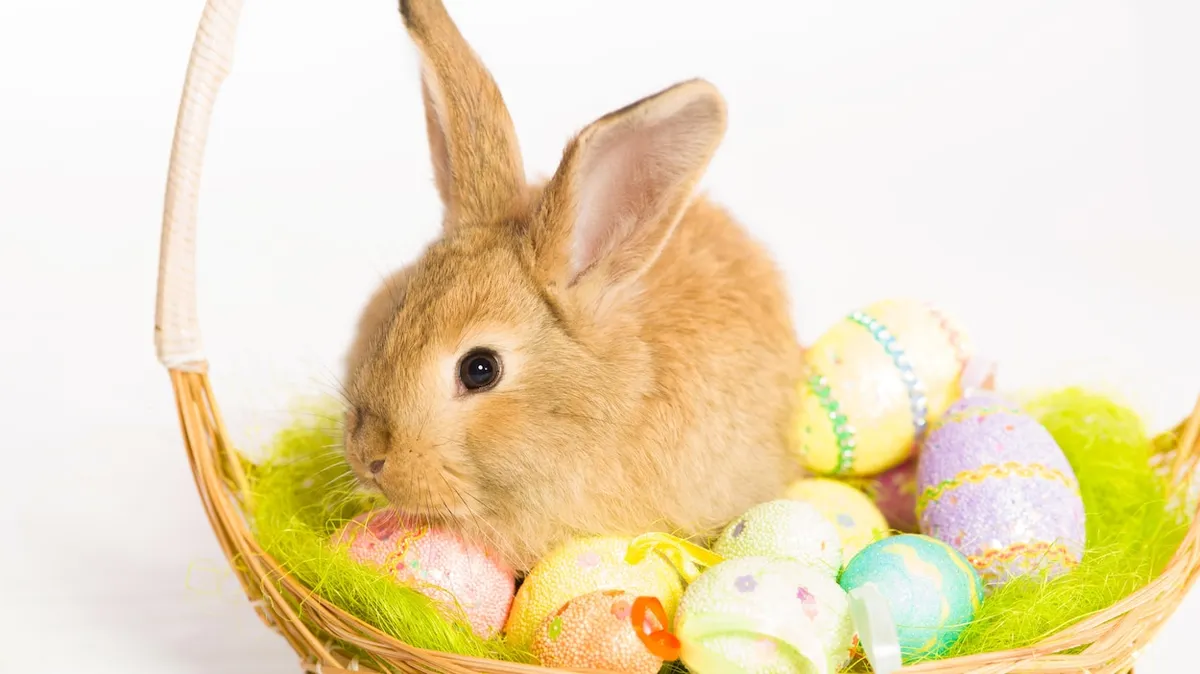
The Easter Bunny, a character that has become a beloved figure in modern celebrations, originated in 17th-century Germany as the ‘Osterhase’. This whimsical creature has evolved into a symbol of fertility and spring, further blending the sacred with the secular. The tradition of wearing Easter bonnets, which gained popularity in the 19th century, also reflects this fusion, as families dressed in their finest attire to celebrate the occasion.
Food plays a central role in Easter traditions, with families often gathering for a festive meal featuring ham or lamb. In Eastern Europe, for instance, smoked and fresh kielbasa is a traditional dish, with establishments like State Meats in Parma, Ohio, catering to this custom since 1974. George Salo, a representative of the deli, aptly describes Easter as “our Superbowl,” highlighting the significance of this culinary tradition. The meticulous preparation of kielbasa, which involves smoking the meat for 3-6 hours and then cooling it in cold water for 10 minutes, showcases the dedication to maintaining these cultural practices.
Despite the challenges faced by communities around the world, such as those in south Lebanon, the spirit of Easter traditions remains unbroken. Displaced residents continue to celebrate their customs, demonstrating resilience and a commitment to their cultural identity. As one observer noted, “The residents have made concerted efforts to maintain their customs, showcasing their resilience and commitment to their identity.” This determination to uphold traditions amid adversity speaks volumes about the significance of Easter in various cultural contexts.
As we look ahead, the future of Easter traditions remains uncertain, particularly as societal norms continue to evolve. Will the blend of sacred and secular practices endure, or will new customs emerge that redefine the celebration? Details remain unconfirmed, but the enduring legacy of Easter traditions suggests that they will continue to adapt and thrive, reflecting the diverse tapestry of human experience.