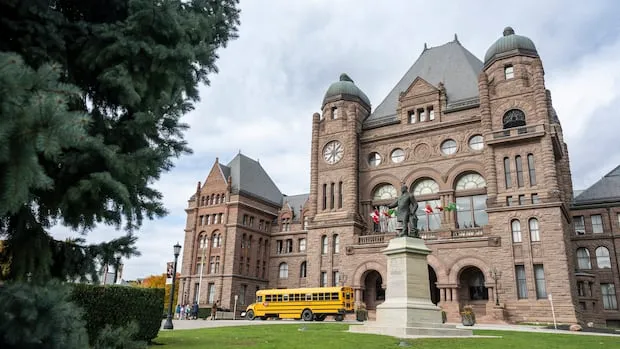
Premier Danielle Smith‘s government is facing scrutiny over a loophole that permits it to campaign for a referendum on immigration reform while circumventing advertising restrictions during election periods. This controversial move has raised eyebrows among political observers in Alberta as the province grapples with pressing issues related to immigration and resource management.
Alberta’s government is pushing for a referendum to address immigration policies, which include proposals such as charging non-permanent residents for healthcare and education. However, provincial law prohibits government advertising related to any referendum if it coincides with a general or municipal election. Critics argue that this loophole allows the government to disseminate one-sided information without the usual accountability measures.
Key facts:
- Alberta’s government advocates for changes in immigration policy through a proposed referendum.
- The federal government has recognized an Indigenous co-owned oil pipeline as a project of national interest.
- Enhanced Oil Recovery (EOR) is now eligible under Investment Tax Credits, signaling a shift in resource policy.
Avnish Nanda, a prominent critic, described the situation as “an unfair loophole” that enables the government to promote its agenda while avoiding scrutiny. He emphasized the potential consequences of framing immigration discussions in ways that could demonize immigrants. In contrast, Smith defended her government’s approach, asserting, “You shouldn’t be coming to Canada expecting that you’re going to be able to take more taxpayer-funded supports than you’re generating in revenue.” This statement reflects her administration’s stance on balancing resource allocation and immigrant contributions.
The implications of this situation extend beyond immigration reform. Alberta holds the world’s fourth-largest recoverable oil reserves—over 177 billion barrels—and recent policies aim to double oil production by 2035. The province anticipates significant economic benefits from these changes, including an additional annual GDP boost of $21 billion from pipeline construction alone.
As Alberta navigates these complex issues, observers speculate about the potential fallout from this referendum campaign. The government’s strategy may influence public perception of both immigration and energy policies, particularly during an era marked by global energy shortages exacerbated by conflicts in the Middle East. The next steps remain unclear as officials prepare for upcoming discussions surrounding these pivotal topics.