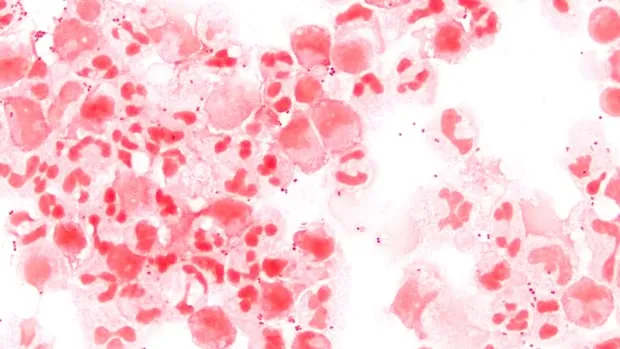
Canada is grappling with a troubling rise in cases of invasive meningococcal disease (IMD), a dangerous bacterial infection caused by the Neisseria meningitidis bacterium. Recent reports indicate that the number of cases has surged to nearly 100 in 2023, a stark increase from 74 cases in 2022 and just 48 in 2021. This alarming trend has prompted health officials to issue warnings about the potential risks, particularly for infants and young adults who are most vulnerable to severe outcomes.
In Manitoba, the situation is particularly dire, with the province experiencing an outbreak of the meningococcal W strain. Over the past three years, Manitoba has reported above-average case counts, culminating in a staggering fivefold increase in annual cases compared to previous years. In 2025 alone, there were 155 reported cases, with four fatalities among 23 cases, raising the death rate to a concerning 14 percent.
Saskatchewan has also seen a notable uptick, with annual IMD cases rising from just four in 2024 to 17 in 2025. This spike in cases across provinces highlights a broader public health challenge, as vaccination coverage for the meningococcal C vaccine has declined significantly from over 90 percent in 2019 to below 84 percent by 2024.
Public health officials stress that meningococcal disease spreads through close contact or respiratory secretions, making awareness and preventive measures crucial. Dr. Cristin Muecke emphasized the seriousness of the disease, stating, “That’s a very significant consequence and very serious disease at such a young age.” Meanwhile, Dr. Joanne Langley expressed concern over the declining vaccination rates, noting, “It’s very worrisome that our coverage rates have changed.”
The rise in IMD cases is particularly perplexing, as the reasons behind this increase remain unclear. Details remain unconfirmed regarding the specific epidemiology of the W strain in Manitoba, leaving health experts to investigate further. Jason Fryza, a resident affected by the outbreak, remarked, “Everything happened so fast,” reflecting the urgency of the situation.
As health officials continue to monitor the outbreak, they are urging communities to remain vigilant and consider vaccination as a critical defense against this dangerous bacterial infection. The situation serves as a stark reminder of the importance of public health measures and the need for ongoing education about vaccine-preventable diseases.