Key moments
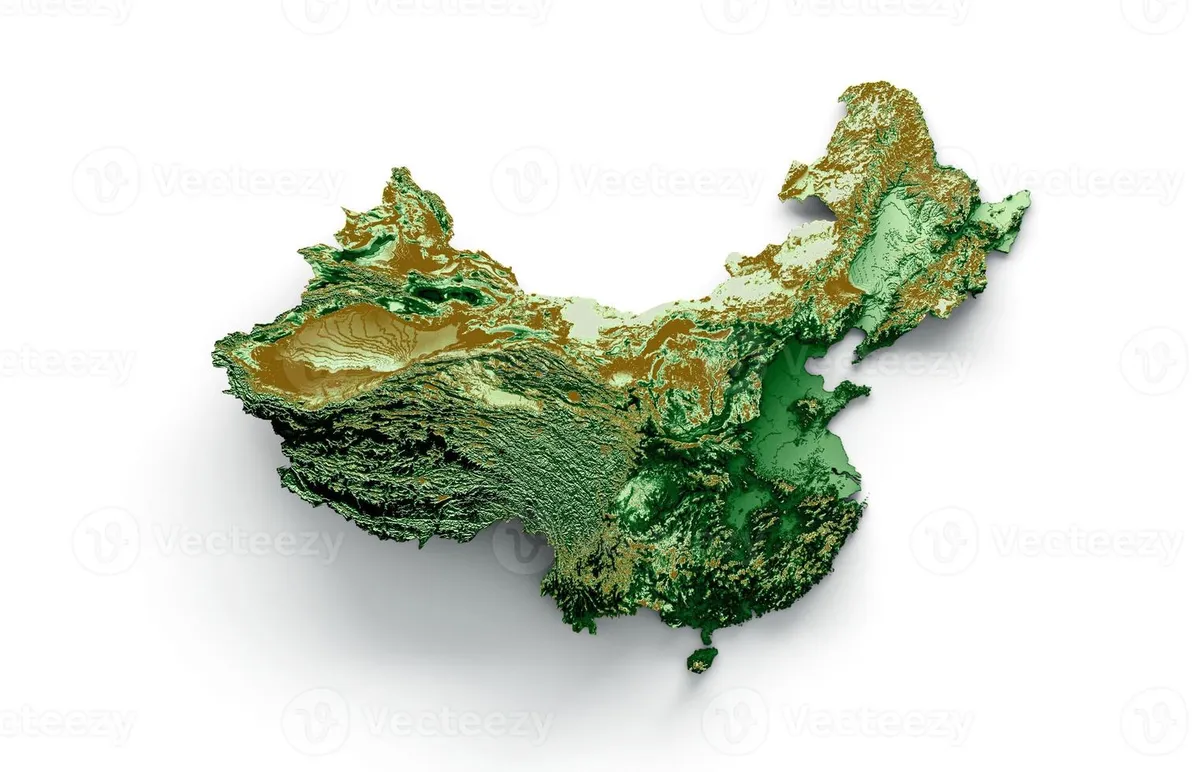
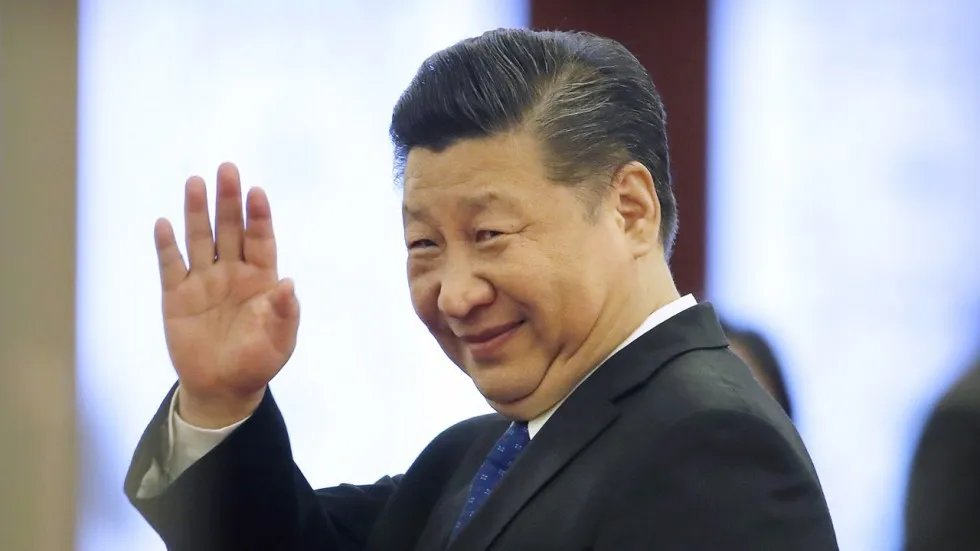
In a pivotal development for China’s energy landscape, President Xi Jinping announced on April 6, 2026, the urgent need for accelerated planning and construction of a new energy system aimed at safeguarding the nation’s energy security. This announcement comes amid rising global energy demands and increasing scrutiny of China’s heavy reliance on coal, which currently constitutes more than half of its energy mix.
China’s position as the world’s largest consumer of coal is underscored by its operation of over half of the global coal-fired power capacity. This dependence on coal has raised concerns about environmental sustainability and energy security, particularly as the country navigates complex international relations, notably with energy suppliers like Iran.
As part of this broader strategy, Xi’s government has initiated the construction of the world’s largest hydropower dam on the eastern rim of the Tibetan Plateau, a project that began in July 2025. This move is seen as a step towards diversifying China’s energy sources and reducing its carbon footprint. CCTV reported that “a greener, more diversified and resilient new energy system will provide a strong guarantee for China’s energy security and economic development,” reflecting the government’s commitment to a sustainable future.
In the context of international trade, China has also been navigating its relationship with Canada, its second-largest trade partner, which has reached approximately C$120 billion ($86 billion) in bilateral trade. Canadian Trade Minister François-Philippe Champagne emphasized the importance of removing trade irritants, stating, “Part of my message to the Chinese side was, really, we need to get to a point where we remove these trade irritants.” Canada aims to increase its overall exports to China by 50% by 2030, indicating a mutual interest in strengthening economic ties.
However, the dynamics of this relationship are complicated by China’s imposition of a 25% duty on imports of Canadian pork, which has raised concerns among Canadian producers. The ongoing negotiations between Canada and China regarding trade and supply chain integrity remain uncertain, with both sides seeking to navigate these challenges while fostering stronger economic connections.
Additionally, China’s energy strategy is intricately linked to its reliance on imports via the Strait of Hormuz, from which 5% of its total energy consumption is derived. The effectiveness of negotiations between the U.S. and Iran regarding energy supplies remains unclear, adding another layer of complexity to China’s energy security strategy.
As China moves forward with its ambitious energy plans, the first reactions from international stakeholders indicate a cautious optimism. The emphasis on a new energy system aligns with global trends towards sustainability, but the path to achieving these goals is fraught with challenges. Details remain unconfirmed regarding the outcomes of ongoing discussions with both Canada and Iran, leaving observers to watch closely as these developments unfold.