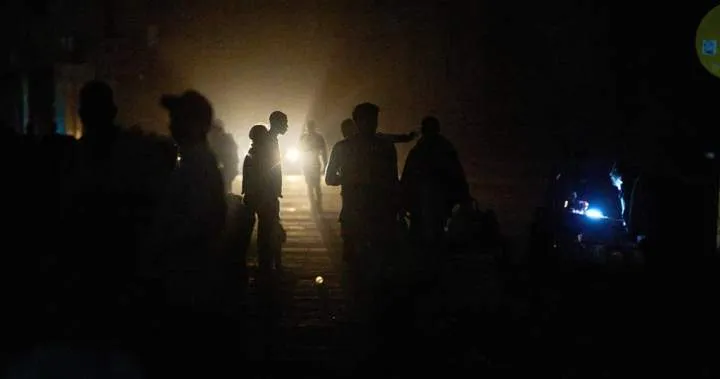
Canadians Leanne Isaak and Elise Hjalmarson are currently on a humanitarian mission in Cuba, having brought 14 suitcases filled with medical supplies and other essential goods to distribute across the island. This effort comes at a time when Cuba is grappling with severe power outages, leaving residents without electricity for extended periods, a situation exacerbated by the recent collapse of the country’s electric grid.
Isaak, reflecting on the dire circumstances, noted, “People say, ‘I may not get power again for three days so I’m going to do everything that I need to do in this one or two-hour time-frame to prepare for the next chunk of time when I’m just going to try to keep going.'” Her sentiments capture the frustration and uncertainty that many Cubans are currently experiencing.
The humanitarian mission is not only a response to immediate needs but also highlights the broader context of Canada-Cuba relations. According to Cuba’s deputy foreign minister, Canada has become Cuba’s largest foreign investor after Spain, a position that underscores the importance of bilateral ties. However, the economic landscape is fraught with challenges, particularly as the Canadian Commercial Corporation has ceased assisting new entries into the Cuban market due to rising financial risks.
The numbers
As Cuba faces a humanitarian crisis, the statistics paint a stark picture. The island, home to approximately 11 million residents, is experiencing a significant decline in its tourism sector, with hotels struggling to provide basic services such as food, electricity, and water. Sherritt International, a key player in the Canadian investment landscape, has reported a staggering $344 million in debt owed by the Cuban government, further complicating the economic situation.
Historically, Cuba has relied heavily on Venezuela for fuel, and the removal of Venezuela’s leader in January has severely impacted petroleum shipments to the island. This dependency has left Cuba vulnerable, as evidenced by the recent island-wide blackout that has left many without power.
Maria Werlau, an expert on the region, described the operating environment in Cuban hotels as “near collapse,” citing shortages of food, electricity, and water, along with poor service and maintenance. This crisis not only affects tourists but also the local population, who depend on these facilities for employment and basic services.
As the humanitarian mission continues, observers are keenly watching how Canada will navigate its relationship with Cuba in light of these challenges. The ongoing economic difficulties, compounded by U.S. sanctions and the energy crisis, raise questions about the future of Canadian investments and support in the region. Details remain unconfirmed regarding the long-term implications of these developments for both nations.