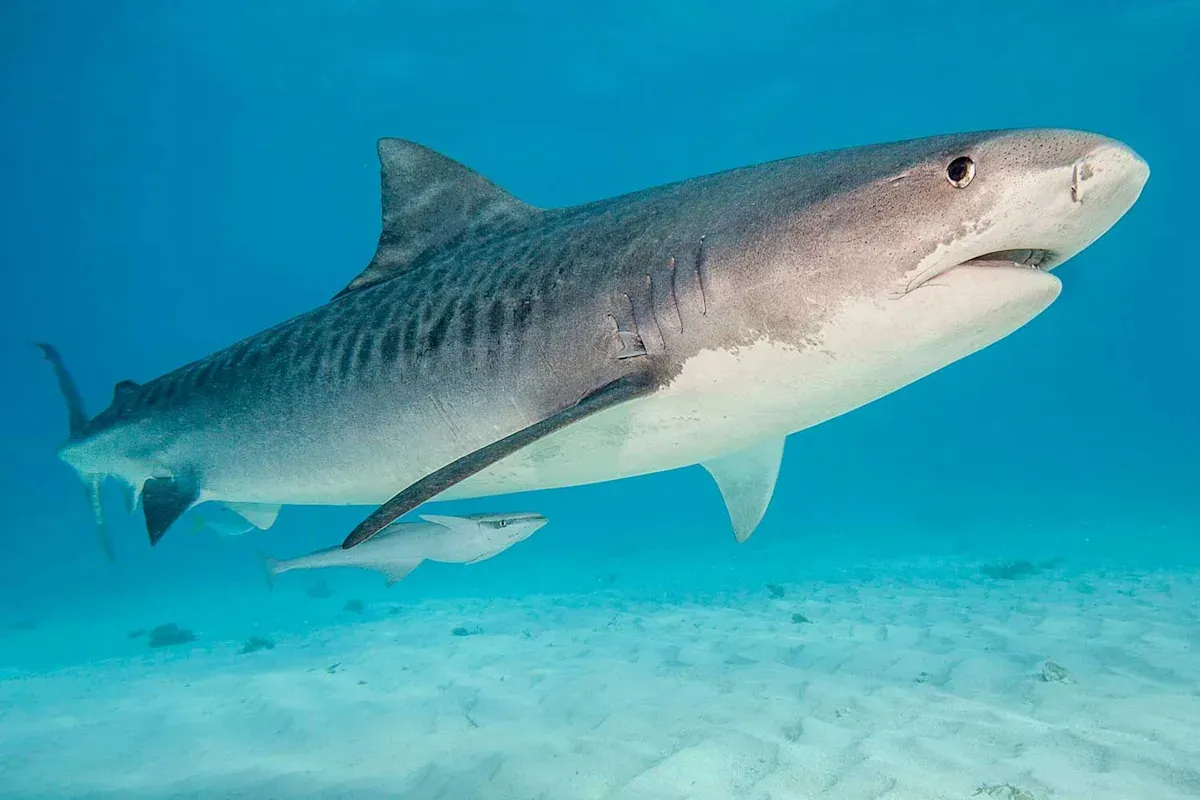
In a groundbreaking study, researchers have uncovered alarming evidence of caffeine and other contaminants in sharks inhabiting the waters near Eleuthera Island in the Bahamas. This revelation comes as a stark reminder of the pervasive impact of human pollution on marine ecosystems.
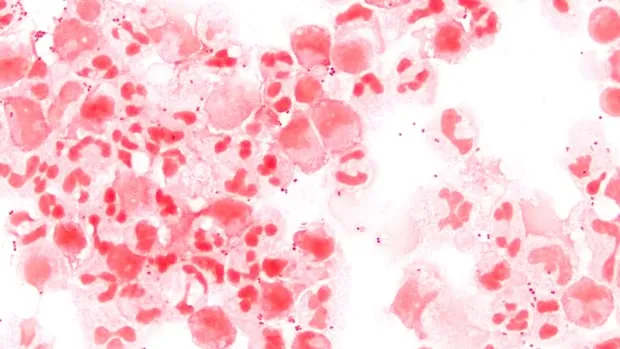
As part of the study, blood samples from 85 sharks were analyzed, revealing that nearly a third tested positive for various substances, including caffeine and cocaine. Natascha Wosnick, a lead researcher, noted, “This represents the first report concerning CECs and potentially associated physiological responses in sharks from the Bahamas.” This finding is particularly concerning given the remote nature of the island, which raises questions about the sources of these contaminants.
The implications of caffeine presence in sharks are significant. Caffeine is known to disrupt lipid metabolism and is linked to hyperglycemia and lactate accumulation. Furthermore, cortisol levels can rise by 20 to 50 percent after caffeine consumption, potentially affecting the sharks’ stress responses and overall health.
Understanding how these contaminants affect shark physiology and long-term population health becomes paramount. The study highlights the need for further research into the effects of caffeine and other pollutants on marine life. As Wosnick pointed out, “We’re talking about a very remote island in the Bahamas,” emphasizing the unexpected nature of such findings.
The presence of these substances in sharks indicates a broader issue of environmental pollution, which can have cascading effects on marine ecosystems. The study serves as a wake-up call for conservation efforts and the need to address pollution sources.
In addition to the shocking discovery regarding sharks, recent studies have shown that caffeine can influence behavior in other species as well. For instance, research on fruit flies indicates that caffeine consumption at night may lead to increased impulsivity, particularly among female flies.
This raises intriguing questions about the broader ecological impacts of caffeine and other contaminants on wildlife. As scientists continue to explore these connections, the findings from the Bahamas study underscore the urgent need to mitigate pollution in our oceans.
As we reflect on these developments, it is clear that the health of marine ecosystems is intricately linked to human activity. The discovery of caffeine in sharks is not just a scientific curiosity; it is a critical indicator of the health of our oceans and the urgent need for action.
Details remain unconfirmed regarding the specific pathways through which these contaminants are entering the marine environment, but the evidence is compelling and calls for immediate attention.