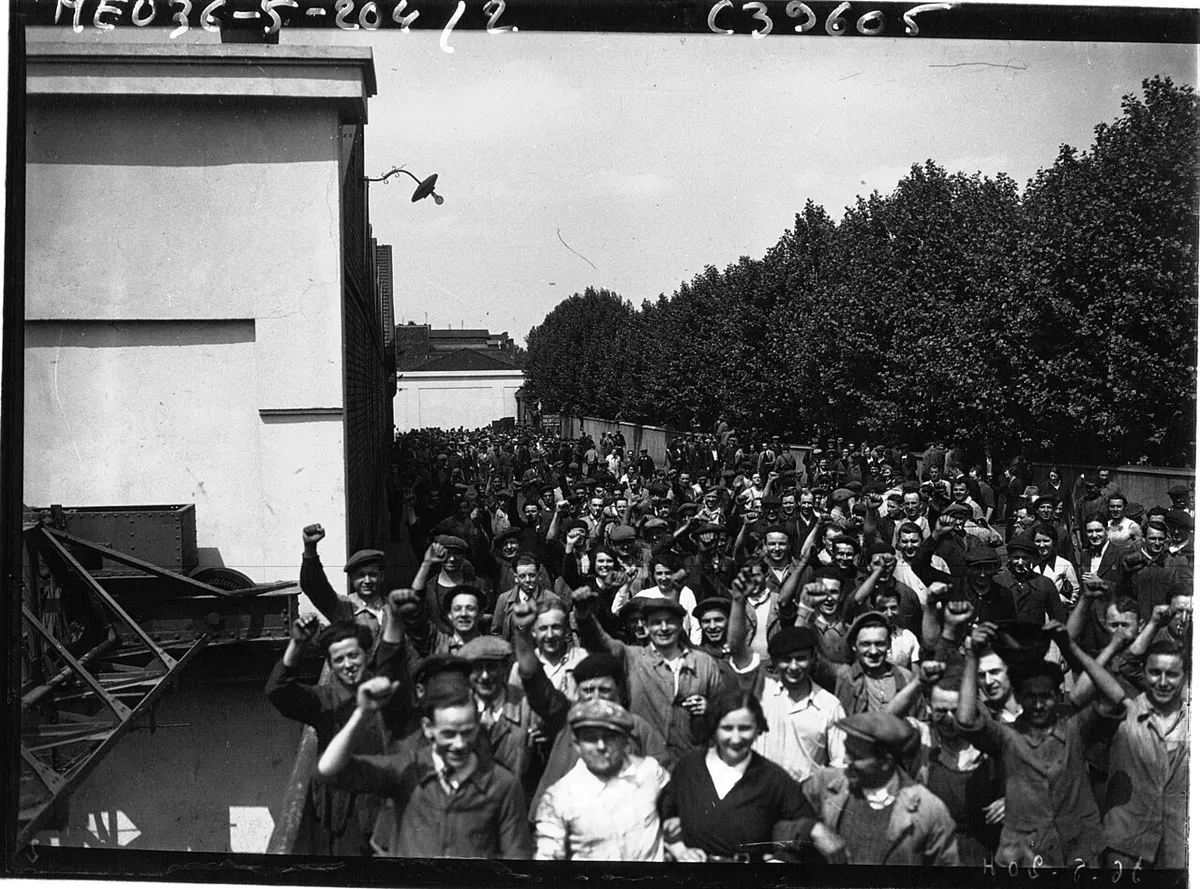
Reaction from the field
The landscape of old age security has become increasingly critical as societies grapple with the implications of aging populations. The stakes are high; without a robust system in place, millions may face financial insecurity in their later years. The establishment of social security in France, now celebrating its 80th anniversary, serves as a pivotal example of how historical movements have shaped current policies aimed at protecting the elderly.
The roots of old age security can be traced back to social movements as far back as ancient Egypt, as noted by Jean Jaurès, who emphasized the importance of social justice in the foundation of the Republic. The first legislative proposal for a retirement system for older workers was introduced in 1879, marking a significant step towards formalizing support for the aging population. This was followed by the passage of the workers’ and farmers’ pension law, which was voted on by the Chamber of Deputies in 1906 and the Senate in 1910, laying the groundwork for modern retirement systems.
In 1905, the law titled “assistance to the elderly” marked a turning point in social policy for Republicans, transitioning from mere assistance to a structured social insurance model. Édouard Vaillant articulated the essence of social insurance as a guarantee provided by society to protect individuals against the myriad risks they face throughout their lives. This foundational principle remains relevant today as discussions surrounding old age security continue to evolve.
The voluntary old age insurance scheme allows individuals to contribute voluntarily towards their retirement, validating their contributions over time. This flexibility is crucial in an era where traditional employment structures are changing, and many individuals may find themselves in non-standard work arrangements. The podcast recorded in August 2025 highlights the current state of law and regulation, indicating ongoing developments in this critical area of social policy.
Despite the advancements made, challenges persist. The age of retirement has been a contentious topic, with proposals ranging from 60 years, as suggested by Vaillant, to the current standard of 65 years. These discussions reflect broader societal debates about the balance between work, health, and the financial sustainability of pension systems.
Georges Yvetot’s assertion that “the more one demands, the more one achieves” resonates strongly in the context of labor movements advocating for better retirement conditions. The historical struggle for rights and protections for workers has paved the way for the establishment of social security systems, yet the fight is far from over. As Jean Jaurès noted, the law on workers’ and farmers’ pensions, despite its imperfections, signified a shift from assistance to a more reliable social insurance framework.
Looking ahead, the future of old age security remains uncertain. As demographics shift and economic pressures mount, the sustainability of existing systems will be tested. Policymakers must navigate these complexities to ensure that the principles of social justice and security are upheld for future generations. Details remain unconfirmed regarding the specific reforms that may be implemented, but the dialogue surrounding old age security will undoubtedly continue to evolve.