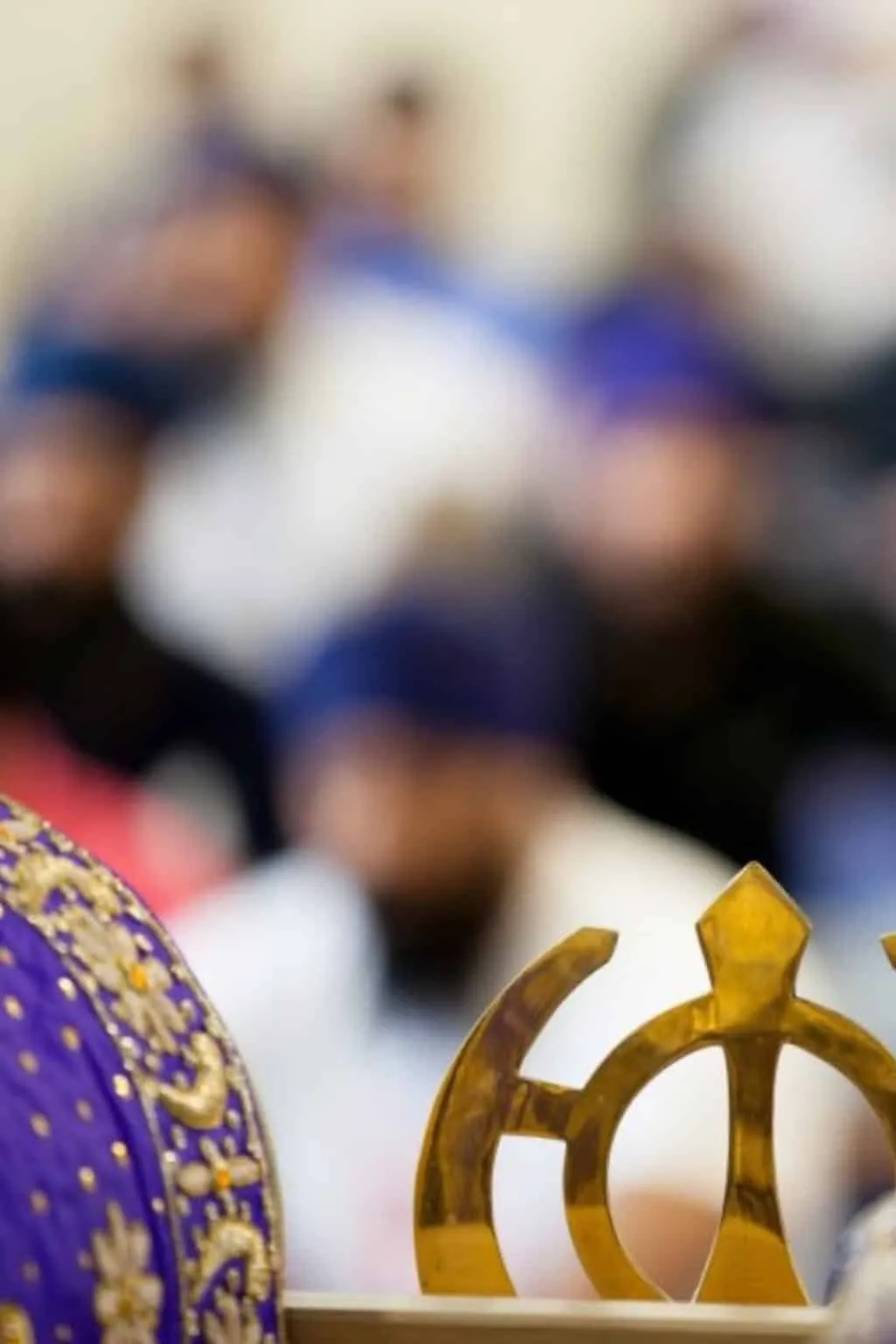
Baisakhi is a significant festival for the Sikh community, marking the harvest season and associated with historical events. Celebrated annually, it is a time for families to come together, offer prayers at Gurudwaras, and participate in langars, where food is shared among all.
This year, Baisakhi will be celebrated on April 14, 2026, a date that holds additional weight as it also marks the anniversary of the Jallianwala Bagh massacre, a pivotal moment in Indian history. The juxtaposition of celebration and remembrance adds depth to the festivities, reminding participants of the resilience and spirit of the community.
As families prepare for the festivities, they often indulge in traditional foods and wear new clothes, embodying the spirit of renewal that Baisakhi represents. Karah Parshad, a sweet offering made in Gurudwaras, plays a significant role in these celebrations, symbolizing the sharing of blessings and community spirit.
Quotes reflecting the essence of Baisakhi resonate with many: “Baisakhi reminds us that every seed of effort, sown with faith and watered with hard work, will one day stand tall as a golden harvest. Be grateful—your season is coming.” This sentiment encapsulates the hope and positivity that the festival brings.
Moreover, Baisakhi is not merely a celebration of the harvest; it serves as a reminder of the bonds that grow stronger each year. “The true harvest of Baisakhi is not what grows in the fields — it is the love shared at the table, the laughter echoed in the courtyard, and the bonds that grow stronger every year,” a reflection that many hold dear.
As the festival approaches, observers anticipate a vibrant celebration filled with joy and reflection. The spirit of Baisakhi is a call to live with courage, serve with love, and stand for what is right, echoing the values of the Khalsa.
With preparations underway, the Sikh community looks forward to a meaningful Baisakhi 2026, blending tradition with remembrance, and fostering a sense of unity and hope for the future.