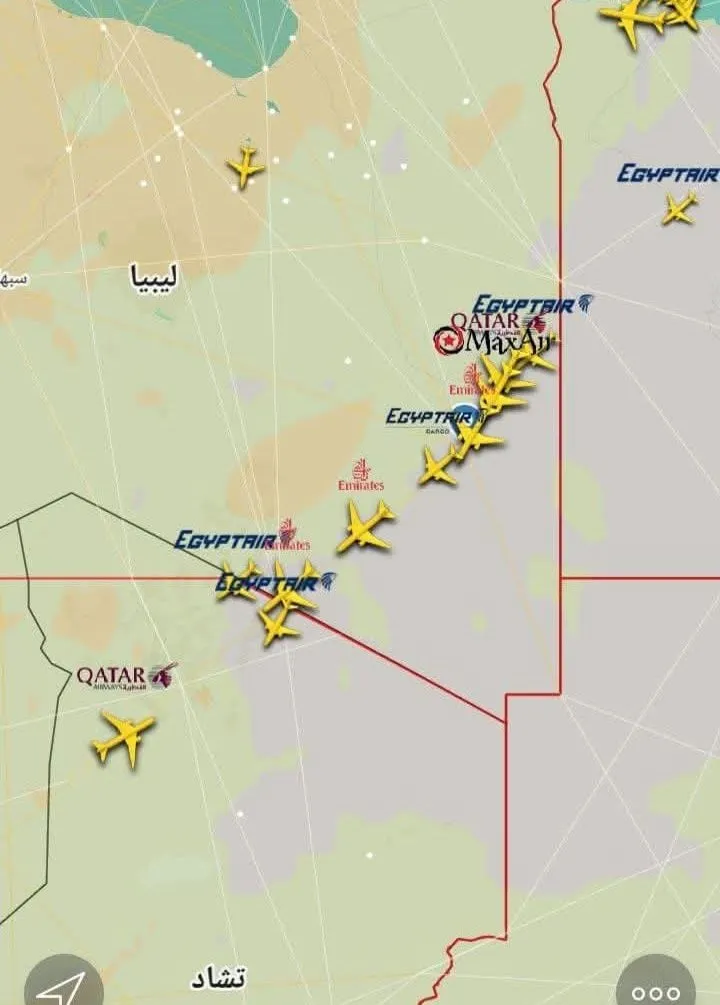
Airlines are facing unprecedented flight cancellations and fare increases due to soaring jet fuel prices linked to geopolitical tensions. The aviation crisis has taken a sharp turn as airlines like Air Transat and Lufthansa announce significant cuts in their flight schedules—responses to an escalating situation driven by the blockage of the Strait of Hormuz.
Air Transat will cut about 1,000 flights, reducing its capacity by six percent from May to October. WestJet is also scaling back, with capacity reductions of one percent in April, three percent in May, and nearly six percent in June. Meanwhile, Air Canada has suspended six routes deemed no longer economically viable.
The root of this disruption lies in skyrocketing jet fuel prices, which have surged from US$85 to US$200 per barrel in recent weeks. The International Energy Agency has issued warnings that Europe may have only six weeks of remaining jet fuel supplies—a precarious situation indeed.
Lufthansa’s decision to cancel 20,000 short-haul flights through October illustrates the breadth of this issue. They expect a reduction in summer capacity by one percent but remain optimistic about a stable fuel supply. Yet, with airlines likely losing hundreds of millions of dollars due to rising costs, the long-term sustainability of these operations hangs in the balance.
As fares rise—Air Canada recently increased the fee for the first checked bag from $35 to $45—passengers may soon feel the strain on their wallets. John Gradek notes that this is just the beginning as airlines reassess future bookings for summer travel.
But what does this mean for travelers? Prices will not drop; they will either stabilize or continue to increase, as Amra Durakovic warns. Travelers should brace for higher airfare increases as airlines adjust their strategies amid this ongoing crisis.
The extent of future flight cancellations remains uncertain as airlines evaluate their schedules. No official timeline has been shared regarding when normalcy might return. With geopolitical tensions simmering—especially surrounding the Middle East conflict—the aviation industry finds itself at a crossroads.
This situation demands attention. What happens next could reshape air travel as we know it. Are we witnessing a temporary setback or a more profound shift in how airlines operate?