How it unfolded
As the world gears up for the 2026 FIFA World Cup, anticipation is building in Toronto, Canada, where the tournament is set to kick off on June 12, 2026, at BMO Field. This will mark a significant moment not only for the host nation but also for the participating teams, particularly Italy, which is facing a challenging road to qualification.
In the lead-up to this monumental event, Italy has yet to secure its spot in the tournament. The team needs to win two more matches to qualify, a situation that has left fans and analysts alike on edge. Historically, Italy has been a powerhouse in international soccer, having missed the last two FIFA World Cups in 2018 and 2022, a stark contrast to their consistent presence since 1958. The stakes are high for a nation that prides itself on its soccer heritage.
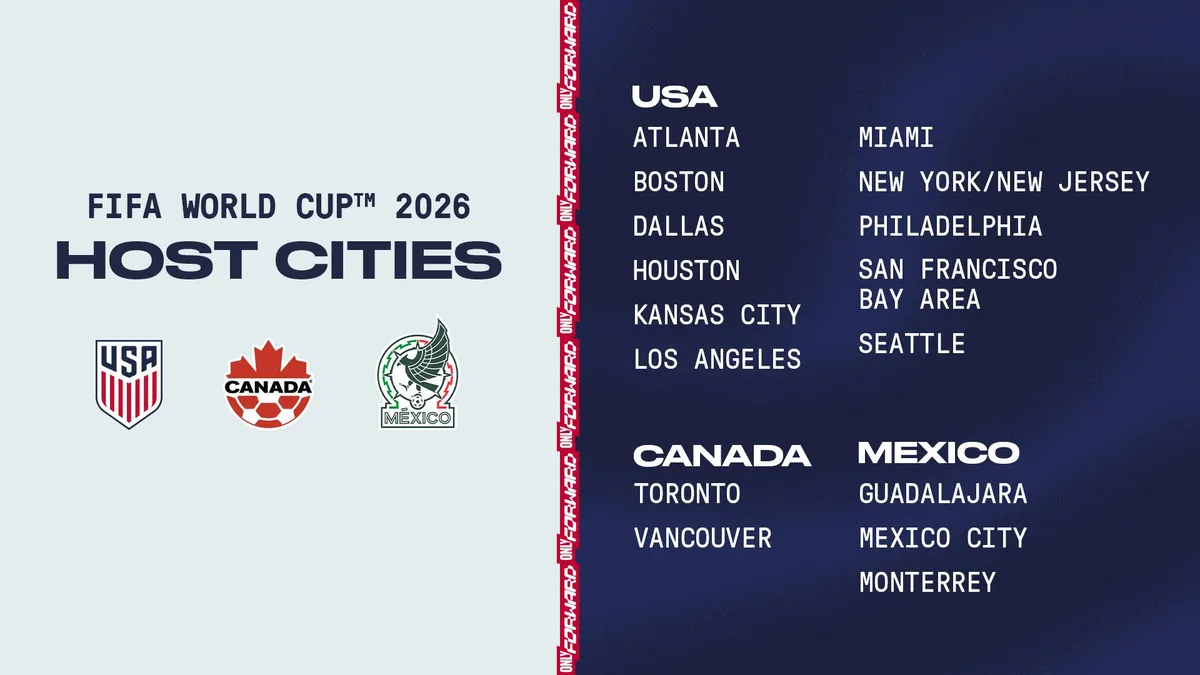
Meanwhile, Canada is preparing to host a total of 13 matches in Toronto and Vancouver, showcasing the growth of soccer in a country that has traditionally been overshadowed by its more dominant neighbors. The City of Toronto is investing significantly in this event, with a projected total cost of $380 million for hosting the matches. Of this, the city will contribute $132.9 million, while Maple Leaf Sports & Entertainment (MLSE) is set to invest $25.1 million for necessary stadium upgrades.
To support the influx of visitors and the economic boost expected from the World Cup, Toronto will implement a temporary increase in the Municipal Accommodation Tax from 6 percent to 8.5 percent, effective from June 1, 2025, to July 31, 2026. This move is aimed at generating additional revenue to cover the costs associated with the event. As Baraka Ali, a local resident, aptly put it, “It’s gonna be crazy,” highlighting the excitement and chaos that often accompany such large-scale events.
In preparation for the World Cup, Canada Soccer has unveiled new men’s uniforms designed by Nike, further fueling national pride. Jesse Marsch, a notable figure in Canadian soccer, expressed, “There’s a real pride in representing Canada,” emphasizing the emotional weight that this tournament carries for the players and fans alike.
However, the excitement is tempered by logistical challenges. A source from the Toronto Transit Commission (TTC) noted the need for increased workforce and overtime planning to accommodate the expected surge in visitors. “We need to plan for that, so we get more workforce, we put up more overtime, so people can come and assist with that,” the source stated, underscoring the complexities of hosting such a significant international event.
As the countdown to the World Cup continues, the current state of affairs reveals a mix of enthusiasm and uncertainty. While Canada prepares to showcase its hospitality and soccer prowess, the fate of Italy’s qualification remains a critical point of concern. Details remain unconfirmed, but the implications of Italy’s potential absence from the tournament would resonate deeply within the soccer community.
Ultimately, the 2026 FIFA World Cup represents not just a sporting event but a convergence of cultures, aspirations, and national pride. As Coun. Amber Morley remarked, “It’s worth it. I’m so excited for you and all the rest of us to really be able to have this. It’ll be one for the books.” The coming months will be pivotal as teams vie for their place in history, and fans prepare for a celebration of soccer on a grand scale.