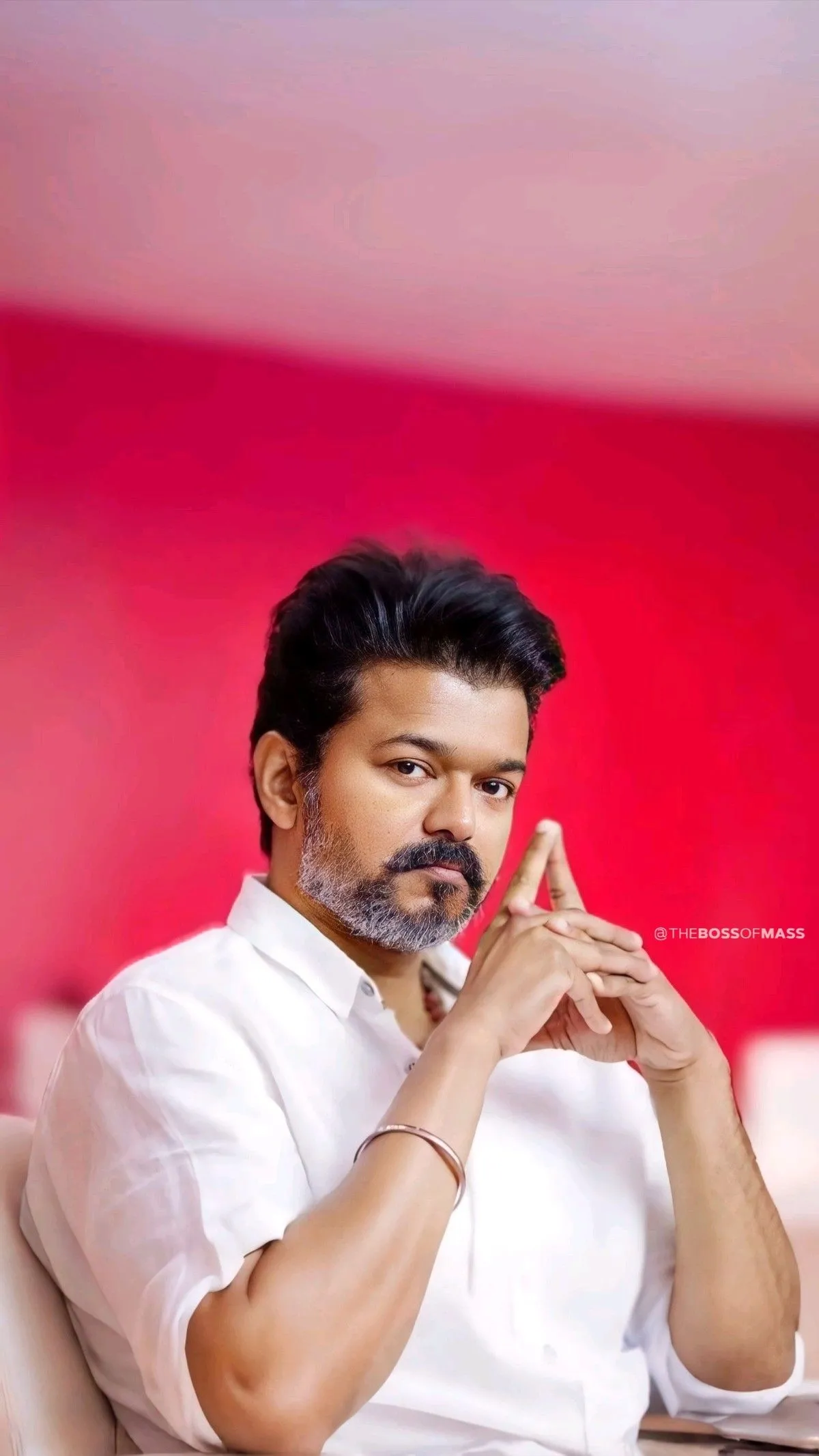
“Welfare is not charity by the state, but its investment in the young generation seeking opportunities,” declared representatives of Vijay’s new political party, Tamilaga Vettri Kazhagam (TVK). This sentiment encapsulates the essence of Vijay’s campaign as he embarks on a transformative journey in Tamil Nadu politics, culminating in the Tamil Nadu assembly elections on May 4, 2026.
TVK has emerged as a formidable force, projected to secure around 107 seats in the 234-member assembly. This marks a significant departure from the long-standing dominance of established parties like the Dravida Munnetra Kazhagam (DMK) and All India Anna Dravida Munnetra Kazhagam (AIADMK). Initially dismissed as reckless, TVK’s decision to contest all seats independently has proven to be a strategic masterstroke.
The backdrop of this political upheaval is notable. The state recorded its highest-ever voter turnout at 85.1%, reflecting an engaged electorate eager for change. Vijay’s campaign resonated particularly with younger voters, emphasizing job guarantees and a vision for a drug-free state—issues that align with their aspirations.
However, not everything has been smooth sailing. A tragic stampede at a TVK rally in Karur resulted in 41 fatalities and left 80 injured, overshadowing some of the campaign’s momentum. This incident raises questions about safety and crowd management at such large-scale events.
Vijay’s rise is not just about numbers. He has voiced support for a referendum on Tamil Eelam, aligning his platform with broader aspirations within the Tamil diaspora. His commitment to youth empowerment and social welfare through his organization, Vijay Makkal Iyakkam—which boasts around 85,000 fan clubs—demonstrates his grassroots connectivity.
The political landscape in Tamil Nadu is traditionally dominated by Dravidian politics—an ideology that has shaped the state’s governance for decades. Yet, Vijay’s centre-left stance rejects majoritarianism and right-wing politics, positioning him as a refreshing alternative.
The early trends in this election cycle have already made public trust a focal point—”The early trends in the Tamil Nadu election have made that bank account [of public trust] impossible to ignore,” noted analysts. With Chief Minister M.K. Stalin losing his seat in Kolathur and conceding defeat, it appears that Vijay’s disruptive influence is gaining traction.
As the dust settles from this election cycle, one thing is clear: Vijay’s emergence represents not merely an electoral victory but a potential shift in Tamil Nadu’s political paradigm.