In a significant response to the ongoing conflict in the Middle East, universities across Canada, including prominent institutions like the University of Victoria and Queen’s University, are offering exam deferrals and extensions on tuition payments to international students impacted by the crisis. This initiative comes as thousands of students from Iran and Lebanon face unprecedented challenges, with many unable to contact family members or access financial resources due to the turmoil.
As of December 31, 2024, data from Immigration, Refugees and Citizenship Canada indicates that over 23,000 study permit holders from Iran and approximately 1,800 from Lebanon are currently studying in Canada. The situation has escalated, with reports indicating a death toll of 1,900 in Iran and 1,300 in Lebanon due to the ongoing conflict. In light of these distressing circumstances, universities are stepping up to provide essential support.
The University of Victoria has taken a proactive approach by offering case-by-case support to students with ties to Iran, including special bursary funding and the lifting of holds on registration. This tailored assistance aims to alleviate the academic pressures faced by students during such a tumultuous time.
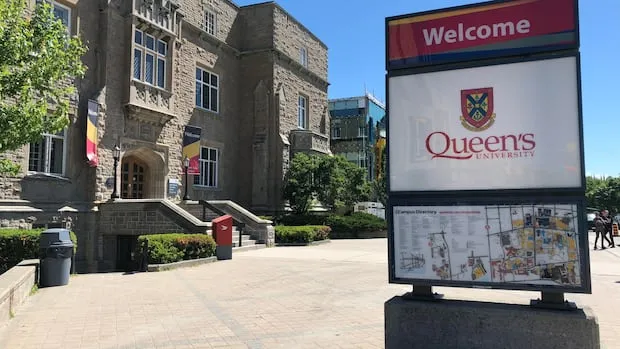
Similarly, Queen’s University is extending its support by allowing students to defer winter tuition and fee payments without incurring late penalties. They are also providing access to emergency bursaries and expanding mental health resources to help students cope with the emotional toll of the crisis. A spokesperson from Queen’s University emphasized the importance of encouraging affected students to reach out for support as they navigate these challenging circumstances.
Carleton University has also joined the effort, offering flexibility for affected students regarding admissions documents and exam deferrals. The institution is currently reviewing requests for tuition relief, demonstrating a commitment to addressing the financial strains that many students are experiencing.
McGill University has reached out to students from several Middle Eastern countries, informing them about available academic accommodations and mental health resources. This outreach is crucial for students who may feel isolated and overwhelmed by the ongoing situation back home.
At the University of Toronto, the Graduate Students’ Union has implemented an emergency grant program, providing up to $1,000 to students facing financial hardship due to the crisis. This initiative underscores the urgent need for financial assistance as students grapple with the repercussions of the conflict.
Amid these developments, Amir Moghadam, a representative of the Iranian student community, highlighted the dire circumstances faced by many students, stating, “Right now, Iranian students in Canada cannot contact their families, cannot transfer money, and in many cases have no way of knowing whether their loved ones are safe.” His remarks reflect the broader sentiment of anxiety and uncertainty that permeates the student body. As universities mobilize to provide support, the hope is that these measures will help mitigate the impact of the crisis on the educational journeys of affected students.