Who is involved
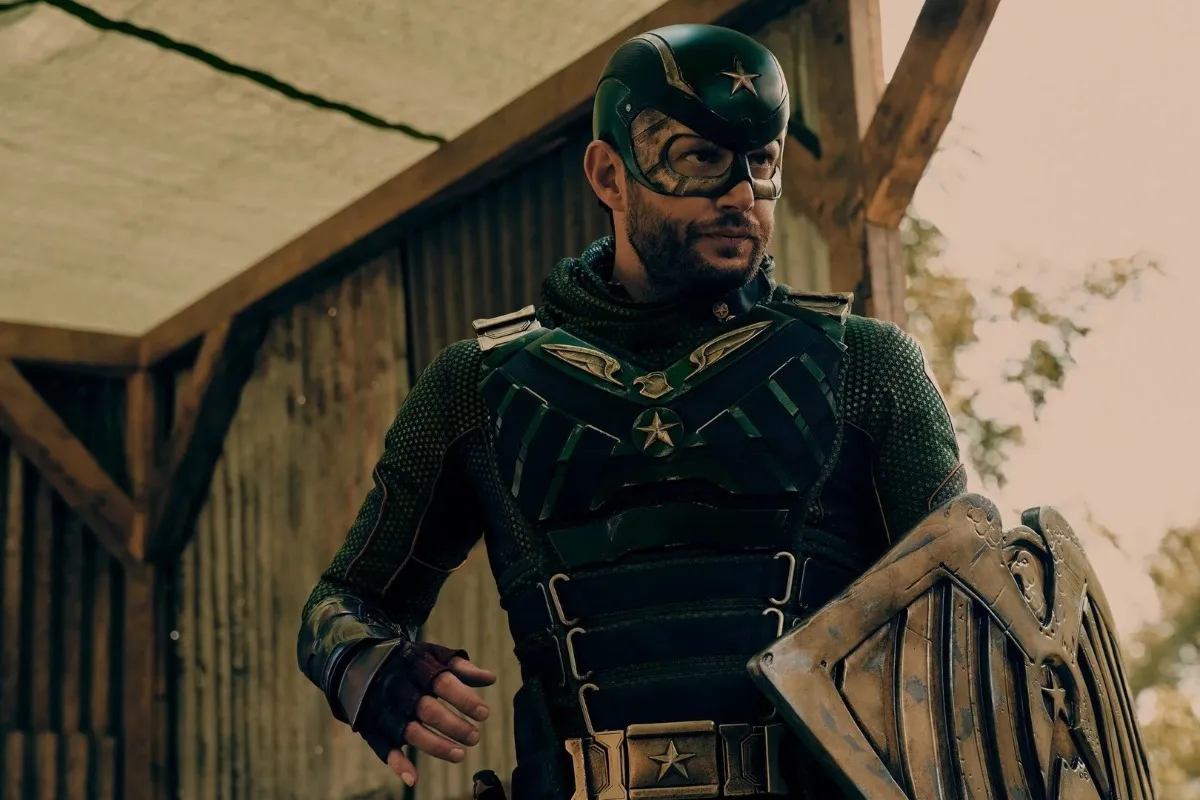
Before the announcement of the final season of The Boys, expectations were high for a show that had already redefined the superhero genre. The series, known for its gritty realism and dark humor, had captivated audiences with its unique take on the world of superheroes. Fans anticipated a continuation of the thrilling storylines and character development that had made the show a cultural phenomenon. The introduction of the spin-off series, Gen V, further fueled excitement, as it promised to expand the universe while exploring new narratives.
However, a decisive moment arrived when the producers revealed that the final season would premiere on April 8, 2026, consisting of only five episodes, concluding on May 20, 2026. This announcement shifted the narrative landscape significantly. The first two episodes will be available immediately, a strategy designed to hook viewers right from the start. The anticipation surrounding these episodes is palpable, especially given the show’s reputation for shocking twists and character arcs.
The direct effects of this announcement have been profound. Both Jaz Sinclair, who portrays Marie Moreau, and Erin Moriarty, known for her role as Starlight, have expressed their excitement and trepidation about the final season. Sinclair hinted at the emotional weight of the upcoming episodes, stating, “Hopefully, they’ll be very thrilled with what we filmed.” Moriarty echoed this sentiment, emphasizing that the final season is “our darkest season,” which suggests a departure from previous narratives and a deeper exploration of character vulnerabilities.
As fans prepare for the emotional rollercoaster that lies ahead, the stakes have never been higher. The final season is rumored to feature major character deaths, a bold move that could redefine the series’ legacy. Moriarty’s warning that viewers should expect “emotional responses and mixed reactions to how characters’ journeys conclude” indicates that the showrunners are not shying away from difficult choices. This shift in tone could lead to a more profound engagement with the audience, as they grapple with the implications of these character arcs.
Experts in television narrative have noted that such a dramatic pivot can be a double-edged sword. While it can elevate the stakes and deepen viewer investment, it also risks alienating fans who have become attached to specific characters. The final season’s approach to storytelling will be crucial in determining whether it can satisfy long-time viewers while still delivering fresh content. Sinclair’s character, Marie, is speculated to be powerful enough to confront the formidable Homelander, which could lead to thrilling confrontations and unexpected alliances.
Moreover, the rollout strategy of releasing the first two episodes simultaneously, followed by weekly releases, is a calculated move to maintain viewer engagement. This method allows for immediate discussion and speculation among fans, which can enhance the viewing experience. However, it also places pressure on the narrative to deliver consistently high-quality content throughout the season.
As the premiere date approaches, the excitement is tempered by uncertainties regarding the future of Gen V. Details remain unconfirmed about whether the spin-off will receive a third season, leaving fans to wonder how the universe of The Boys will evolve post-final season. The interconnectedness of these narratives adds another layer of complexity to the viewing experience, as audiences will be eager to see how the events of the final season impact the broader universe.
In summary, the final season of The Boys is set to deliver a darker, more emotionally charged narrative that challenges both the characters and the audience. With significant changes on the horizon, fans are left to ponder the fate of their favorite characters and the legacy of a show that has redefined the superhero genre.