Syria has been a main arena of rivalry for multiple external powers over the last decade. As the regional war involving Iran unfolds, Syria has managed to avoid becoming a direct battlefield, a feat that has required careful diplomatic maneuvering and strategic decisions by its leadership.
In a significant development, Syrian authorities have distanced the country from Iran and its axis of resistance, opting instead to strengthen border controls to prevent any escalation of the ongoing conflict. This shift is particularly crucial given the recent uptick in cross-border attacks primarily originating from Iraqi territory since the start of the war.
President Ahmed al-Sharaa has emphasized the importance of these measures, stating, “Syria is calculating its steps to prevent further escalation.” This statement reflects a broader strategy aimed at maintaining national stability while navigating the complexities of regional geopolitics.
In a bid to address internal issues, President al-Sharaa also issued General Amnesty Decree No. 39 on February 18, 2026, which applies to crimes committed before this date. However, the effectiveness and implementation of this decree remain unclear, raising questions about its potential impact on the political landscape.
As Syria grapples with these challenges, it is also facing significant economic pressures. The Syrian Lira has lost nearly 10% of its value since the beginning of the war, and the country relies on imports for between one-third and one-half of its fuel consumption. Observers are concerned that domestic fuel prices could rise by as much as 100%, while transport costs may increase by 150% and meat prices by 120%.
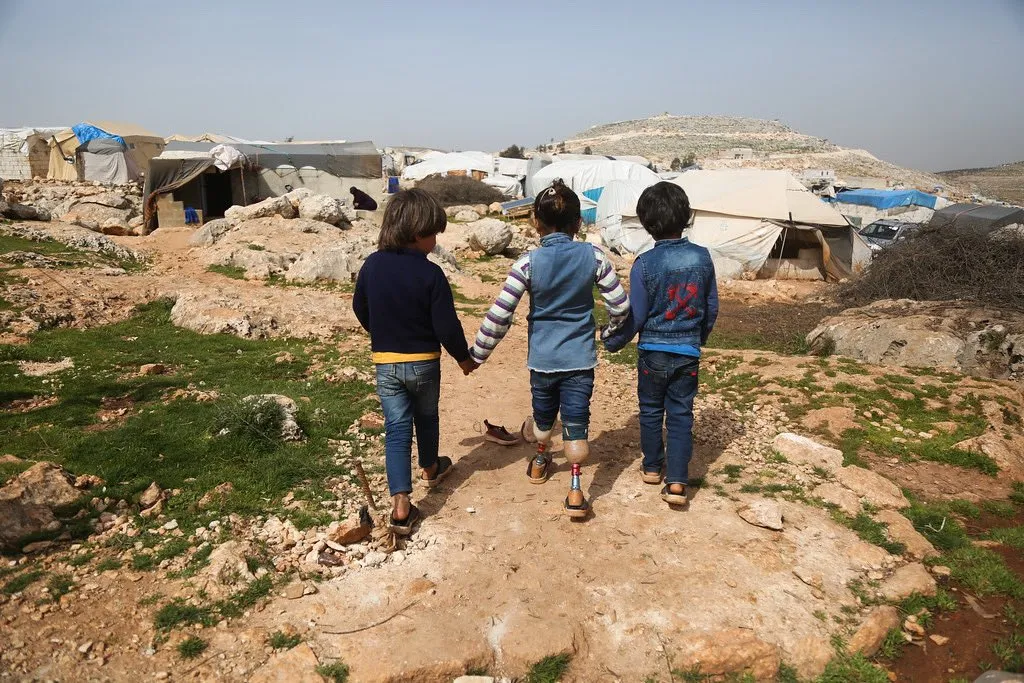
These economic strains are compounded by new population movements into Syria, with approximately 200,000 individuals, including 180,000 Syrians returning from Lebanon and 28,000 Lebanese seeking refuge, adding to the already complex humanitarian situation.
The specter of past government practices, such as forced disappearances, looms large as the new government attempts to navigate its approach to justice. The question remains: why would the new administration choose to resurrect aspects of the old regime’s approach?
As the situation evolves, the long-term impact of the current crisis on Syria’s political transition remains uncertain. Details remain unconfirmed, but observers are keenly watching how these developments will shape the future of Syria amidst ongoing regional tensions.