Subaru’s sales took a hit in March 2026, reflecting broader trends in the automotive market where the average price for a new car approached $50,000. As car shoppers paid an average of $49,275 for new vehicles, Subaru’s performance raises questions about its market strategy amidst rising costs and shifting consumer preferences.
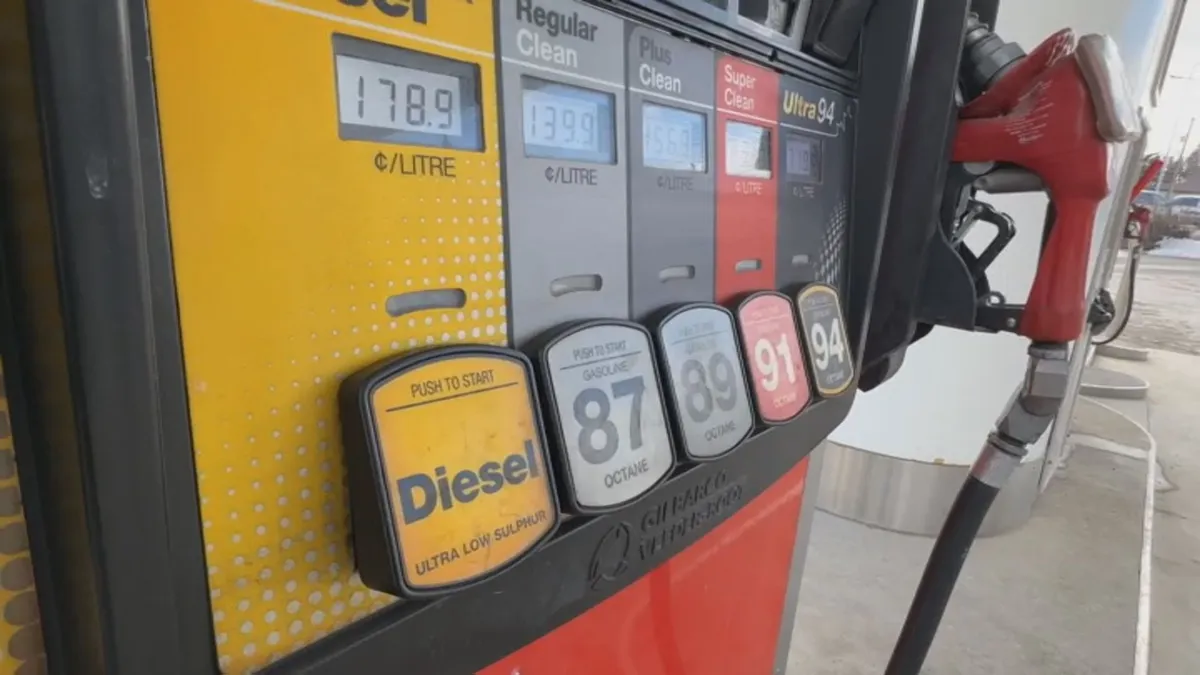
According to data from Cox Automotive, the average manufacturer’s suggested retail price (MSRP) for new cars reached $51,456 in March, marking a 3.9% increase from February 2025. This increase comes as the demand for vehicles continues to concentrate in higher-priced segments, despite ongoing concerns about elevated gas prices. Erin Keating, an analyst at Cox Automotive, noted, “The numbers this month also show that the industry’s near-$50,000 ATP is reflective of a market that favors large, expensive vehicles.”
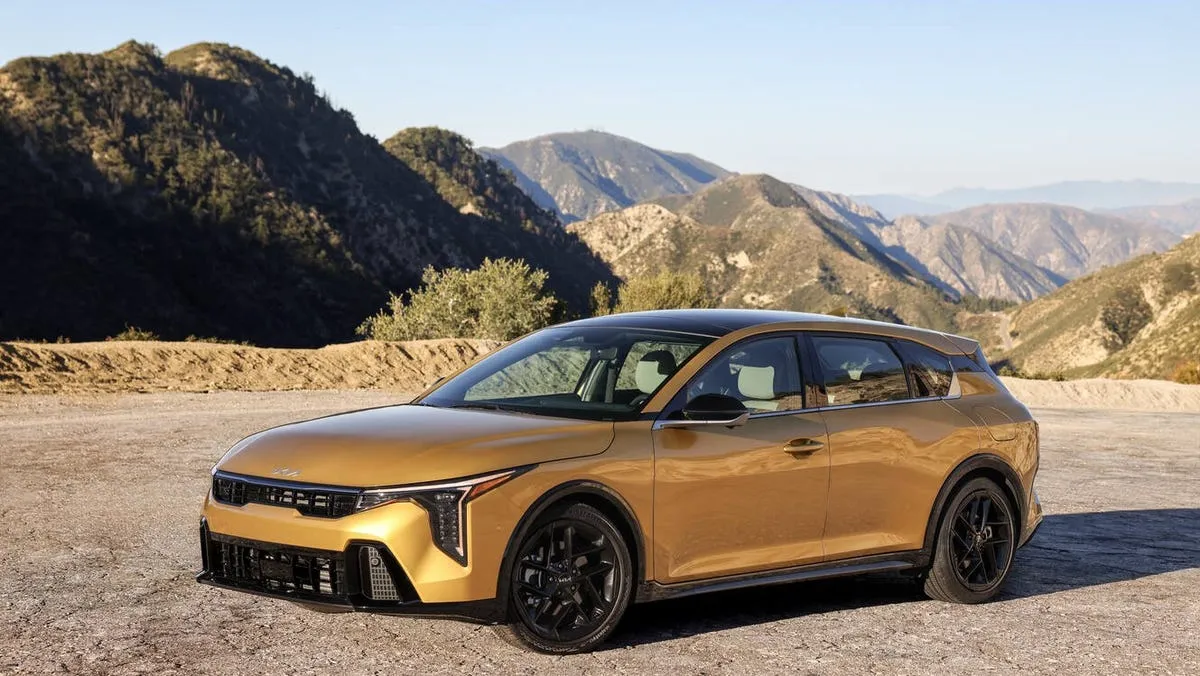
Subaru’s offerings, such as the Impreza and Crosstrek, have maintained competitive starting prices of $23,495 and $26,995, respectively. However, the brand’s sales figures suggest that even these models are struggling to attract buyers in a market increasingly dominated by higher-end vehicles. Kelley Blue Book recognized the Subaru Impreza as the #2 Best Wagon and the Crosstrek as the #5 Best 2-Row SUV, yet these accolades have not translated into robust sales.
In March 2026, the average per-vehicle amount of discounts was $3,300, indicating that automakers are ramping up incentives to stimulate sales amid high inventory levels. Subaru has also introduced a $2,000 rebate on the 2026 Subaru Solterra and is offering 0% APR financing for 75 months on select models to entice buyers. These strategies highlight the brand’s attempt to remain competitive in a challenging market.
Despite these efforts, the overall dealer inventory is expected to remain at 2025 highs of 2.2 million vehicles, suggesting that the supply may outpace demand. Automakers are increasingly shifting their focus from electric vehicles to gas-powered cars, a move that reflects the current consumer sentiment and purchasing behavior.
Historically, Subaru has carved out a niche in the market with its all-wheel-drive vehicles and a loyal customer base. However, the current landscape poses significant challenges. The average price of new cars was down only 0.1% from February 2026’s average of $49,353, indicating that while prices are stabilizing, they remain high enough to deter many potential buyers.
Looking ahead, observers are keen to see how Subaru will adapt to these market dynamics. The brand’s ability to innovate and respond to consumer preferences will be critical in reversing its sales decline. As Erin Keating pointed out, “While affordable vehicles still exist, the demand continues to be concentrated in higher-priced segments.” This trend may force Subaru to reevaluate its pricing strategy and model offerings to regain its footing in the competitive automotive landscape.
Details remain unconfirmed regarding the long-term implications of these trends for Subaru, but the current sales decline serves as a stark reminder of the challenges facing many automakers in an evolving market.