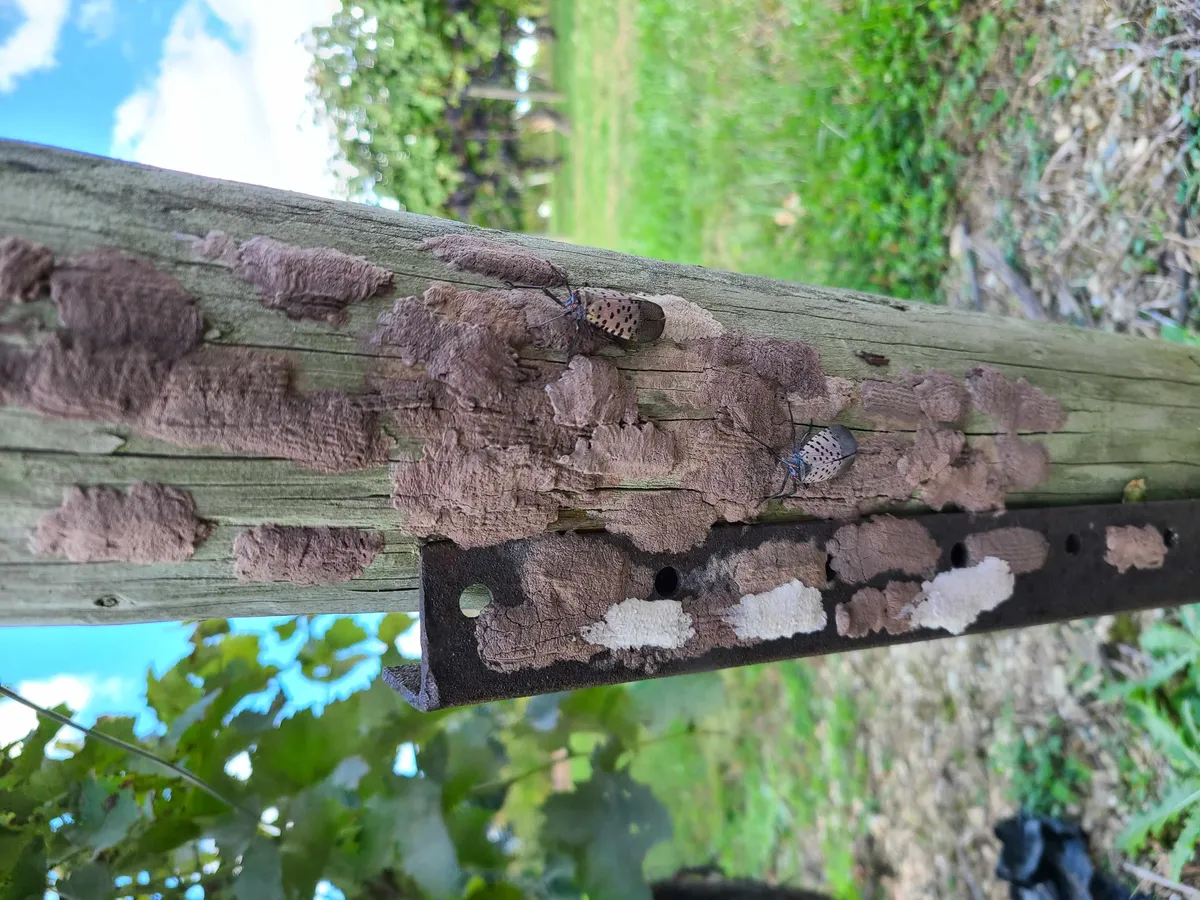
Aidan Dagg, an avid nature enthusiast, recently stated, “I’m a huge bug nerd. It’s one of the coolest-looking bugs we have, it just really sucks that it’s invasive.” This sentiment captures the duality of fascination and concern surrounding the spotted lanternfly, which has now been spotted in Ontario, raising alarms about its potential impact on the province’s lucrative grape and wine industry.
The spotted lanternfly is an invasive species native to southeastern Asia. It was first detected in the U.S. in 2014 and has since spread to 19 states. Although there are currently no established populations of this pest in Canada, its presence poses a serious threat to vineyards and fruit trees across the country.
Dagg found a dead spotted lanternfly in St. Catharines, Ontario, and promptly reported it to the Canadian Food Inspection Agency. The insect can feed on over 100 species of trees and plants—including grapevines—leading to significant damage. Feeding by these pests can cause host plants to decline or even die, threatening not just individual growers but entire agricultural sectors.
Experts are particularly worried given that Ontario’s grape and wine industry is valued at $5.4 billion. Emily Posteraro from Natural Resources Canada emphasized this vulnerability: “We have a $5.4 billion grape and wine industry. That’s at stake, but we don’t know the numbers.” The economic impact could be severe if populations were allowed to establish themselves.
The potential for rapid spread is alarming. Spotted lanternflies can travel in shipments or latch onto vehicles and trains—sometimes reaching speeds of up to 95 kilometres per hour while hitching a ride. Their resilience to varying temperatures adds another layer of complexity for pest control efforts.
Chris Duyvelshoff from the Invasive Species Centre remarked on the human role in this issue: “It really goes to show with this invasive species is the route of transportation of it. It’s a pest that’s very much moving based on human activity.” This highlights the need for increased vigilance as well as proactive measures.
With agriculture under threat from invasive species like the spotted lanternfly, stakeholders must act swiftly. As experts continue to monitor this situation, awareness campaigns will likely play a crucial role in preventing further spread.