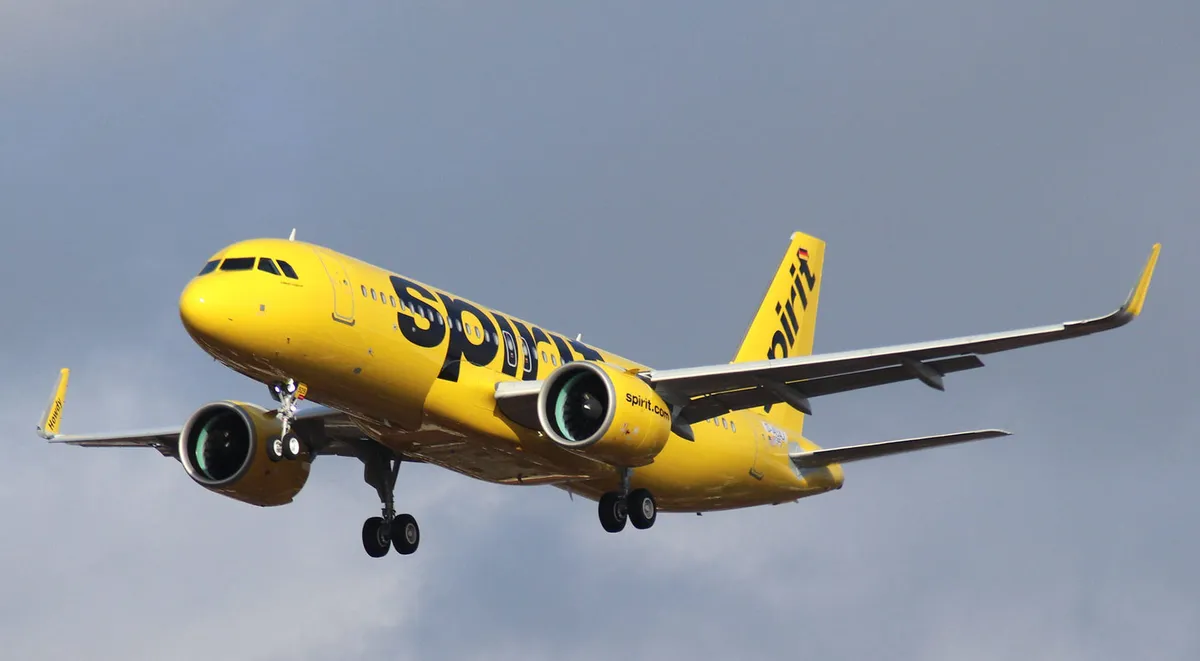
Spirit Airlines’ shutdown on Saturday marks the first major casualty linked to the ongoing Iran war, driven by soaring fuel prices that have crippled the aviation sector. The airline ceased operations after failing to secure creditor support for a proposed $500 million U.S. government bailout.
At one time, Spirit accounted for five percent of U.S. flights, showcasing its substantial presence in the market. Between May 1 and May 15 alone, it had scheduled 4,119 domestic flights, offering an impressive 809,638 seats.
Its final flight—Flight 1833 from Detroit to Dallas—landed just after midnight on Saturday. In February, Spirit managed to fly about 1.7 million domestic passengers while holding a market share of 3.9 percent.
Yet, the airline struggled significantly even before this crisis. The recent spike in jet fuel prices—climbing to about $4.51 per gallon by the end of April—exacerbated its financial woes. As Spirit stated, “the recent material increase in oil prices and other pressures on the business have significantly impacted Spirit’s financial outlook.”
The fallout from this closure will ripple through the industry. Transportation Secretary Sean Duffy indicated that the government is taking action to secure relief for those affected by Spirit’s shutdown. Major U.S. carriers have also stepped in; they will cap ticket prices for Spirit customers needing to rebook cancelled flights.
This situation leaves many uncertainties. For instance, officials haven’t disclosed how long it will take for affected passengers to receive assistance or what specific measures will be implemented.
The pain of this decision is palpable—not just in boardrooms but among pilots, flight attendants, mechanics, dispatchers, and ground crews—many of whom now find their livelihoods at risk.
As competitors like JetBlue Airways and Frontier Airlines stand poised to benefit from Spirit’s absence, one must ponder what this means for the future of low-cost travel in America.