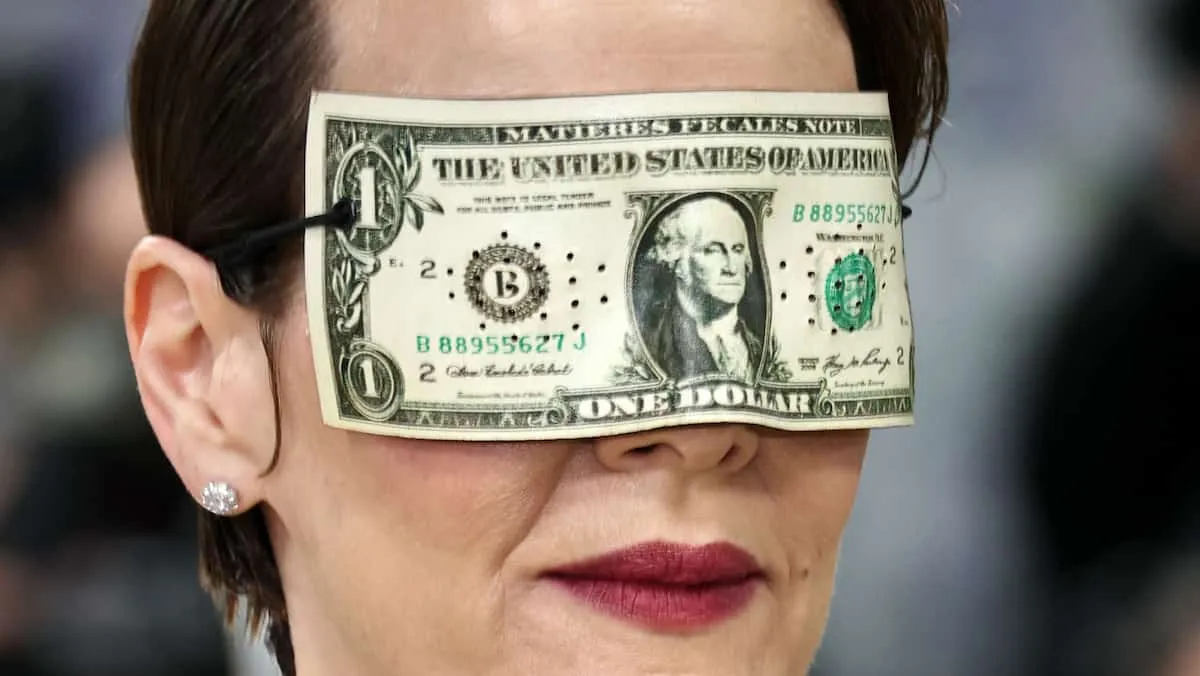
At the 2026 Met Gala, Sarah Paulson donned a striking outfit designed by Matières fécales, aimed at critiquing wealth inequality. The event, held at the Metropolitan Museum of Art in New York, is known for its exclusivity and high ticket prices—reportedly around $75,000 per person.
Paulson’s ensemble included a leather mask titled ‘Blinded by Money’ and a ball gown named ‘Destroyed Tulle Debutante’. This collection, called ‘The One Percent’, was intended as a political statement about greed and corruption tied to extreme wealth. Yet, the very setting of the gala—filled with ultra-wealthy attendees—sparked immediate criticism.
Critics quickly labeled her look as “tone deaf” and “out of touch”. They pointed out the irony of making a statement against wealth at an event that celebrates it. Notably, Jeff Bezos and his wife had contributed eight figures to the festivities, highlighting the stark contrast between the message and the venue.
Key criticisms include:
- Paulson’s outfit featured a one-dollar bill taped across her eyes, symbolizing blindness to wealth disparity.
- Commentators like IDeserveCouture noted that wearing such a statement at the Met Gala seemed contradictory.
- Taraji P. Henson expressed confusion over attendees’ intentions, questioning their commitment to social issues.
Matières fécales stated that “Fashion is Art and at its most daring, Political.” This raises an interesting question: Can political fashion thrive in spaces dominated by affluence? The richest 1.5% of people own nearly half of global wealth—does this reality undermine celebrity activism?
The backlash against Paulson serves as a reminder of how complex celebrity activism can be. While her intentions may have been noble, delivering critiques from within such an exclusive environment invites skepticism. As debates continue, one thing stands clear: fashion can provoke dialogue—but it also risks alienating those it aims to represent.