The numbers
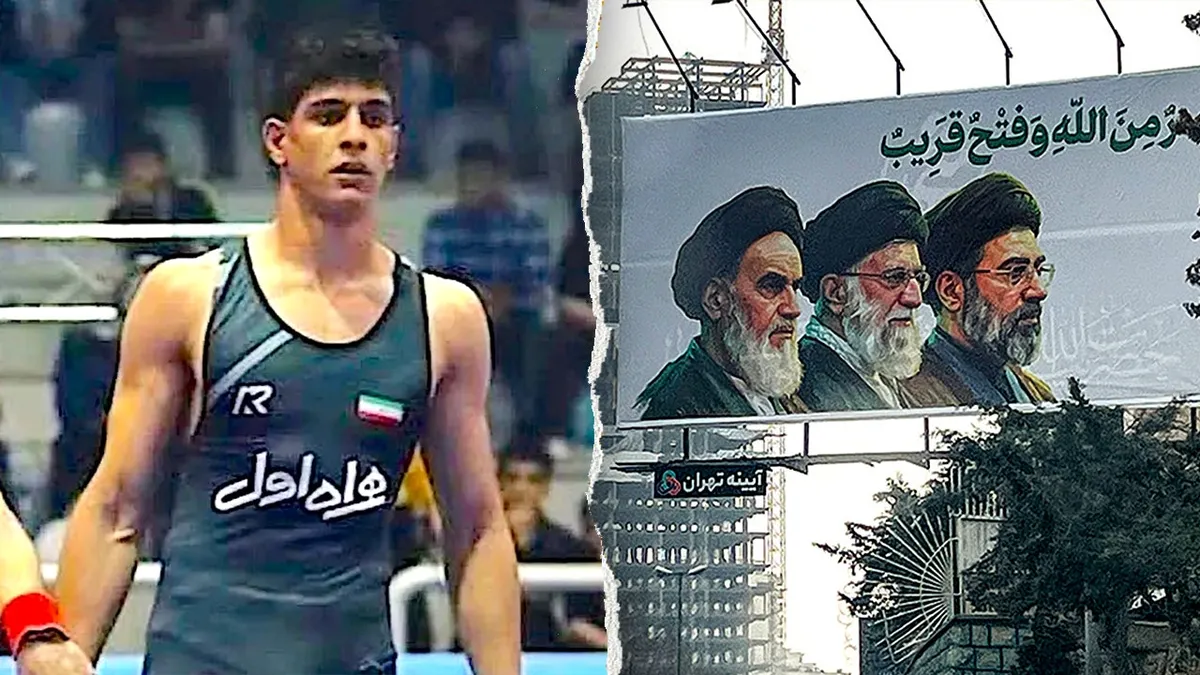
Saleh Mohammadi, a promising young wrestler, was executed by hanging on March 19, 2026, at the age of 19. His death marks a grim chapter in Iran’s ongoing crackdown on dissent, particularly against youth involved in protests. Mohammadi was accused of killing two police officers during demonstrations, a claim that has been met with skepticism by human rights advocates.
The Iranian judiciary sentenced Mohammadi to death on February 4, 2026, following a trial that many observers have described as lacking due process and riddled with forced confessions. Reports indicate that Mohammadi’s hands were fractured from beatings prior to his execution, raising serious concerns about the methods employed by the authorities in securing confessions.
Mohammadi was not just a protester; he was also a champion wrestler, having represented Iran in international competitions. He had previously won a bronze medal at the Saytiyev International Cup in September 2024, showcasing his potential as an athlete. His execution is seen as part of a broader strategy by the Khamenei regime to suppress dissent and intimidate the population, particularly targeting individuals who have the potential to inspire others.
Human rights organizations have condemned the execution, with the Center for Human Rights in Iran (CHRI) stating, “Executing these young protesters in public, after sham trials built on torture and forced confessions, is state-sanctioned murder designed to terrorize the population and send a clear message: any act of dissent will be met with death.” This sentiment echoes the views of many who believe that the Iranian regime is increasingly resorting to extreme measures to maintain control.
International reactions have also been swift. The U.S. State Department expressed deep concern over Mohammadi’s imminent execution, emphasizing the need for accountability and respect for human rights in Iran. Activists like Nima Far have labeled the execution a “blatant political murder,” arguing that it reflects a systematic effort by the regime to silence voices of dissent, particularly among athletes who hold significant influence.
Mohammadi’s tragic fate is not an isolated incident; it reflects a disturbing trend in Iran’s treatment of protesters and dissenters. The regime has a long history of executing individuals who challenge its authority, particularly during periods of unrest. As the Iranian government continues to face internal and external pressures, the execution of young individuals like Mohammadi serves as a chilling reminder of the lengths to which the regime will go to maintain its grip on power.
As observers look to the future, the implications of Mohammadi’s execution may resonate beyond Iran’s borders. The international community is increasingly scrutinizing the Khamenei regime’s human rights record, and further actions may be taken in response to such blatant violations. Details remain unconfirmed regarding any potential repercussions for Iran, but the execution has undoubtedly sparked outrage and calls for action from various human rights organizations worldwide.