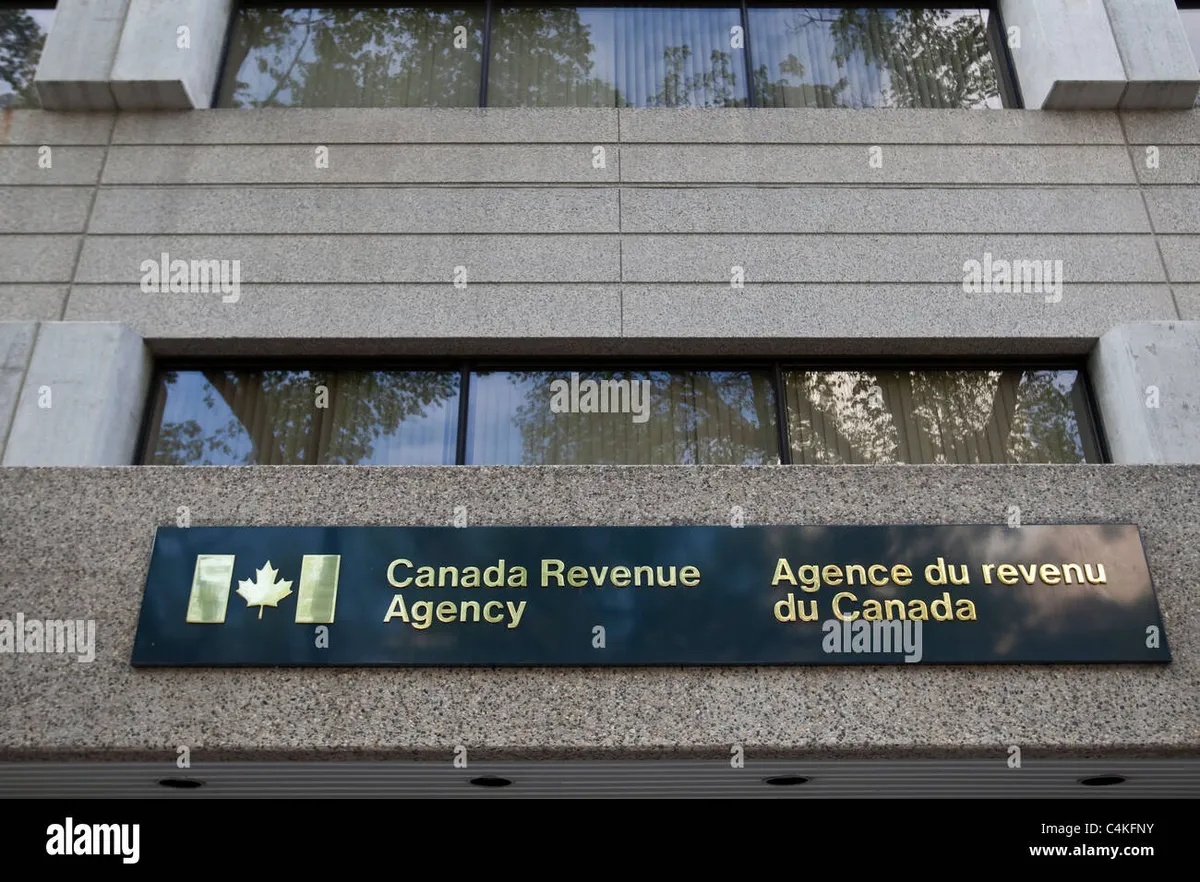
The question on many Canadians’ minds is: what does the upcoming increase in the federal minimum wage to $18.15 per hour mean for workers? The answer is significant, as this change is designed to enhance financial stability and security for low-income workers.
Effective April 1, 2026, the federal minimum wage will rise to $18.15 per hour, a move that applies to federally regulated businesses. This adjustment is part of a broader strategy by the government to index the minimum wage to inflation, ensuring that the wage floor keeps pace with the cost of living.
Employment and Social Development Canada (EDSC) has emphasized that “the regular update of the minimum wage protects the wage floor that workers rely on and strengthens the standard for fair compensation.” This statement underscores the importance of maintaining a wage that can support workers in an increasingly expensive economy.
Minister of Employment Patty Hajdu has also highlighted that this approach contributes to supporting incomes and preserving high labor standards for all workers. By indexing the minimum wage, the government aims to protect those in low-paying jobs, ensuring they are not left behind as prices rise.
The Canadian Labour Standards Board (CGSLB) has reiterated the necessity of strong social dialogue for worker protection and economic stability. Gert Truyens, a representative from the CGSLB, noted, “Social concertation is not a brake, it is a solution,” suggesting that collaborative efforts are crucial in addressing labor issues.
As the date approaches, many are left wondering how this increase will impact various sectors and the overall economy. While the government is optimistic about the benefits, the real-world effects on businesses and employment rates remain to be seen.
Details remain unconfirmed regarding how businesses will adapt to this wage increase, particularly in sectors that traditionally rely on lower wage structures. The balance between fair compensation and economic viability will be a critical discussion point as the implementation date nears.
In summary, the rise in the minimum wage to $18.15 is a pivotal moment for workers in Canada, aimed at fostering a more equitable labor market. However, the implications of this change will unfold over time, revealing both challenges and opportunities for the workforce.