“On sait très bien que parmi les demandeurs d’asile et les réfugiés, il y a énormément de gens qui ont subi des violences extrêmes,” said Janet Cleveland, highlighting the dire circumstances faced by many asylum seekers. Canada has limited psychotherapy sessions for these individuals to just ten per year, raising alarm about the adequacy of mental health support in a country known for its humanitarian values.
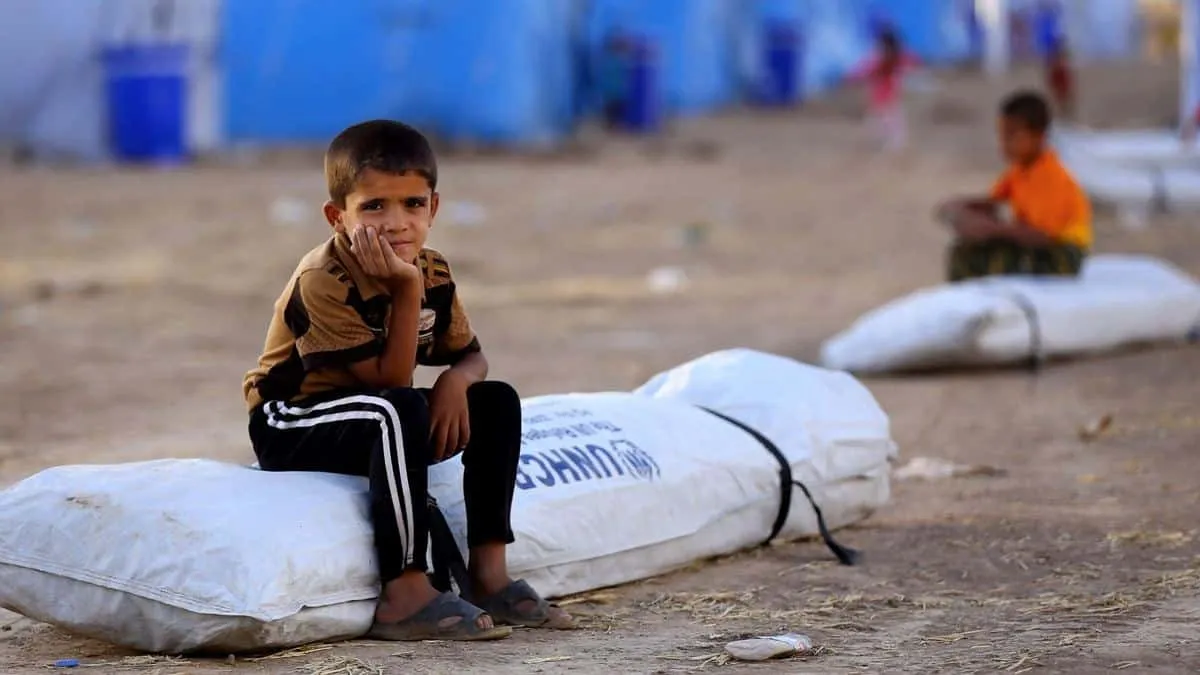
This decision comes amid ongoing discussions about healthcare access for vulnerable populations. Asylum seekers and refugees often arrive with traumatic experiences—many fleeing war-torn countries like Syria and Afghanistan. Limiting their therapy sessions could exacerbate existing mental health issues.
Currently, Canada’s Interim Federal Health Program offers some healthcare services to refugees. However, starting in May 2026, beneficiaries must pay for certain medications and services—a move that could further strain their already limited resources.
In contrast, European nations are making strides to support unaccompanied minors. Up to 60 unaccompanied children are heading to Portugal from Greek camps, where at least 5,200 minors live under harsh conditions. Countries like Germany and the UK have also welcomed hundreds of these vulnerable children.
Key statistics on unaccompanied children:
- The UK is currently hosting 50 unaccompanied children from Greek camps.
- Germany has welcomed 47 unaccompanied children aged 3 to 15.
- Luxembourg has taken in 12 unaccompanied children from Greece.
Daphnée-Sarah Ferfache expressed concern, stating, “Là, on me demande de faire ça avec des patients gravement traumatisés en 10 rencontres.” This sentiment underscores the challenges therapists face when working with severely traumatized individuals under such constraints.