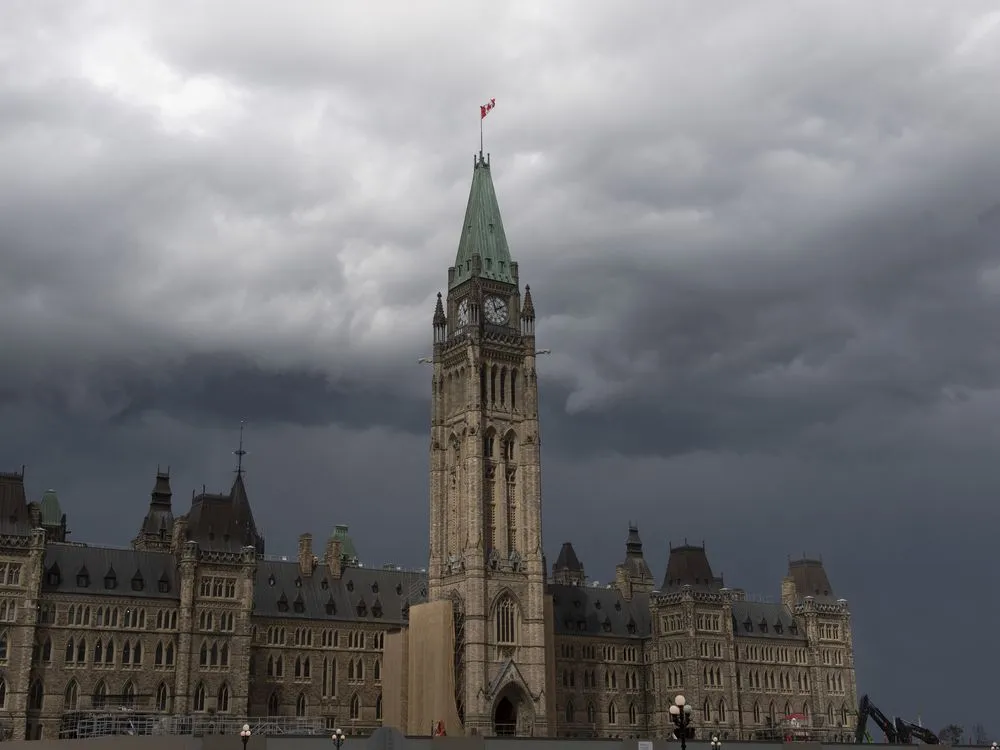
The potential for proroguing Parliament has been a hot topic in Canadian politics, especially as the nation approaches three crucial byelections on April 13. Mark Carney, the current leader of the Liberal Party, has firmly stated that he is “absolutely not” considering this option, which would effectively end the current parliamentary session and reset the agenda of the House.
Carney’s comments come as the Liberals seek to secure a thin majority government by winning at least two out of the three byelections in Toronto’s University-Rosedale and Scarborough Southwest, as well as the Quebec riding of Terrebonne. If successful, the Liberals would hold 172 seats in the House of Commons, equating their votes to those of the combined opposition parties.
With advance polls open from April 3 to 6, the stakes are high. Carney expressed surprise at the mere suggestion of proroguing Parliament, emphasizing that his focus remains on working with Parliament to pass legislation. “It has never even entered my thinking, the possibility of [proroguing],” he stated, dismissing the notion as unfounded.
Historically, prorogation has been used without controversy, but its reputation has soured since the 2008 parliamentary dispute, leading many to view it as a political maneuver. Nelson Wiseman, a political analyst, noted that proroguing would likely be perceived negatively in the current context.
Adding to the complexity, the Speaker of the House, Francis Scarpaleggia, is expected to vote to maintain the status quo, which could further complicate matters if the Liberals do not achieve a majority. If they fail to win all three byelections, they may struggle to pass motions aimed at changing committee compositions.
Interestingly, a motion passed in June has locked in committee standings for the duration of Parliament, meaning that prorogation would not reset these standings, which could limit the government’s ability to maneuver legislatively.
Philippe Bolduc, a procedural expert, suggested that while Carney may not be actively considering proroguing, it could still be viewed as a management option for the House. The implications of such a move on the legislative agenda remain unclear.
As the byelections approach, the political landscape in Canada is poised for potential shifts. Details remain unconfirmed regarding how the Speaker would vote in a tie situation if the Liberals do not achieve a majority, leaving the future of the legislative agenda uncertain.