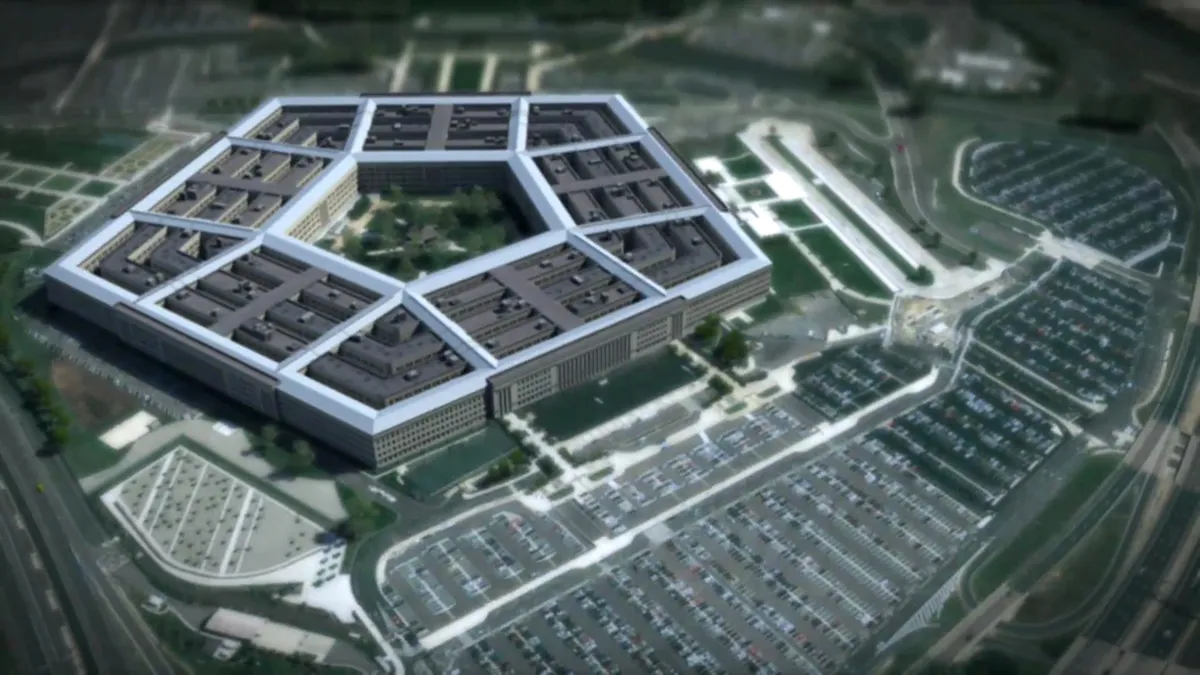
The Pentagon has significantly tightened restrictions on journalists covering defense issues, a move that threatens to undermine independent reporting at a time when clear, unfiltered information about the military is in high demand. The long-used ‘correspondents’ corridor’ has been closed, and many media accreditations have been revoked, effectively limiting the ability of journalists to operate within the building.
Press workspaces have been relocated outside the main Pentagon structure, and all journalist access now requires an escort by authorized personnel. This shift comes in the wake of a federal judicial decision that blocked a previous accreditation policy, deemed unconstitutional, which had already led to the withdrawal of accreditations for most major media outlets.
The National Press Club has voiced strong opposition to the new policy, stating, “The new policy limits journalists’ capacity to carry out their work and undermines independent reporting at a time when clear unfiltered information about the military is in demand.” This sentiment highlights a growing concern among media professionals regarding their ability to report effectively on defense matters.
The Pentagon’s spokesperson has framed these changes as necessary due to security risks, a justification that may strengthen the department’s operational control over sensitive spaces. However, this framing raises questions about transparency and accountability in military reporting.
As the situation evolves, the Pentagon plans to appeal the court ruling regarding the accreditation policy. This appeal could lead to a negotiated operational settlement that might allow for the reopening of an annex with timely access points, limiting escorted coverage to secure movements while reinstating routine press functions.
However, the outcome of this appeal remains uncertain. If upheld, stricter controls may continue, resulting in prolonged restricted access and further erosion of permanent press facilities. This scenario could lead to a sustained narrowing of who can report from inside the building.
Details remain unconfirmed regarding the timing of the planned annex and the potential for a negotiated settlement. The long-term effects on media access are also unclear, leaving journalists and the public alike in a state of uncertainty about the future of defense reporting.