Reaction from the field
As Passover approaches on April 1, 2026, Jewish communities around the world are preparing to commemorate a pivotal moment in their history: the Exodus from slavery in Egypt. This year, however, the significance of the holiday is underscored by rising antisemitism and geopolitical tensions, particularly the ongoing U.S.-Israel conflict with Iran. The stakes are high as the holiday, which is the most observed Jewish holiday in America according to Rabbi Motti Seligson, serves as a reminder of resilience and faith amid adversity.
Passover, known as Pesach in Hebrew, is celebrated over the course of a week each spring, with observant Jews adhering to specific dietary restrictions. During this time, they avoid various grains known as chametz, opting instead for matzo, a crisp, unleavened bread that symbolizes their ancestors’ hasty departure from Egypt. The observance of these traditions is not merely ritualistic; it is a profound act of cultural identity and remembrance.
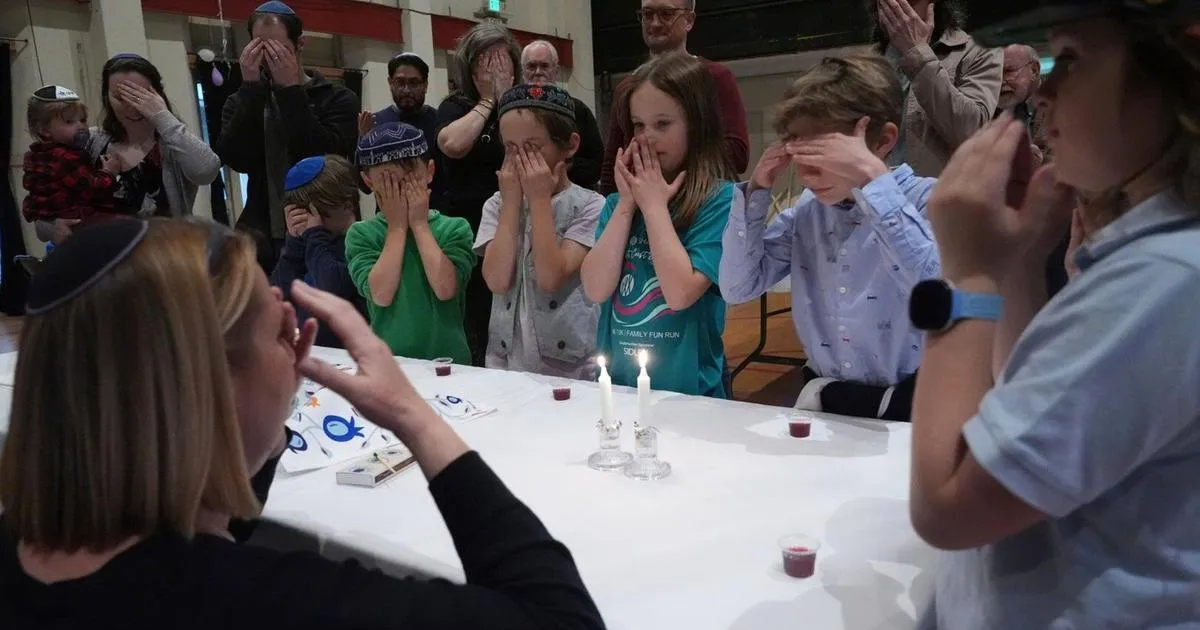
The central event of Passover is the Seder, a ceremonial meal where families gather to recount the story of the Exodus. Participants use a Haggadah, a text that outlines the readings and rituals of the evening, guiding them through the narrative. The Seder is not just a passive experience; it actively involves children, who partake in traditions such as searching for the afikomen, a piece of matzo hidden during the meal. This engagement fosters a sense of community and continuity, vital in times of uncertainty.
In the face of rising antisemitism, many Jewish community centers are stepping up to host gatherings, creating spaces for solidarity and support. Chabad, a prominent Jewish organization, plans to host thousands at communal Seders across various countries, emphasizing the importance of coming together during challenging times. These gatherings are more than just meals; they are acts of defiance against hate and a reaffirmation of identity.
The historical context of Passover adds layers to its observance. Tradition teaches that in every generation, Jews ought to view themselves as if they personally had gone out of Egypt, a powerful reminder of the ongoing struggle for freedom and justice. This year, as communities reflect on their past, they are also acutely aware of the present challenges they face, including the threats posed by rising antisemitism and geopolitical instability.
As the holiday approaches, the atmosphere is charged with both hope and anxiety. The communal Seders will serve as a platform for dialogue and reflection, allowing participants to confront their fears while celebrating their heritage. The need for unity and resilience has never been more pronounced, as communities navigate the complexities of their identities in a world that often feels hostile.
Looking ahead, the impact of these tensions on the observance of Passover remains to be seen. Will the sense of community and tradition be enough to counter the rising tide of antisemitism? Details remain unconfirmed as communities prepare for a holiday that is as much about remembrance as it is about hope for the future. The coming days will reveal how these dynamics play out during one of the most significant celebrations in the Jewish calendar.