The wider picture
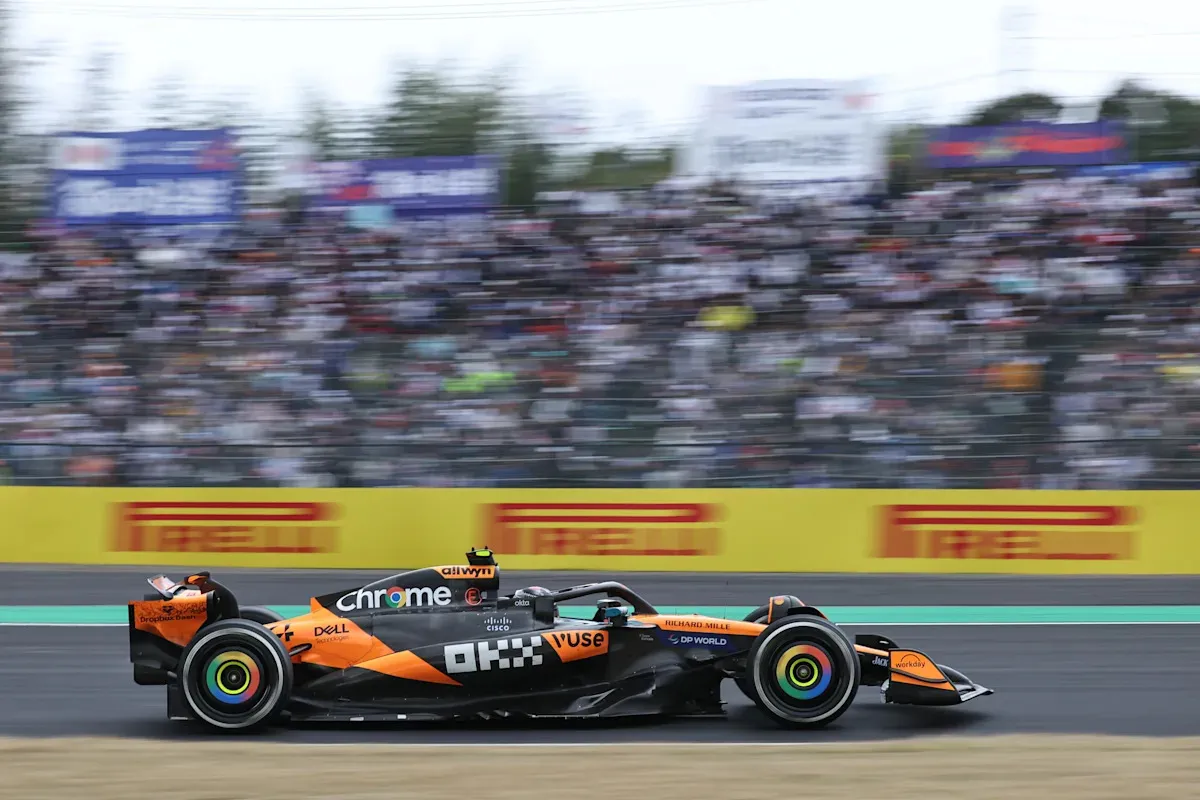
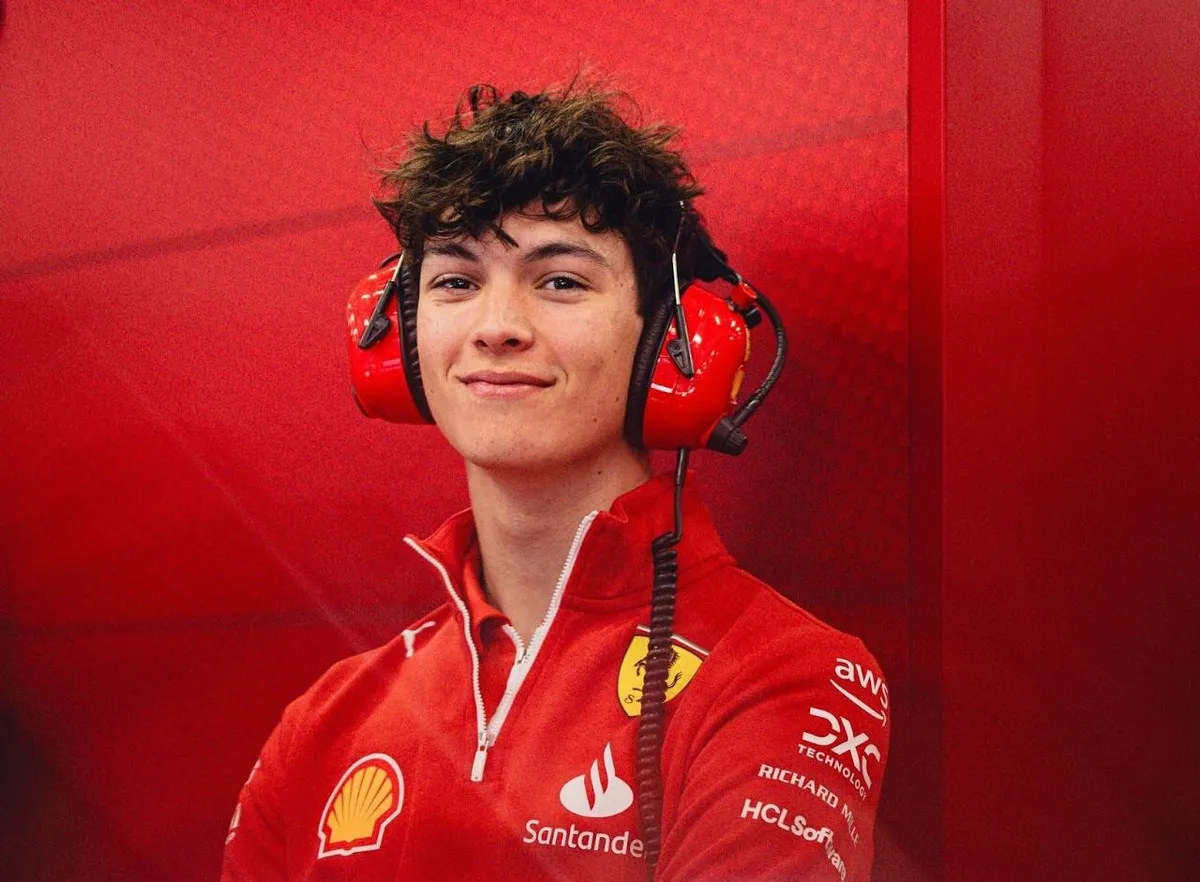
In recent years, Formula 1 has been under scrutiny for the safety of its drivers, particularly in light of the dramatic speed differences created by the introduction of new hybrid engines. This ongoing concern was tragically underscored during the Japanese Grand Prix on March 29, 2026, when Ollie Bearman, driving for Haas F1, was involved in a serious crash at the infamous ‘Spoon’ corner. The incident, which occurred at a staggering speed of 190 mph (approximately 308 km/h), resulted in Bearman losing control of his car and experiencing a crash that registered an alarming 50G impact.
Bearman was immediately taken to the FIA medical centre following the crash, where it was confirmed that he sustained a right knee contusion but thankfully no fractures. The incident not only raised immediate concerns for Bearman’s health but also triggered a safety car deployment during the race, further highlighting the precarious nature of racing at such high speeds.
In the aftermath, fellow driver Carlos Sainz expressed his frustration with the FIA, criticizing the organization for ignoring repeated warnings from drivers about the dangers posed by the high closing speeds on the track. “With the accident with Ollie, we’ve been warning them with these closing speeds that this was going to happen,” Sainz remarked, emphasizing the urgent need for reforms to enhance driver safety.
Sainz’s comments reflect a broader sentiment among drivers who feel that their concerns are not being adequately addressed. “I hope it serves as one example, if they listen to teams and drivers… the racing is clearly not OK,” he added, underscoring the need for immediate action to prevent future incidents.
The FIA has acknowledged the gravity of the situation, stating that they will hold meetings in April to discuss the safety concerns raised by drivers. Following the accident involving Bearman, the FIA released a statement indicating their intention to clarify the circumstances surrounding the crash and the role of high closing speeds in contributing to the incident.
Despite the FIA’s commitment to addressing these issues, there remains skepticism among drivers and teams regarding the effectiveness of such measures. Sainz expressed his surprise at the FIA’s decision to prioritize qualifying over racing safety, stating, “Yeah, that’s why I was so surprised when they said, ‘No, we will sort out qualifying and leave the racing alone, because it’s exciting.'” This sentiment reflects a growing frustration within the paddock about the perceived prioritization of entertainment over safety.
As the motorsport community processes the implications of Bearman’s crash, the calls for reform are likely to intensify. Observers are keenly watching how the FIA will respond to the mounting pressure from drivers and teams alike. The outcome of the upcoming meetings may very well determine the future safety protocols within Formula 1, as the sport grapples with balancing the thrill of racing against the fundamental need to protect its drivers.
In the coming weeks, the focus will be on the FIA’s actions and whether they will take decisive steps to address the safety concerns that have been highlighted by this incident. The hope is that Ollie Bearman’s crash will serve as a catalyst for meaningful change in the sport, ensuring that the safety of drivers remains the top priority in Formula 1.