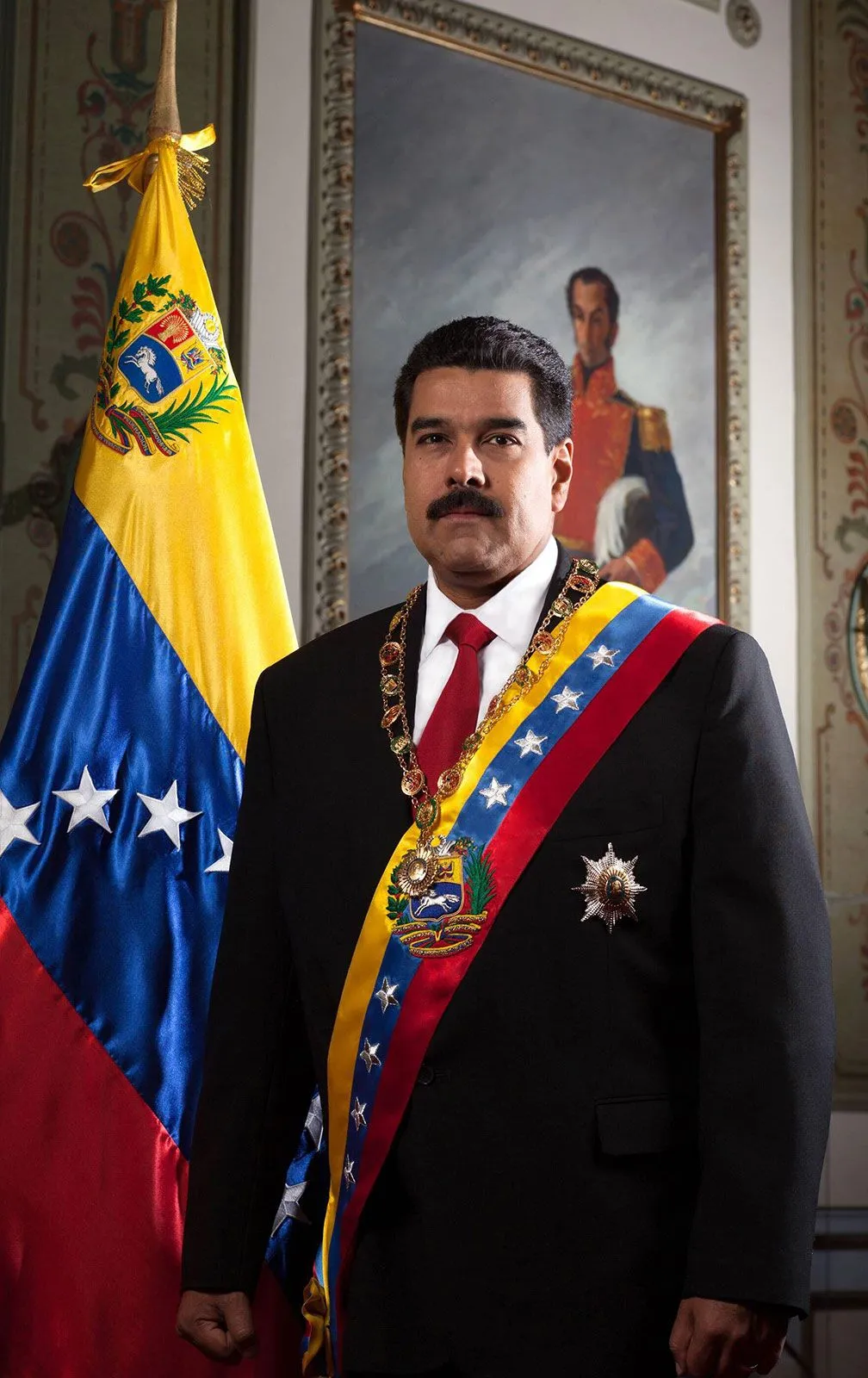
A U.S. soldier has been charged with insider trading after allegedly profiting from classified information regarding the capture of Venezuelan President Nicolás Maduro. This incident marks a significant shift in how insider trading is perceived, particularly within the realm of military operations.
Before this development, there was widespread speculation about Maduro’s political future but little indication that a direct operation was imminent. The planning for his capture began on December 8, 2025 — a timeline that highlights the gravity of the situation.
On January 5, 2026, Maduro and his wife were arrested in Manhattan, a decisive moment that not only impacted Venezuelan politics but also exposed vulnerabilities within U.S. military ranks. Gannon Ken Van Dyke, a special forces officer involved in the operation, allegedly made over $400,000 by betting on Maduro’s removal using classified information.
Van Dyke placed bets on Polymarket, wagering $33,000 on whether Maduro would be out of office by January 31, 2026. This level of profit — a staggering 1,242% return — raises serious ethical questions about the intersection of prediction markets and national security.
The Justice Department has taken this unusual approach seriously; they announced Van Dyke’s indictment for wire fraud and commodities fraud shortly after the arrests. This is the first instance where insider trading on a prediction market has led to prosecution — a landmark case that could set precedents.
James C Barnacle Jr., an attorney involved in the case, stated that “Gannon Ken Van Dyke allegedly betrayed his fellow soldiers by utilizing classified information for his own financial gain.” Such allegations bring into question not only individual accountability but also broader implications for military integrity.
Polymarket responded by asserting that “insider trading has no place on Polymarket” and emphasized that this arrest demonstrates their commitment to maintaining a fair betting environment. Yet, it’s important to consider whether such platforms can ever be entirely insulated from unethical practices.
Still, uncertainties linger around Van Dyke’s legal representation and potential defenses as he faces serious charges — up to 20 years for wire fraud alone. The ramifications extend beyond him; they touch upon how we view classified information in contexts outside traditional military frameworks.
This incident serves as a stark reminder of the delicate balance between national security and personal profit motives. As we examine these developments closely, one thing remains clear: the stakes have never been higher in both Venezuelan politics and U.S. military operations.