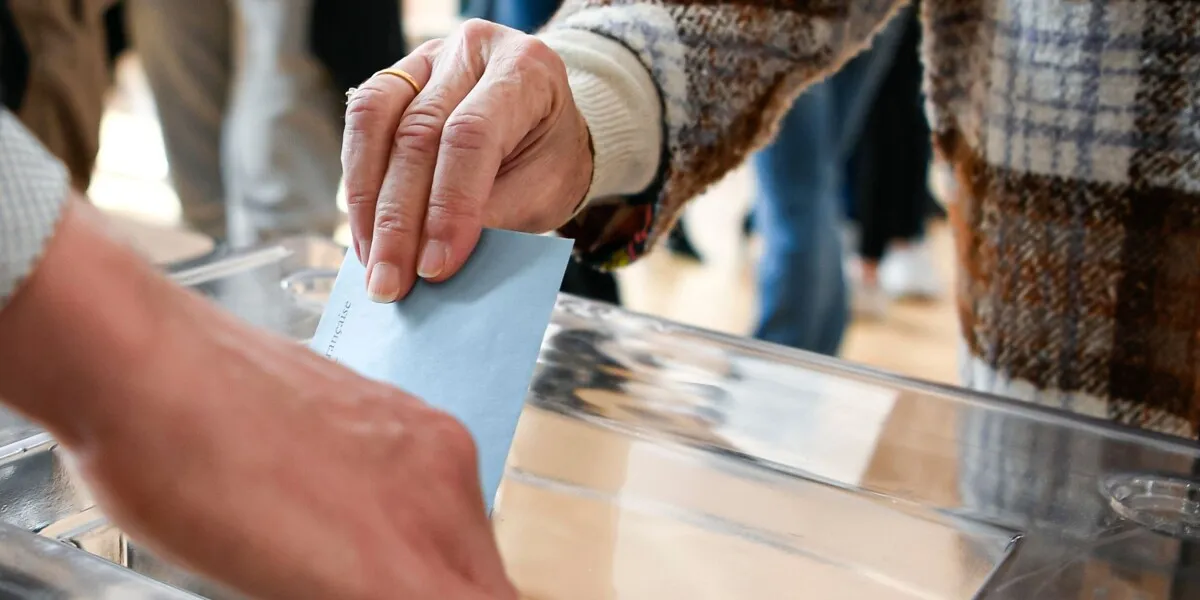
As the dust settles from the municipal elections held on March 22, 2026, France’s political landscape has been notably reshaped. The elections, which involved approximately 1,500 communes, were viewed as a significant test for various political parties ahead of the 2027 presidential race.
Emmanuel Grégoire emerged victorious in Paris, securing 53.1% of the vote, a result that underscores the continued support for his leadership. In Lyon, Grégory Doucet was re-elected with the same percentage, indicating a strong preference for continuity in major urban centers.
Meanwhile, in Marseille, Benoît Payan claimed victory with a slightly higher margin of 54.6%. His win reflects a desire for stability in a city that has faced challenges in recent years. A voter in Marseille expressed frustration with the previous administration, stating, “I want change. Marseille has gone downhill since this mayor has been in office.” This sentiment may have influenced the election outcome.
In Nice, Eric Ciotti led with 47.7%, demonstrating the right’s resilience in local politics. However, the National Rally (RN) faced setbacks, falling short in Toulon and Nîmes despite strong performances. Political expert Anne Muxel noted, “It’s true that these 2026 municipal elections do not mark a landslide for the National Rally – far from that.” This indicates a potential limit to the party’s influence in urban areas.
Turnout for the elections was estimated at around 57%, with a notable abstention rate of 43%. Loïc Février remarked, “When things are a bit tense between two candidates, it’s abstention that can make the difference.” This highlights the importance of voter engagement in shaping election results.
In Paris, the left faced challenges, with LFI candidate Sophia Chikirou finishing third with under 10% of the vote. This outcome raises questions about the left’s strategy moving forward, especially as they prepare for the upcoming presidential elections.
Former Prime Minister Edouard Philippe also secured re-election in Le Havre, reinforcing his political relevance. The right claimed victories in Clermont-Ferrand and Brest, further solidifying their position in local governance.
As mayors and municipal councilors are elected for six years, the implications of these results will resonate well into the future. The elections serve as a precursor to the broader political dynamics expected in the lead-up to the next presidential race.
Overall, the 2026 municipal elections reflect a complex interplay of voter sentiment, party strategy, and the evolving political landscape in France. The outcomes will undoubtedly influence the strategies of various parties as they gear up for the challenges ahead.