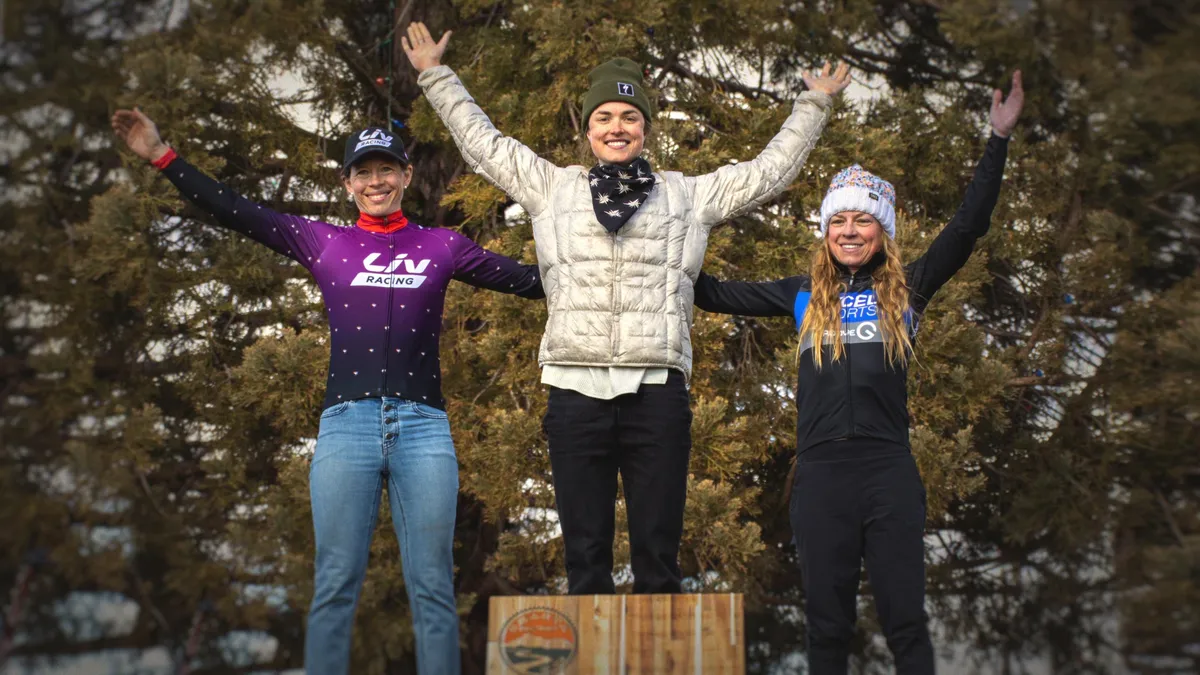
Before the tragic events of May 11, 2022, Moriah Wilson was a rising star in the cycling world, celebrated for her talent and vibrant personality. At just 25 years old, she was known affectionately as ‘Mo’ and had recently gained attention for her brief romance with fellow cyclist Colin Strickland. Her future appeared bright, filled with potential and promise.
However, the landscape shifted dramatically when Wilson was murdered in Austin, Texas. The decisive moment came when Kaitlin Armstrong, a romantic rival, shot Wilson out of jealousy over Strickland. The timeline of events is chilling: Wilson was dropped off at a friend’s apartment at 8:30 PM, and by 9:15 PM, Armstrong had fired the fatal shots.
The immediate aftermath of Wilson’s murder was a whirlwind of grief and shock. Her parents, Karen and Eric Wilson, were over 2,000 miles away when they received the devastating news. The community mourned her loss, and friends like Caitlin Cash, who discovered Wilson’s body, were left grappling with the trauma of that night.
Law enforcement quickly launched an investigation, which led to Armstrong’s arrest 43 days later in Costa Rica. The case captured national attention, highlighting the tragic intersection of love, rivalry, and violence. In a courtroom filled with emotion, Armstrong was convicted of first-degree murder and sentenced to 90 years in prison.
Experts have weighed in on the implications of this case, noting that it underscores the dangers of jealousy and the extreme lengths to which individuals may go when faced with perceived threats to their relationships. Marina Zenovich, a filmmaker who chronicled Wilson’s story, remarked on the profound impact of her death, stating, “It was like my whole crew was crying, and I’m talking about grown men.”
Wilson’s legacy continues through the Moriah Wilson Foundation, which hosts an annual ‘Ride For Mo’ event to honor her memory and promote cycling. Her parents have expressed hope for positive change stemming from this tragedy, with Karen Wilson stating, “While there is hope there is life.”
As the cycling community reflects on Wilson’s life and untimely death, the documentary “The Truth and Tragedy of Moriah Wilson” serves as a poignant reminder of her impact and the circumstances that led to her murder.
In the years since, the case has prompted discussions about mental health, rivalry, and the need for awareness around relationship dynamics. Caitlin Cash poignantly shared, “I go home every night to my house after watching video after video of it all day here, and there’s Mo’s ashes, sitting on my bedside table waiting for me.” This sentiment encapsulates the ongoing grief and the desire for justice that persists in the wake of such a tragic loss.