How it unfolded
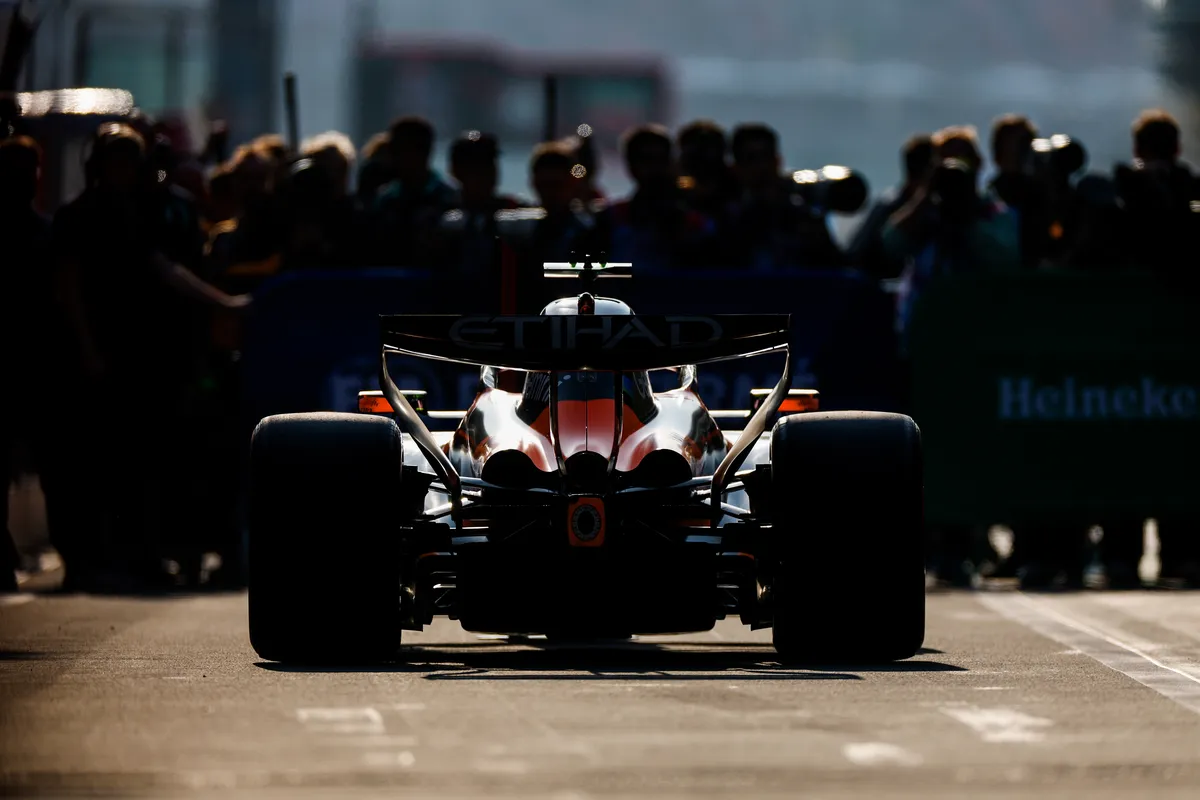
The atmosphere in Shanghai was electric as fans gathered for the much-anticipated Chinese Grand Prix. McLaren F1 had high hopes for the race, especially with Lando Norris qualifying in P6 and Oscar Piastri in P5. However, just before the race was set to begin, the team encountered unforeseen challenges that would alter the course of their day.
On race day, as the drivers prepared to take their positions on the grid, both Norris and Piastri faced critical electrical issues that prevented them from starting the race. This marked a historic moment for Norris, as it was the first time in his career that he did not start a Formula 1 race. The disappointment was palpable, not only for the drivers but for the entire McLaren team, who had invested considerable effort in their preparations.
Andrea Stella, the team principal, addressed the situation, stating, “We are here to go racing, and today we were not in condition to do so because of separate electrical problems on both power units.” The team is currently investigating these electrical faults in collaboration with their partners at Mercedes HPP, aiming to identify the root causes of the issues.
Lando Norris expressed his frustration, saying, “It’s disappointing to come such a long way and put in so much effort, not just me but the whole team, and to not start the race.” He further added, “Just unlucky, frustrating, but nothing we can do now. We just have to fix the issue, make sure it doesn’t happen again and focus on the next one.” This sentiment reflects the team’s determination to overcome the setbacks they faced in Shanghai.
While the McLaren team struggled, Kimi Antonelli seized the opportunity to claim his first Formula 1 Grand Prix victory, showcasing the unpredictable nature of motorsport. The race was held over a challenging 56-lap circuit, but for McLaren, the day ended before it truly began.
Historically, this incident is significant for McLaren, as the last driver to experience two consecutive Did Not Starts (DNS) was the team’s founder, Bruce McLaren, in 1969. This connection to the past highlights the ongoing challenges the team faces in terms of performance and reliability.
As the team looks ahead, they are focused on resolving the electrical issues before the next race in Suzuka. The urgency to rectify these problems is paramount, as the team aims to regain their competitive edge in the championship. The events at the Chinese Grand Prix serve as a reminder of the unpredictable nature of racing and the resilience required to succeed in Formula 1.
Details remain unconfirmed regarding the specific nature of the electrical faults, but the McLaren team is committed to ensuring that such issues do not hinder their performance in future races.