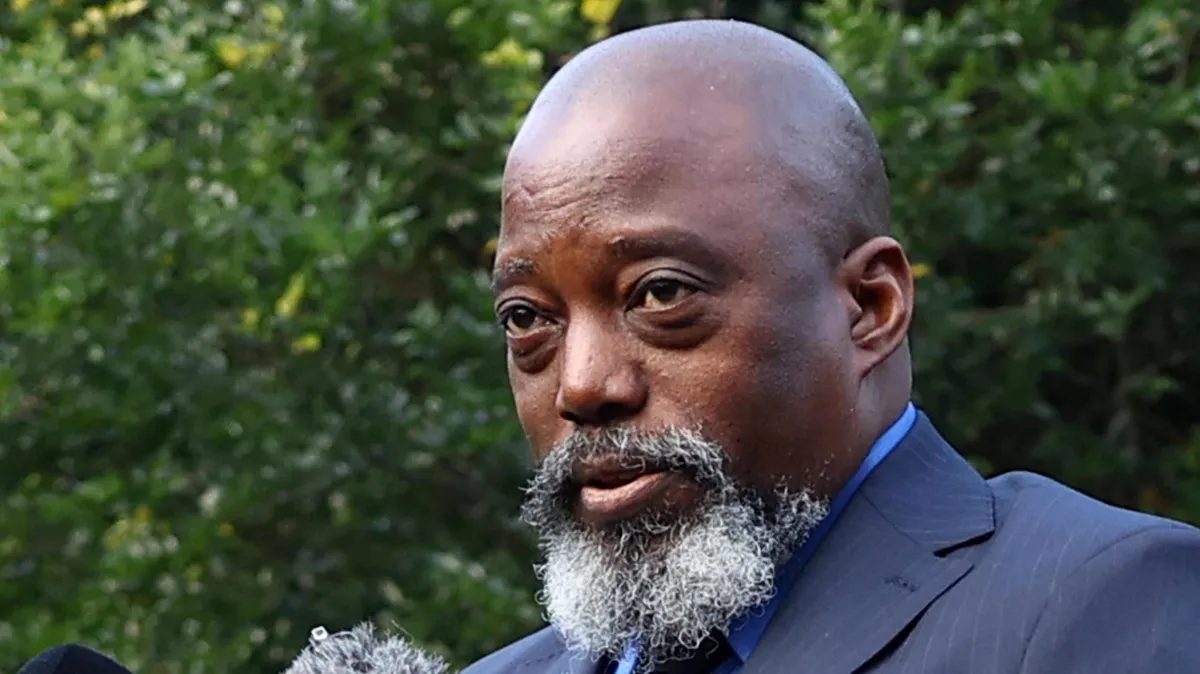
Joseph Kabila has dismissed US sanctions as politically motivated while the DRC government welcomes them as a step against impunity. The former president faces severe allegations, including supporting the M23 rebel group.
Kabila’s assets in the United States are frozen, effectively barring American citizens and companies from engaging in business with him. The sanctions stem from accusations that he provided financial and logistical support to the M23 and the Congo River Alliance—both implicated in ongoing political instability in the region.
The M23 has seized large areas of eastern DRC, exacerbating tensions and violence. This armed group is known to be backed by Rwanda, further complicating an already fraught geopolitical landscape. The US Treasury claims that Kabila encouraged defections within the Congolese army, which raises questions about his influence over military actions.
Kabila ruled the DRC for 18 years until 2019 and was sentenced to death in absentia for treason related to these allegations. His current whereabouts remain unknown, adding another layer of intrigue to this unfolding situation.
Key reactions:
- Kabila described the US decision to blacklist him as “profoundly unjustified, politically motivated and based on unsubstantiated accusations.”
- The DRC government noted that these sanctions have “operational implications” by restricting Kabila’s capacity for mobilizing financial or logistical support that could prolong conflict.
- Scott Bessent stated, “President Trump is paving the way for peace in the Democratic Republic of the Congo,” emphasizing accountability for those who foster instability.
As this situation evolves, observers are left pondering what further actions might be taken against Kabila and how this will affect the broader peace efforts between the DRC and Rwanda.