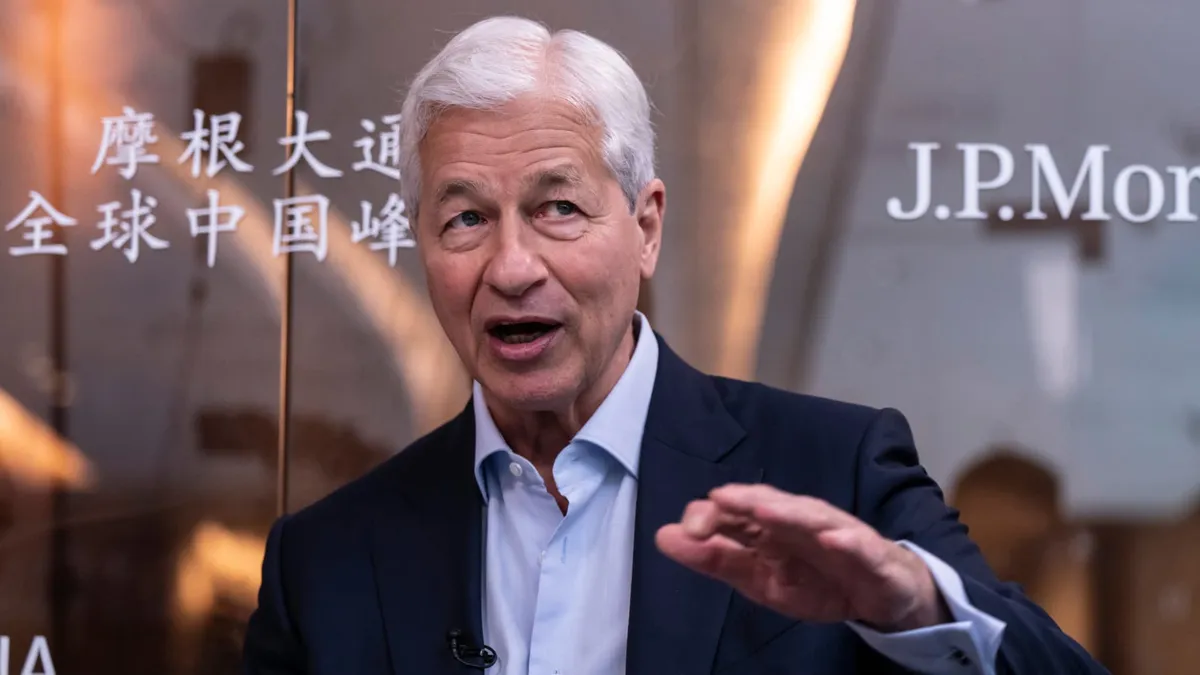
Analysts at J.P. Morgan have recently indicated that the United Arab Emirates’ exit from OPEC, effective May 1, could lead to increased U.S. investment as the nation strives to enhance its oil production capacity.
The UAE has frequently clashed with fellow OPEC and OPEC+ producers over quotas—this discord has now culminated in its decision to pursue national interests more aggressively.
While J.P. Morgan analysts acknowledge that the UAE’s departure will not bring immediate changes due to the ongoing crisis at the blocked Strait of Hormuz, they also note that it positions the UAE for future growth.
Key facts:
- The UAE aims to boost its crude oil production capacity to 5 million barrels per day (bpd) by 2027.
- Last year, the UAE accounted for over 11% of OPEC’s oil production.
- The blocked Strait of Hormuz has led to estimated losses of around 10 million bpd.
- Theoretically, the UAE could pump an additional 1.5 million bpd of crude above current levels.
Reactions from other analysts suggest a cautious optimism. Barclays stated that once the Strait of Hormuz crisis is resolved, the UAE is poised to accelerate its oil production growth.
Amrita Sen commented on the situation, asserting that OPEC’s ability to influence oil prices will not change significantly with the UAE’s exit.
This scenario raises questions about how much leverage OPEC will maintain in stabilizing global oil markets without one of its key players.