“They have not yet paid a big enough price for what they have done to Humanity, and the World, over the last 47 years,” stated Donald Trump regarding Iran’s recent proposal to resolve the ongoing war within 30 days.
This proposal includes lifting U.S. sanctions, ending the naval blockade, withdrawing forces, and ceasing hostilities. While Iran presents this as a path toward peace, skepticism looms over its feasibility — particularly from U.S. officials.
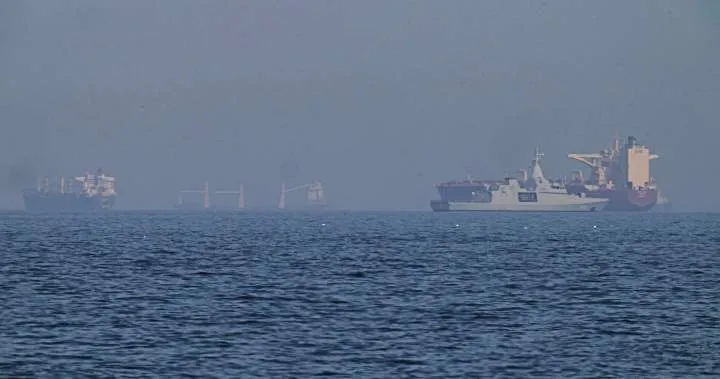
The backdrop of this situation is critical. The U.S. war on Iran began on February 28, 2023, leading to numerous military operations in the region and a series of attacks on commercial shipping near the Strait of Hormuz. A cargo ship was attacked recently, marking at least two dozen such incidents since the conflict escalated.
Additionally, economic pressures weigh heavily on Iran. The rial has weakened further against the dollar, now trading at an alarming rate of 1,840,000 rials. This economic instability is exacerbated by stringent U.S. sanctions that have crippled the Iranian economy.
Key facts:
- Iran’s proposal aims to resolve issues with the U.S. in just 30 days.
- The U.S. has warned shipping companies that they could face sanctions for paying Iran to transit the strait safely.
- Opinion polls indicate only 26% of Americans believe the military campaign in Iran has been worth its costs.
As tensions rise, U.S. intelligence agencies are closely analyzing how Iran might respond if Trump were to declare unilateral victory in this drawn-out conflict. The situation remains fluid — no timeline has been shared regarding further negotiations or military strategies.
The stakes are high not just for Iran but for global oil markets as well; approximately 20% of the world’s crude oil passes through the Strait of Hormuz. Any disruption here could have far-reaching implications.