Since February 28, when the US and Israel launched a war on Iran, the country has effectively taken control of the strategic Strait of Hormuz. This vital waterway is crucial for global oil and liquefied natural gas shipments, accounting for approximately one-fifth of the world’s energy supply. The ongoing conflict has led to significant disruptions in maritime traffic, raising concerns about the stability of energy markets worldwide.
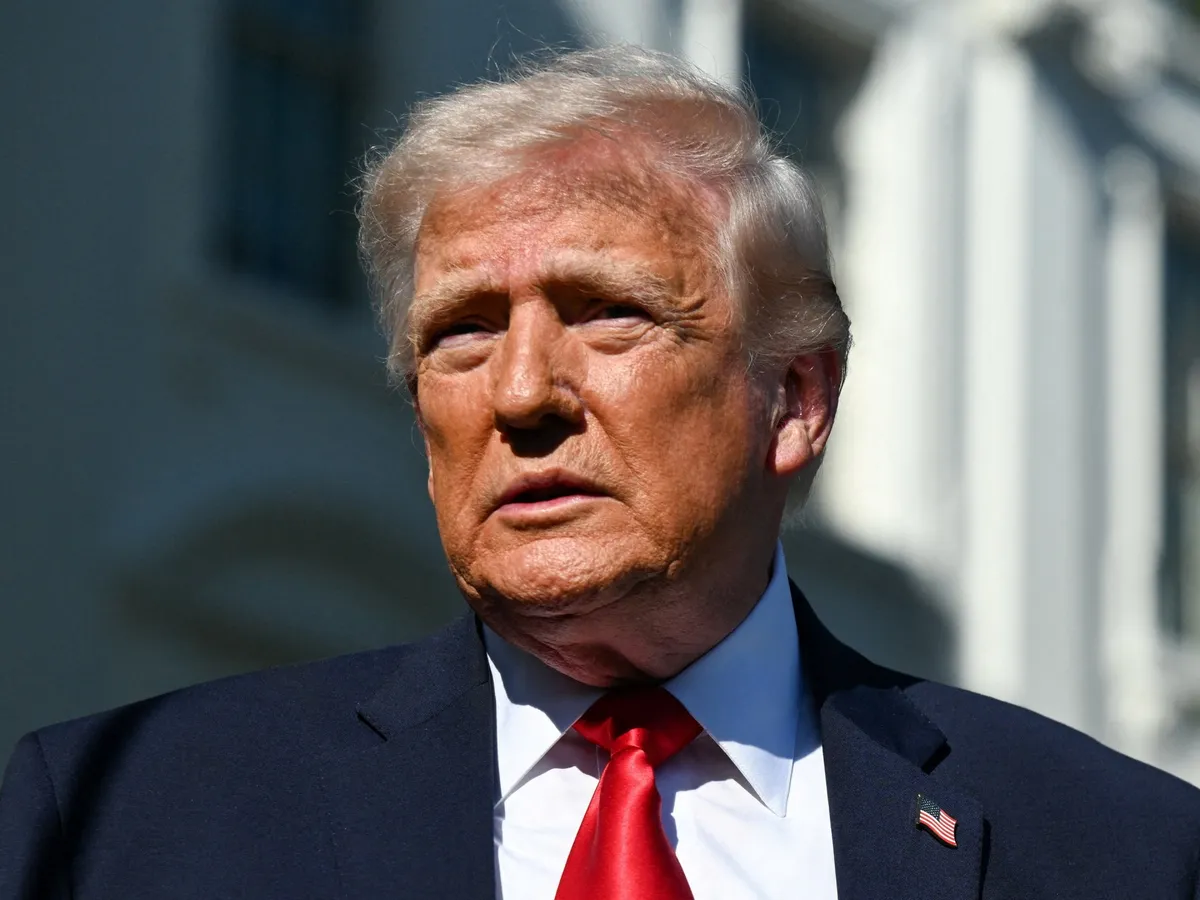
In a recent development, President Donald Trump announced that the US Navy would commence a blockade of the Strait of Hormuz immediately after peace talks with Iran ended without an agreement. Trump stated, “Effective immediately, the United States Navy, the Finest in the World, will begin the process of BLOCKADING any and all Ships trying to enter, or leave, the Strait of Hormuz.” This aggressive stance marks a significant escalation in the ongoing tensions between the US and Iran.
Iran’s Islamic Revolutionary Guard Corps (IRGC) has responded by warning that military vessels approaching the strait would be viewed as violating the ceasefire, further complicating the situation. The IRGC’s statement underscores Iran’s determination to maintain its control over this critical maritime route.
Trump has accused Iran of extortion, claiming that the US Navy would interdict vessels that have paid Iran a toll to traverse the strait. This assertion raises questions about how the US will determine which vessels have paid such tolls and whether force will be used against foreign-flagged ships that ignore the blockade.
Additionally, Trump mentioned that the blockade would involve unspecified “other countries,” with the UK and others reportedly sending minesweeper vessels to assist the US effort. This coalition approach could further internationalize the conflict, drawing in nations that depend on Iranian oil.
Despite the blockade, Iran has allowed a limited number of vessels from other countries to pass through the strait since the war began. This selective passage indicates Iran’s awareness of its leverage over global oil markets and its strategic importance in the region.
Democratic lawmakers have criticized Trump’s comments regarding the blockade, with Senator Mark Warner expressing skepticism about the effectiveness of such measures. He stated, “I don’t understand how blockading the strait is somehow going to push the Iranians into opening it.” This sentiment reflects broader concerns about the potential for escalation and the impact on global oil prices.
Observers note that Iran’s control over the Strait of Hormuz remains a critical factor in the ongoing geopolitical landscape. Ali Hashem remarked, “Iran knows that controlling the Strait of Hormuz is still their main leverage,” highlighting the strategic significance of this waterway.
As the situation develops, uncertainties abound. Details remain unconfirmed regarding how the US will enforce the blockade, the potential for military confrontations, and the reactions of nations reliant on Iranian oil. Furthermore, the risks associated with mine-clearing activities may place American naval vessels at greater risk of Iranian attacks.