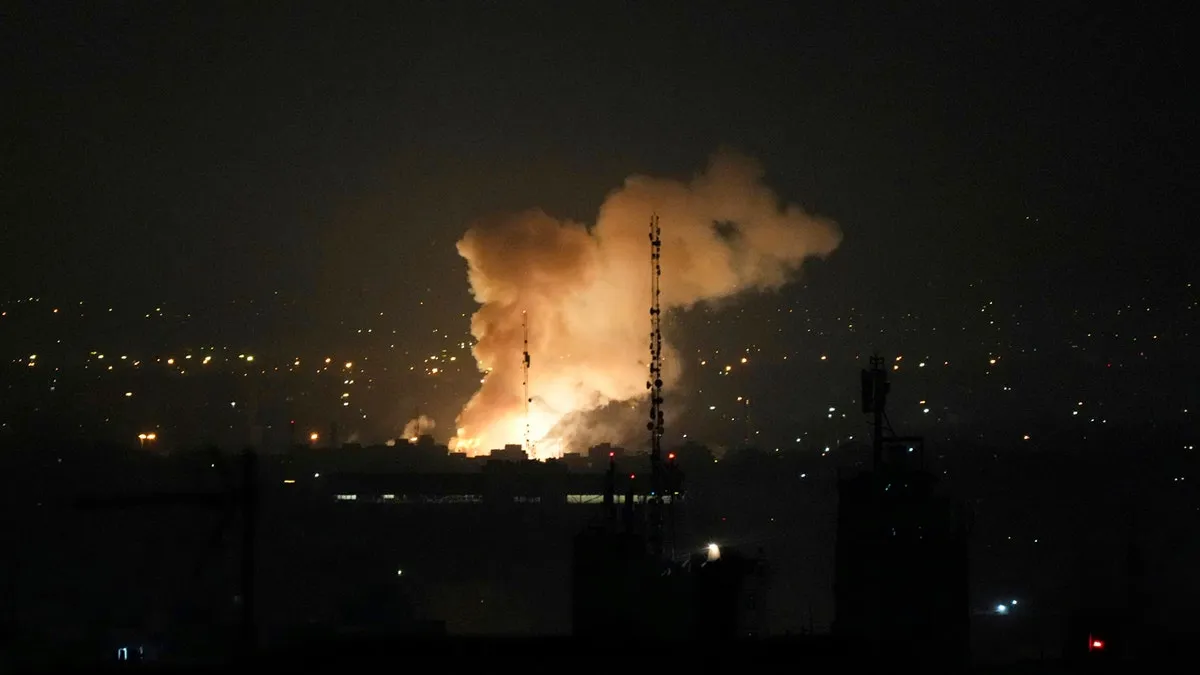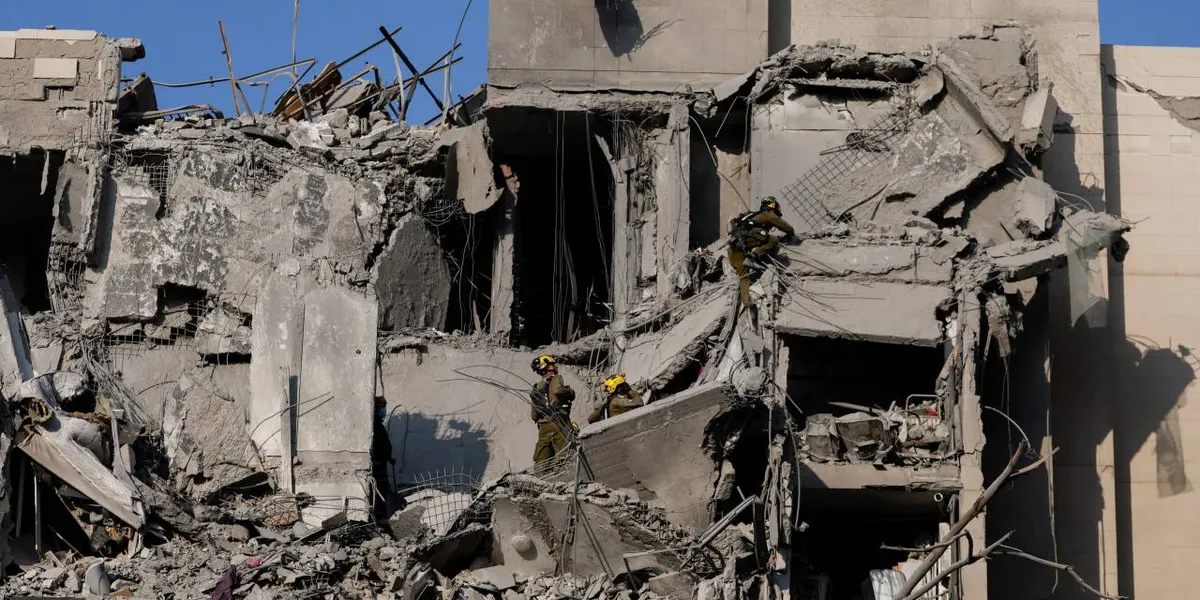
The UAE faces a renewed wave of Iranian missile and drone attacks, marking a significant escalation in regional tensions. On May 4, 2026, the UAE was targeted by 15 missiles, all intercepted by air defenses.
At least three people sustained injuries during these strikes. A drone attack on the same day ignited a fire at the crucial Fujairah oil facility—an energy hub managing about 1.7 million barrels per day.
As of May 5, reports indicate that new missile and drone attacks have continued. The UAE’s Defense Ministry confirmed that air defenses were actively engaging incoming projectiles.
This recent surge in violence occurs against the backdrop of heightened tensions between Iran and the US. Just weeks prior, the US imposed a naval blockade on Iranian ports, which began on April 13, 2026. This blockade followed a ceasefire that took effect on April 8, aiming to reduce hostilities.
The situation is further complicated by Iran’s recent actions in the Strait of Hormuz, where it has effectively asserted control by targeting vessels crossing without permission. The US Central Command has also reported that Iran launched cruise missiles at US naval assets and commercial ships.
During the five weeks leading up to the ceasefire, the UAE endured a staggering 2,800 missiles and drones directed at its territory. This relentless barrage raises questions about the effectiveness of current defense strategies.
Observers are left to ponder what these developments mean for US-Iran relations moving forward. The results of the latest attacks were not immediately clear—officials have yet to release comprehensive assessments.