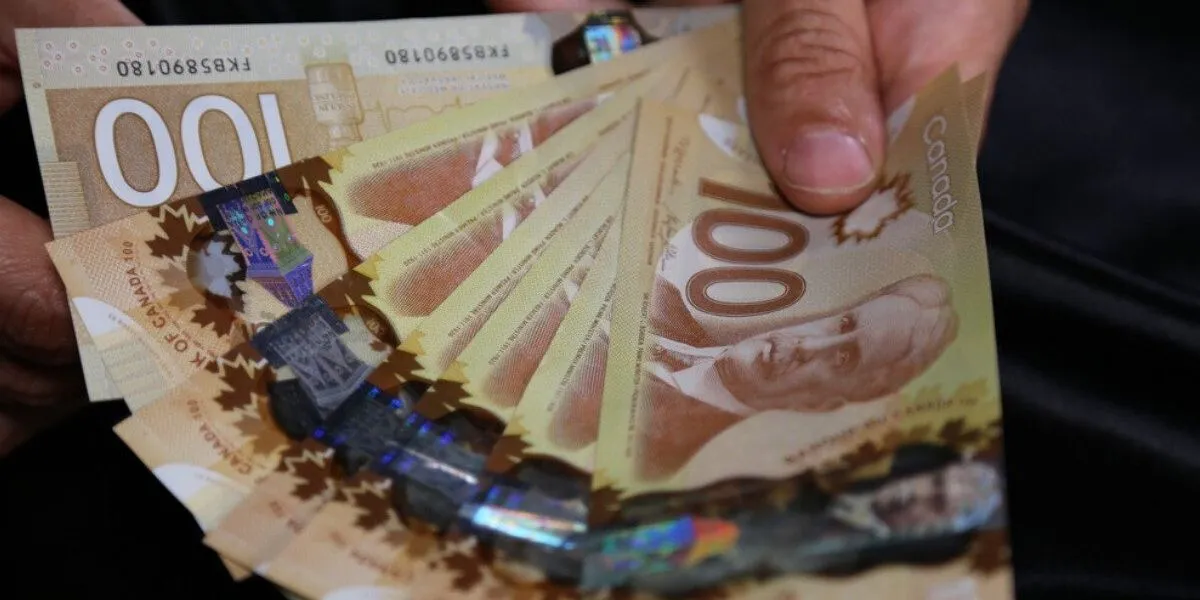
The absence of an inheritance tax in Canada, unlike its G7 counterparts, raises significant questions about wealth distribution and economic equity. As the Baby Boomer generation prepares to transfer an estimated $1 trillion to their children, the implications of this unchecked wealth transfer become increasingly critical. The debate over whether to implement an inheritance tax is not just about revenue; it touches on the very fabric of economic fairness in a society where the effective tax rate on income from labor is higher than that on income from wealth.
Opponents of inheritance taxes often frame them as radical interventions that could destabilize the economy. This perspective, however, overlooks the reality that an inheritance is considered unearned income, received without labor. In a country where the number of one-person households has more than doubled to 4.4 million from 1981 to 2021, the economic landscape is shifting. Approximately 15 percent of Canadians aged 15 and over live alone, and many single earners face higher living expenses due to the inability to share costs with a partner. This demographic shift raises further questions about the fairness of current tax structures.
As wealth accumulates unchecked, the call for reform grows louder. A member of the Resource Movement succinctly stated, “Tax my inheritance,” highlighting a growing sentiment among Canadians who see the need for a more equitable tax system. The current system allows for dynastic wealth to perpetuate, creating a divide between those who inherit wealth and those who earn it through labor. This disparity is particularly pronounced in a society that prides itself on meritocracy.
Reaction from the field
Experts and advocates are increasingly vocal about the need for change. Renée Sylvestre-Williams pointed out that “the singles tax is the invisible and visible difference in costs that single people pay compared to couples.” This observation underscores the economic pressures faced by single individuals, who may not benefit from the same financial advantages as those in dual-income households. The growing number of single-person households adds a layer of complexity to the discussion on tax policy and inheritance.
Jackie Porter, another advocate, remarked, “We’re our backup plan,” emphasizing the reliance of single individuals on their own financial resources. As the Baby Boomer wealth transfer looms, the implications for single earners and those without inherited wealth become more pronounced. The absence of an inheritance tax could exacerbate existing inequalities, leaving those who rely solely on their labor at a disadvantage.
As the conversation around income tax and inheritance continues to evolve, the potential for reform remains uncertain. Advocates for an inheritance tax argue that it could provide a more equitable framework for wealth distribution, while opponents fear the economic consequences of such a policy. Details remain unconfirmed as policymakers grapple with the complexities of tax reform in a changing demographic landscape.
Ultimately, the debate over income tax and inheritance in Canada reflects broader societal values and priorities. As the nation considers its approach to wealth transfer, the stakes are high, and the implications will resonate for generations to come. The question remains: will Canada take steps to align its tax policies with the realities of its evolving society, or will it continue to allow wealth to accumulate unchecked?