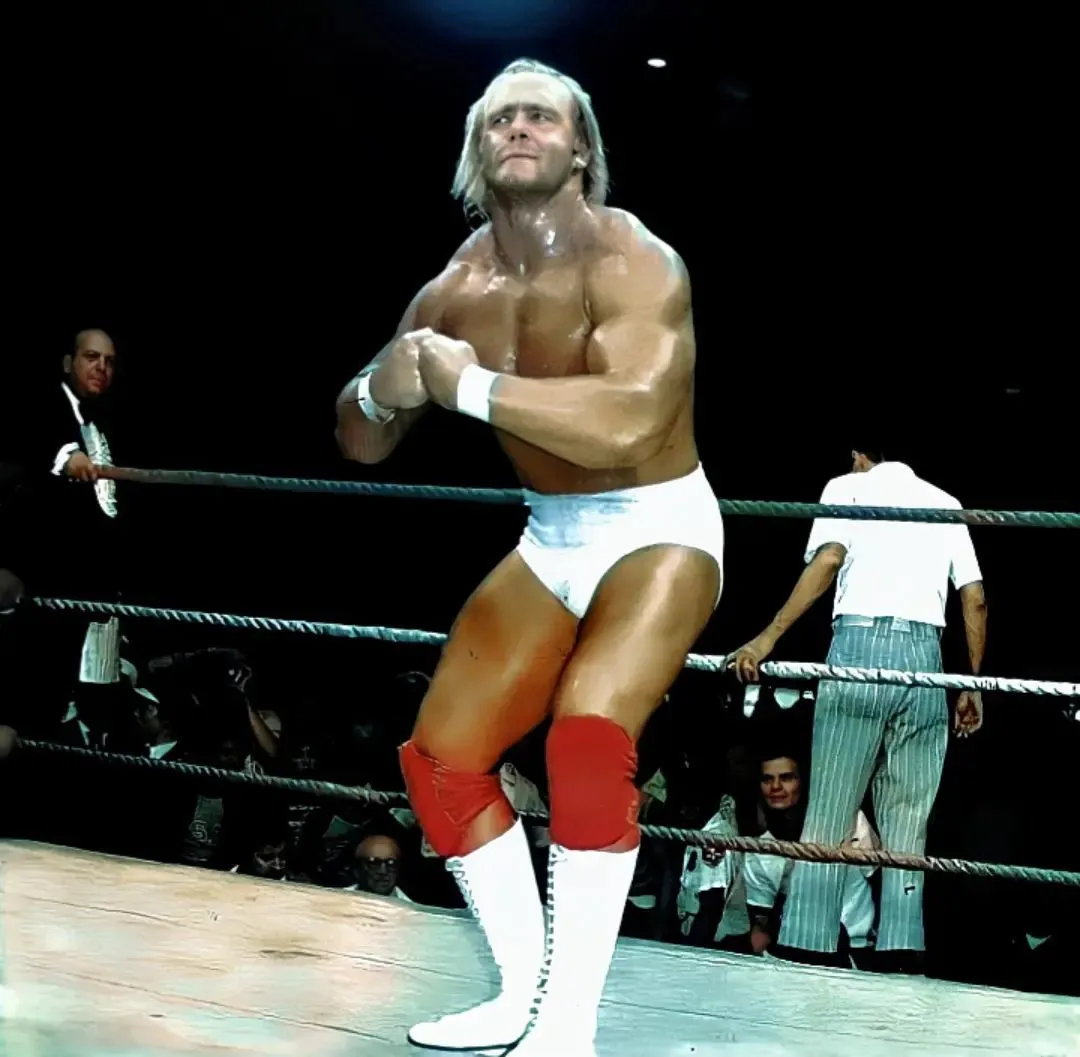
Before July 24, 2025, Hulk Hogan—born Terry Gene Bollea—was a towering figure in professional wrestling. He transcended the sport, becoming a global icon. Fans revered him for his charisma and larger-than-life persona. However, beneath the glitz lay a complicated reality marked by personal struggles and public controversies.
On that fateful day in Clearwater, Florida, Hulk Hogan passed away at the age of 71 from a heart attack. This was not just another celebrity death; it marked the end of an era. The news sent shockwaves through the wrestling community and beyond. Many had witnessed his rise to fame, but few understood the depths of his challenges—both physical and emotional.
In his later years, Hogan faced numerous health issues. Diagnosed with atrial fibrillation and chronic lymphocytic leukemia, he battled serious medical complications. His son Nick Hogan disclosed that his father struggled significantly following neck surgery—details that paint a somber picture of a man once celebrated for his strength.
The controversies surrounding Hogan were as notorious as his wrestling career. He admitted to using steroids after years of denial—an admission that tarnished his legacy. Additionally, he faced backlash for using racist language, which he later regretted publicly. Yet, despite these missteps, he remained a figure of fascination.
Hogan’s legal battles also contributed to his complex narrative. He famously won a lawsuit against Gawker over a sex tape, initially awarded $140 million—a staggering sum that highlighted both his celebrity status and the invasive nature of media scrutiny. However, this was later settled for $31 million, revealing the unpredictable nature of fame.
As if this weren’t enough to contend with, Hogan’s personal life unraveled following his divorce from Linda Hogan in 2007. Financially wiped out by the split, he turned to excessive use of fentanyl—reportedly consuming up to 1,500 milligrams through various forms daily. Pharmacy staff reportedly expressed disbelief at his consumption levels: “You should be dead.” Such statements reflect not just on him but on the broader issues surrounding addiction and celebrity culture.
Still, amidst these struggles, Hogan maintained connections with influential figures. His endorsement of Donald Trump at the Republican National Convention after an assassination attempt in 2024 drew attention—not just for its political implications but for how it illustrated Hogan’s continued relevance in popular culture.
The docuseries “Hulk Hogan: Real American” set to premiere on Netflix in April 2026 is poised to further explore this multifaceted individual—a man who was both beloved and reviled. As we reflect on Hulk Hogan’s legacy, it becomes clear that he was not merely a wrestling superstar; he was a complicated human being navigating fame’s treacherous waters.