What the data shows
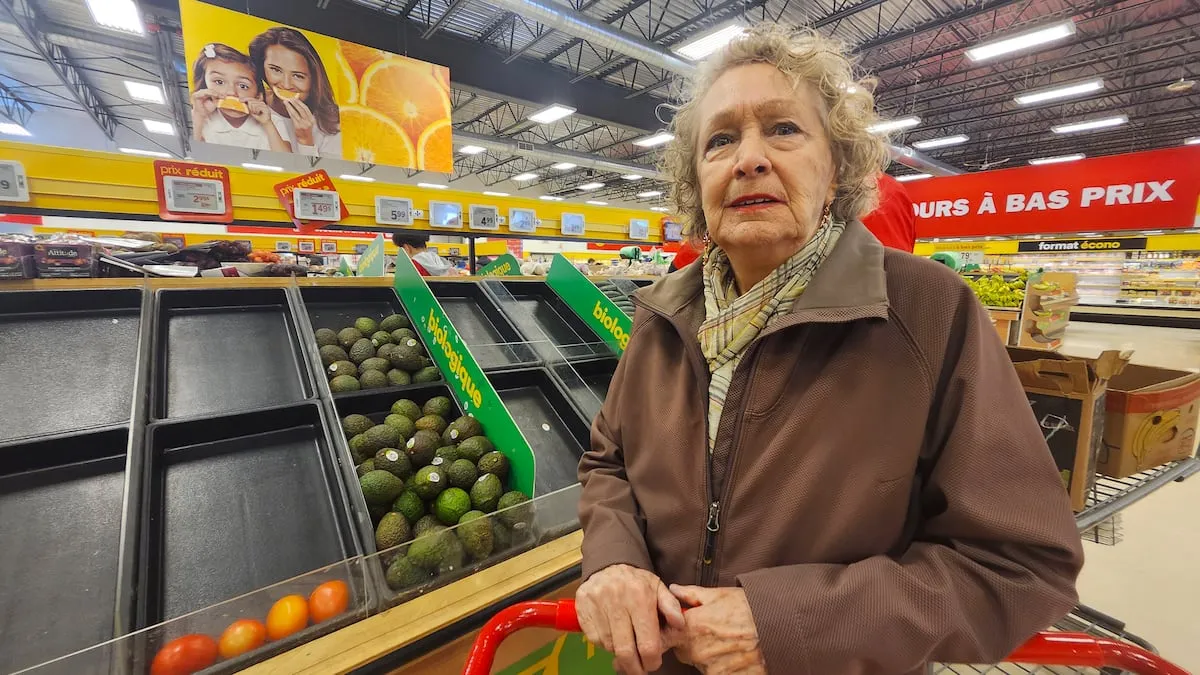
The recent strike at Metro’s distribution center in Laval, Quebec, has raised critical questions about labor rights and corporate accountability in the food supply chain. With 550 workers walking off the job on March 30, 2026, the immediate impact has been felt in the form of significant shortages of fruits and vegetables at Super C stores, a chain owned by Metro. This situation prompts an examination of the underlying factors that led to this labor action and its broader implications for consumers and the industry.
Workers at the Metro distribution center rejected a salary increase offer of 11% over six years, which translates to a mere 1% annual raise for the lowest-paid employees. This rejection highlights the growing discontent among workers who feel that their compensation does not reflect the rising cost of living and the company’s profitability. In stark contrast, Metro’s profits surged by 39% over the past six years, while employee salaries only saw an 11% increase during the same period.
Inflation and subcontracting issues have emerged as key concerns for the striking workers. Matthieu Lafontaine, a representative of the workers, stated, “Les gens sont en colère,” emphasizing the frustration among employees who feel undervalued. The last collective agreement for these workers expired on September 19, 2025, and the ongoing negotiations have not yielded satisfactory results, prompting the strike.
Metro’s CEO, Eric La Flèche, received a substantial salary increase to $6.8 million in 2025, further fueling the workers’ anger. Bertrand Guibord, another worker, expressed the sentiment that being offered between 1% and 2% per year is “insulting,” reflecting a broader dissatisfaction with how labor is compensated in light of corporate gains. The disparity between executive pay and worker compensation raises ethical questions about the distribution of wealth within the company.
As the strike continues, Metro has acknowledged the supply shortages, with a spokesperson stating, “En raison de circonstances hors de notre contrôle, il est possible que certains produits ne soient pas disponibles en ce moment.” This admission underscores the direct impact of labor disputes on consumer access to essential goods, particularly fresh produce.
The situation is further complicated by the historical context of labor relations in the region. The last collective agreement was negotiated before the pandemic, a time when many industries were facing unprecedented challenges. The current strike reflects a growing trend among workers demanding better pay and working conditions, particularly in sectors that have seen significant profit increases during the pandemic.
Looking ahead, the outcome of this strike remains uncertain. Will Metro be able to resolve the labor dispute and restore supply chains, or will the strike continue to disrupt the availability of fruits and vegetables? Details remain unconfirmed, but the situation serves as a reminder of the ongoing struggle for fair labor practices in an increasingly profit-driven economy.
As consumers, the implications of this strike extend beyond immediate shortages. It raises important questions about the sustainability of our food systems and the treatment of workers who play a crucial role in bringing products to market. The ongoing developments in this labor dispute will be closely watched, as they may set a precedent for future negotiations in the industry.