What observers say
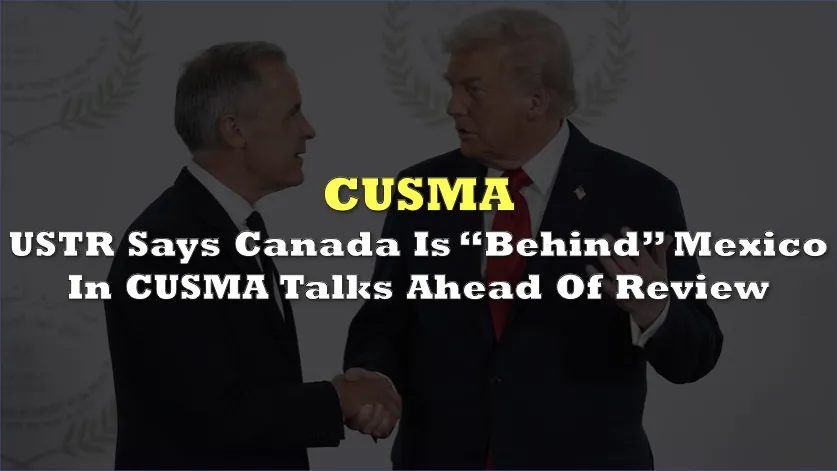
“We’re having talks separately with Canada, but we’ve moved along with Mexico. Canada is behind on this with Mexico,” stated Jamieson Greer, a key figure in the ongoing discussions surrounding the Canada-United States-Mexico Agreement (CUSMA). This stark observation underscores the current dynamics in trade negotiations as the U.S. seeks to solidify its economic relationships with both neighboring countries.
Greer’s comments come amidst a backdrop of formal bilateral discussions that were launched between the U.S. and Mexico on March 5, aimed at preparing for a scheduled joint review of CUSMA. This agreement, which runs through 2036, necessitates that the involved parties address its future, a task that has proven more straightforward for Mexico than for Canada.
In recent meetings, Greer met with Canada-U.S. Trade Minister Dominic LeBlanc, who expressed optimism regarding the renewal of CUSMA. LeBlanc noted that he was “not pessimistic” about the prospects for renewal and anticipated targeted changes rather than a comprehensive renegotiation. However, the contrasting pace of negotiations raises questions about Canada’s readiness to adapt to U.S. demands.
One of the critical areas of focus in these discussions is the tightening of rules of origin between the United States and Mexico. Greer has framed this tightening as a necessary measure to prevent Mexico from becoming a transshipment hub for goods originating in other markets. This concern reflects broader anxieties within the U.S. administration about maintaining the integrity of American manufacturing and trade.
Despite the CUSMA framework, Canada continues to face significant challenges, including U.S. tariffs on steel, aluminum, autos, lumber, and cabinets. These tariffs persist even though Canada is exempt from certain CUSMA provisions, indicating a complicated and often contentious trade relationship. Greer has pointed out that domestic measures in Canada act as impediments to bilateral talks, complicating the negotiation landscape further.
The Trump administration’s previous investigations into Canada under Section 301 of the Trade Act of 1974 have also cast a long shadow over current discussions. These investigations were aimed at addressing perceived unfair trade practices, and their legacy continues to influence the tenor of negotiations today.
As the CUSMA review progresses, the urgency for both nations to reach an agreement becomes increasingly apparent. If the countries do not agree to extend CUSMA, they will enter annual reviews, with any member able to exit the agreement with six months’ notice. This potential for instability adds pressure on negotiators to find common ground.
Looking ahead, the next steps in the CUSMA review process will be closely watched by trade analysts and policymakers alike. The outcome of these negotiations will not only affect the economic landscape of North America but will also set the tone for future trade relations in an increasingly complex global market.