The wider picture
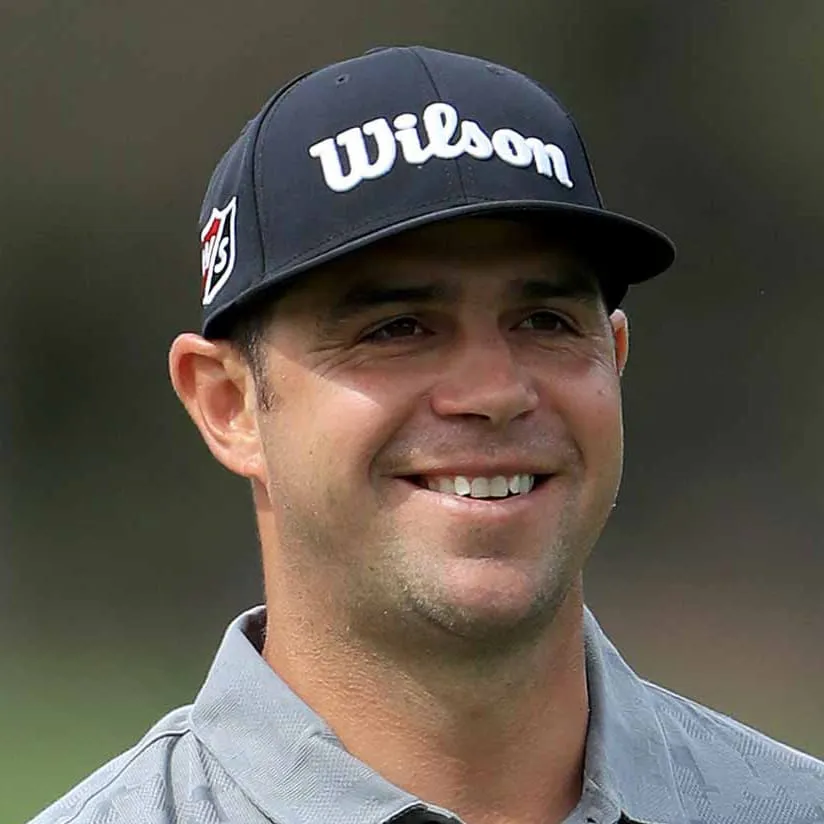
In a remarkable turn of events, professional golfer Gary Woodland has opened up about his struggles with post-traumatic stress disorder (PTSD) following a brain procedure to remove a tumor in September 2023. This revelation has not only shed light on his personal challenges but has also coincided with a notable improvement in his performance on the PGA Tour. Woodland’s journey is a testament to resilience, as he navigates both the physical and mental hurdles that come with such a diagnosis.
At the recent Texas Children’s Houston Open, Woodland made headlines by posting an impressive opening score of 64. This performance comes after a rocky start to the 2026 season, where he missed four of his first six cuts. His T14 finish at the Valspar Championship marked a significant turnaround, suggesting that his mental health journey is closely intertwined with his athletic performance. “I literally feel like I got a thousand pounds off my back that day,” Woodland expressed, reflecting on the relief that came with sharing his story.
Woodland’s cleats at the Houston Open featured the word “courage,” designed to raise awareness for pediatric care, further emphasizing his commitment to using his platform for good. This initiative aligns with his personal experiences, as he stated, “I want to live my dreams and I want to be successful out here, but I want to help people, too, but I realize now I got to help myself first.” His words resonate deeply, highlighting the importance of self-care in the face of adversity.
The support from the golf community has been overwhelming, with many rallying around Woodland during his recovery. His coach, Randy Smith, has played a pivotal role in helping him adjust his swing, contributing to his recent successes on the course. As of 2026, Woodland leads the PGA Tour in driving distance, a testament to his physical prowess despite the mental challenges he faces.
Woodland’s candidness about his PTSD diagnosis has sparked conversations about mental health in sports, an area that has often been stigmatized. By sharing his struggles, he not only normalizes the conversation around mental health but also encourages others to seek help when needed. This shift in narrative is crucial, especially in a high-pressure environment like professional sports.
Looking ahead, observers are keen to see how Woodland’s journey unfolds. His ability to balance personal challenges with professional aspirations will likely serve as an inspiration to many. As he continues to advocate for mental health awareness, Woodland’s story may pave the way for more athletes to speak openly about their struggles.
In summary, Gary Woodland’s experience with PTSD and his subsequent performance at the Texas Children’s Houston Open illustrate a powerful narrative of resilience and courage. His journey is not just about golf; it’s about the broader implications of mental health awareness in sports and the importance of supporting one another through difficult times.